


Hallway Ceiling Light Brass
A hallway ceiling light brass piece sets the tone for an entrance, combining metalwork and glass to illuminate passages with period character.
Hallway Ceiling Light Brass
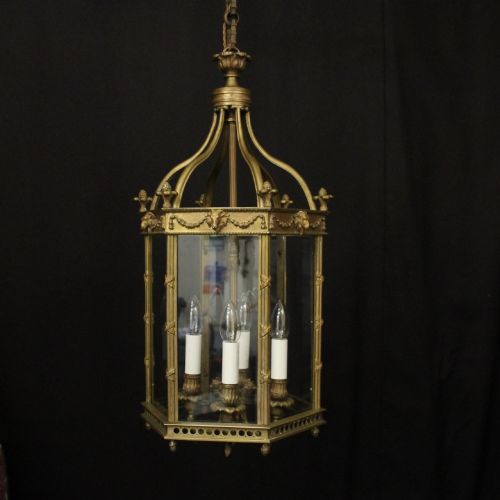
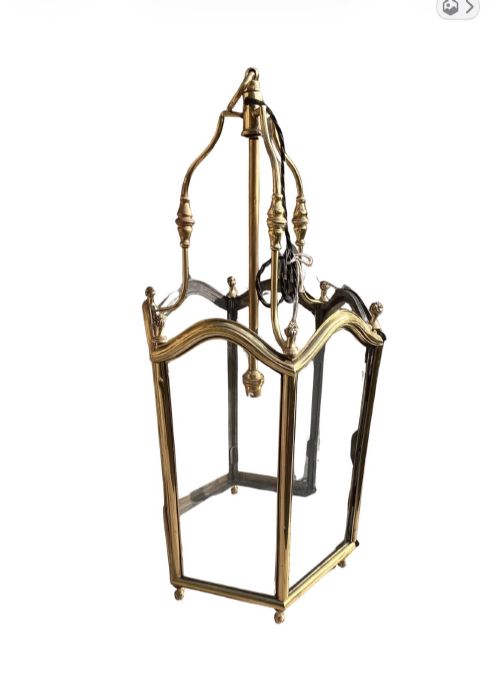
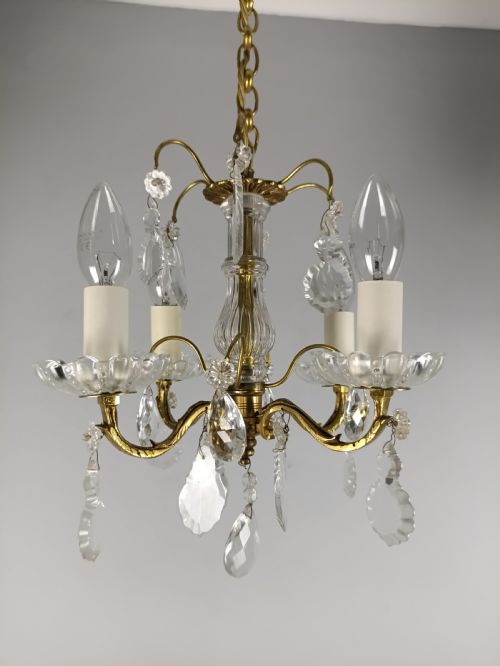
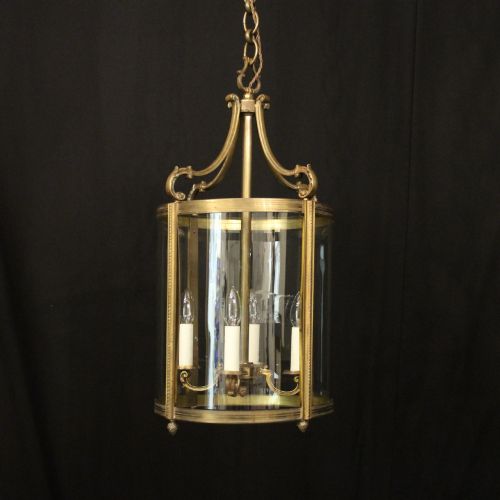
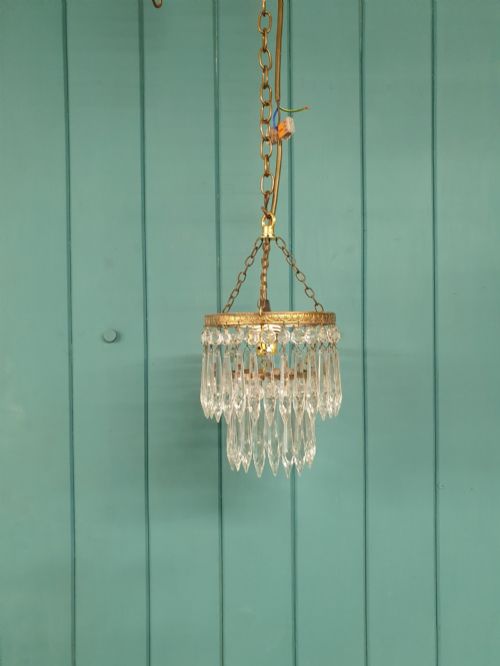
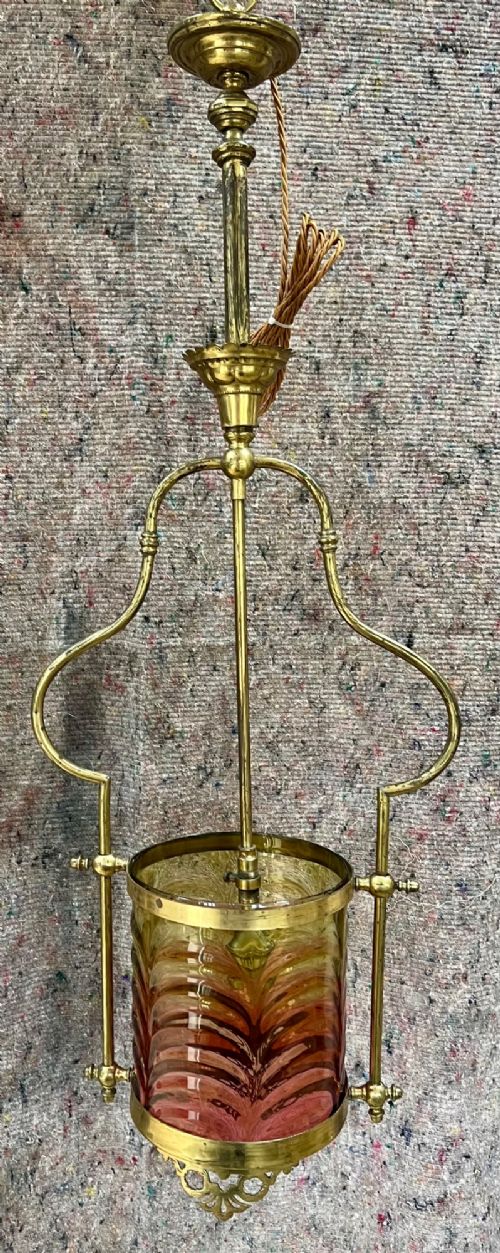
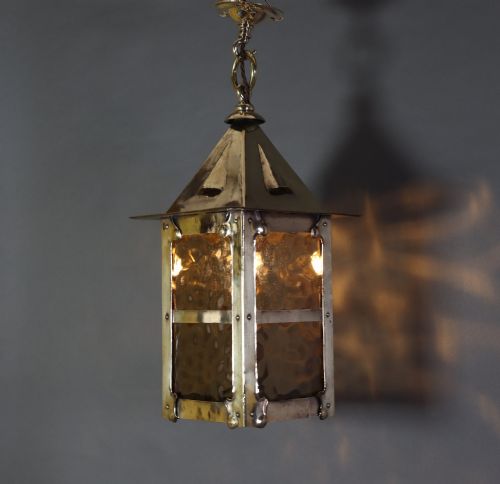
A hallway ceiling light brass search brings together hanging lanterns, pendant lights, and small chandeliers designed specifically for entrance spaces and corridors. These fixtures originate from various periods including the Victorian era, the Edwardian years, and the 1920s and 1930s.
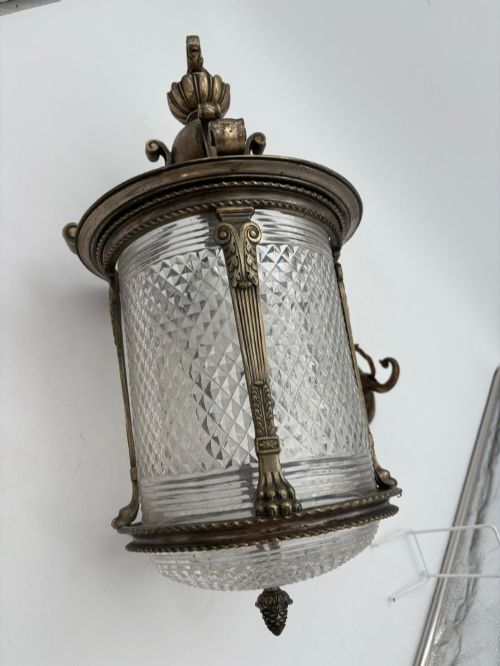
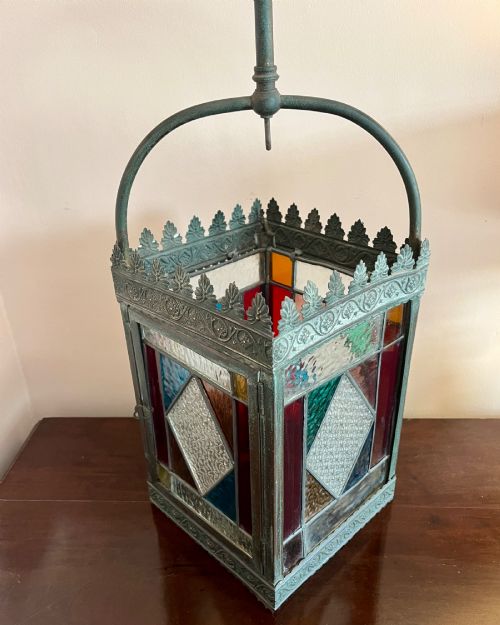
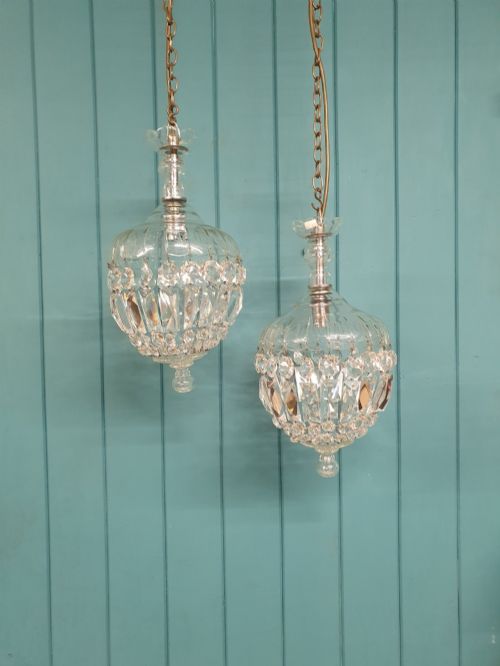
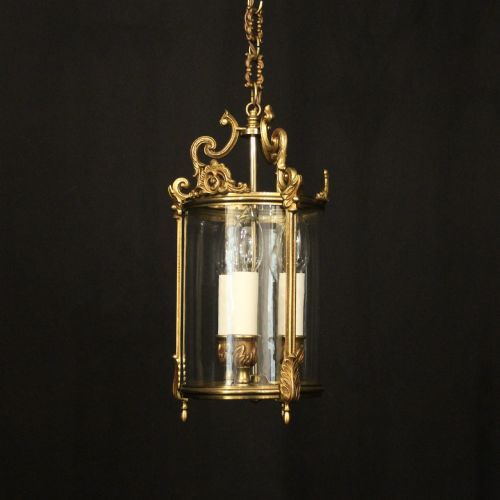
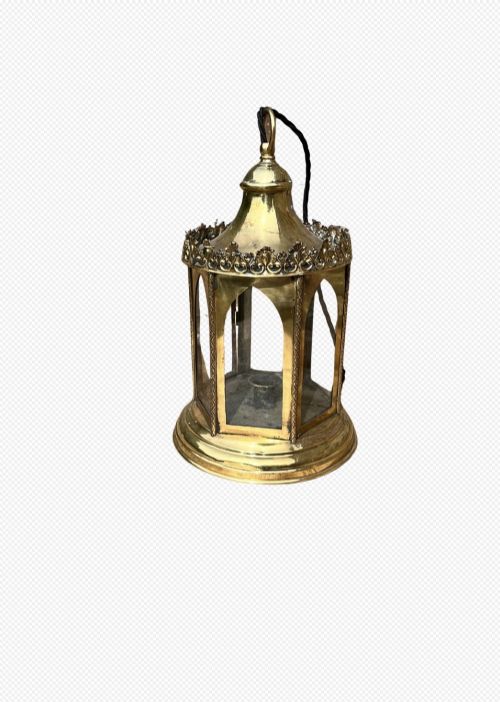
The most common formats met on this page are brass-framed hanging lanterns and glass pendant lights. They draw upon styles ranging from Arts and Crafts and Art Deco to French Rococo and Gothic Revival.
Makers and designers of these items utilised structural metal frames to enclose glass panels, cut glass crystals, or opaline shades. This variety ensures that a hallway ceiling light brass selection suits narrow Victorian corridors as well as larger entrance halls.
Materials and construction methods
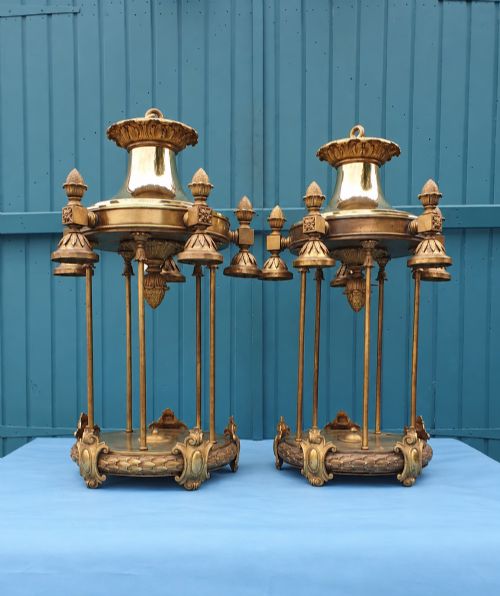
Makers constructed these fixtures primarily using brass, bronze, and gilt metal combined with various forms of glass. Frames were cast, forged, or soldered to hold leaded glass panels, cut glass crystals, or moulded opaline shades securely in place.
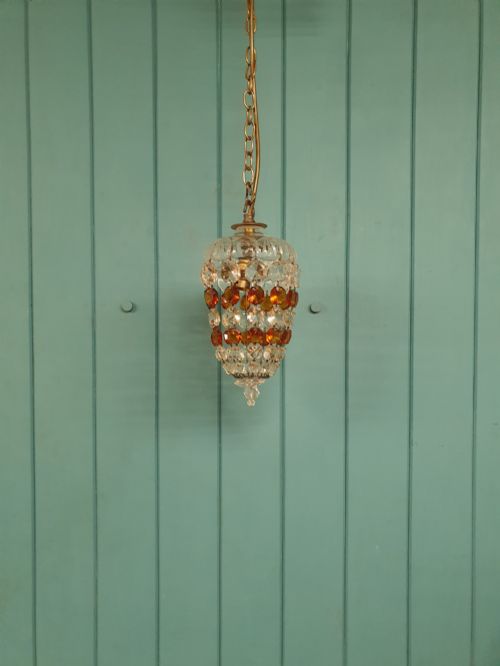
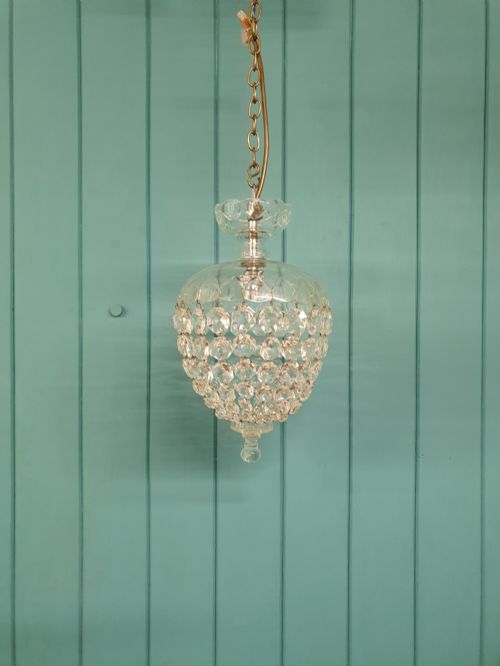
Techniques varied from the straightforward geometric metalwork seen in Arts and Crafts pieces to the intricate cast ornamentation of French Louis XVI style and Gothic Revival lanterns. Glass components were frequently hand-cut, leaded, or moulded into specific shapes like domes and acorns.
Hallway Ceiling Light Brass Retail Price Guide 2026
Typical asking prices for hallway ceiling light brass among the pieces listed under this phrase on Sellingantiques today, from the lower quarter to the upper quarter. They describe what is for sale here now, not the wider market.
Some Edwardian brass lanterns are small enough to sit in the palm of a hand, yet still house intricate cut glass crystal spikes inside.
Distinctions in construction and material standard
The distinction between tiers of quality rests upon the weight of the metal framework and the clarity of the glass. Heavier cast brass or bronze frames with substantial gauge provide structural integrity that lighter pressed metal cannot match.
Hand-cut crystal prisms, heavy leaded glass panels, and detailed chased decoration elevate a piece above standard utilitarian production. The precision of the joinery and the integration of original suspension hardware also determine the standing of each fixture.
Voysey
The Hallway Ceiling Light Brass Glossary
- Plafonnier
- A ceiling-mounted light fixture that sits relatively flat against the ceiling rather than hanging on a long suspension chain. These often feature glass domes or bowls held by brass mounts.
- Bag chandelier
- A light fixture featuring a rounded or pear-shaped bag of cut glass beads enclosing the internal lamp holders. They project light through a dense net of crystal elements.
- Opaline
- A type of semi-translucent glass that diffuses light evenly across its surface. It appears frequently in pendant lights from the twentieth century.
- Hall lantern
- A vertical hanging fixture enclosed by glass panels within a metal frame. They were traditionally positioned in entrance halls to protect the flame from drafts.
Hallway Ceiling Light Brass: Frequently Asked Questions
How do I choose the right size for my hallway?
Consider both the ceiling height and the floor area of the passage. Compact spaces benefit from flush or semi-flush dome lights, whereas taller ceilings accommodate hanging lanterns.
Proportion matters more than output, as a large lantern overwhelms a narrow corridor while a tiny pendant gets lost in a grand entrance.
Can these antique lights take modern bulbs?
Most antique fixtures can accommodate modern LED lamps provided the original lampholders are safely wired or updated by a professional. The physical dimensions of the shade or lantern interior dictate the maximum bulb size.
Check the internal clearance before purchasing to ensure modern fittings fit within glass panels or enclosed frames.
Were these lights originally meant for hallways?
Many fixtures designed as hall lanterns or porch lanterns served narrow transitional spaces where people moved between rooms. Their enclosed glass designs protected candles or early electric bulbs from drafts.
Similar forms also appeared in kitchens, stairwells, and vestibules depending on the layout of the property.