

Hallway Accent Seat
These hallway accent seat options, mostly tall timber hall chairs and occasional benches from the nineteenth century, offer a striking focal point for narrow spaces.
Hallway Accent Seat
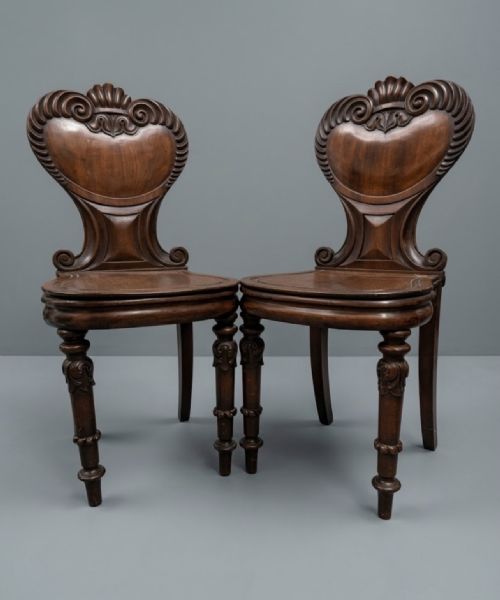
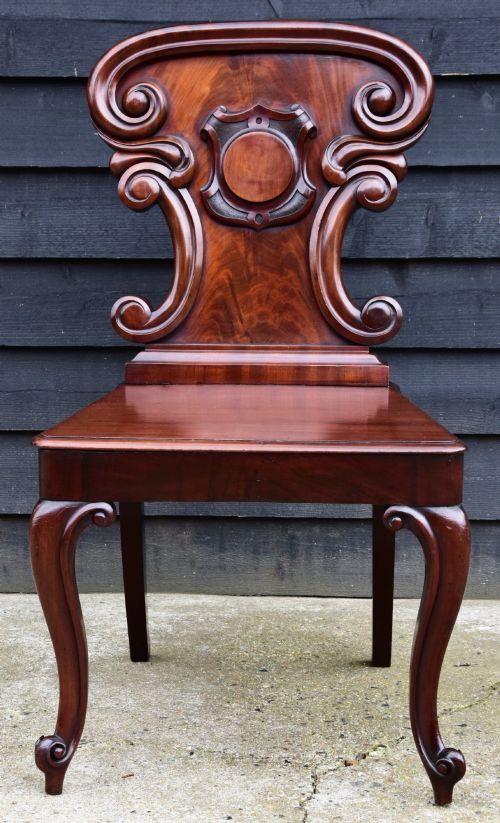
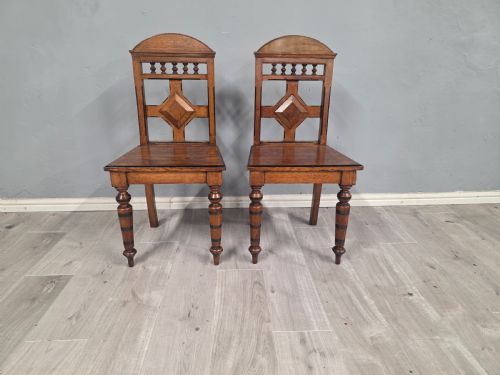
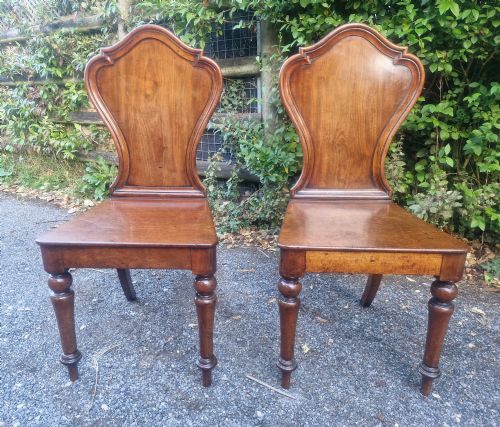
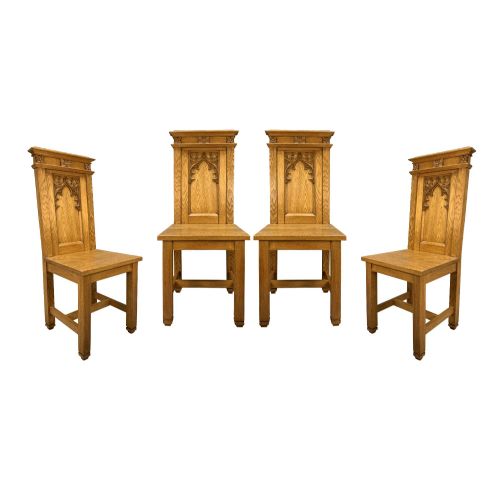
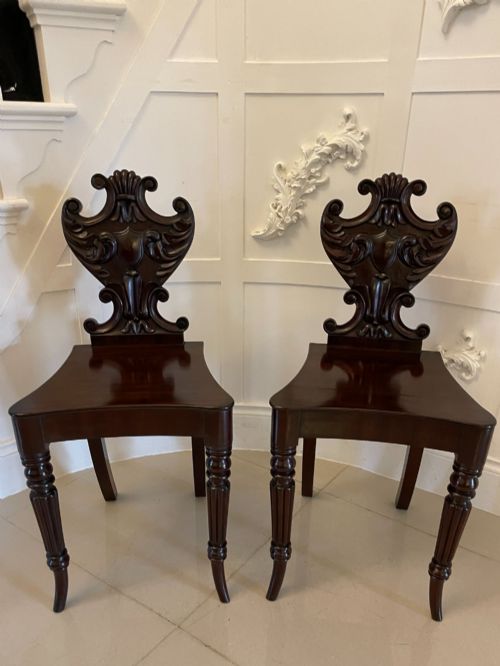
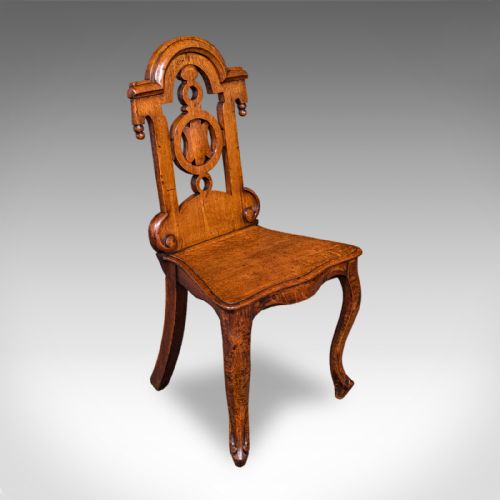
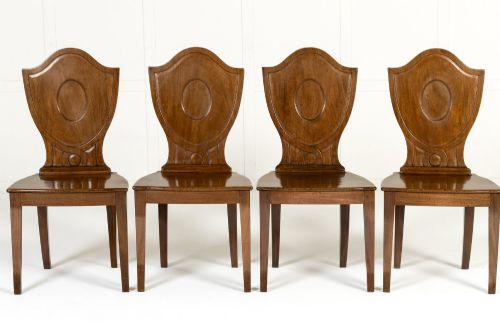
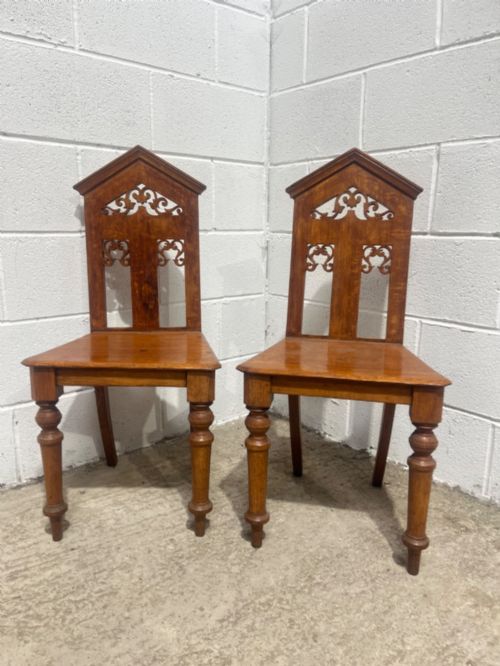
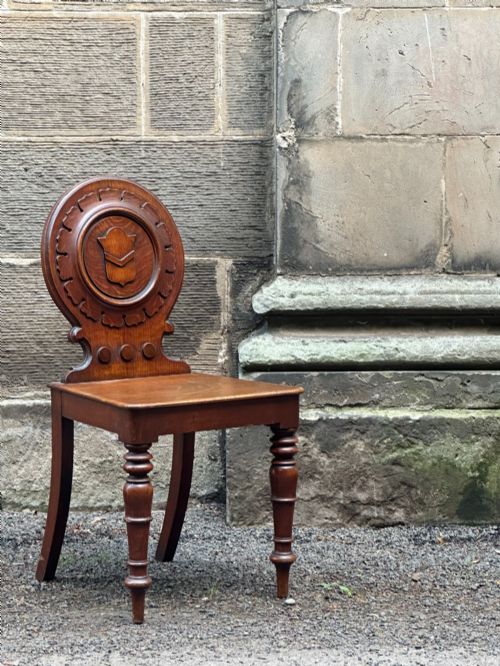
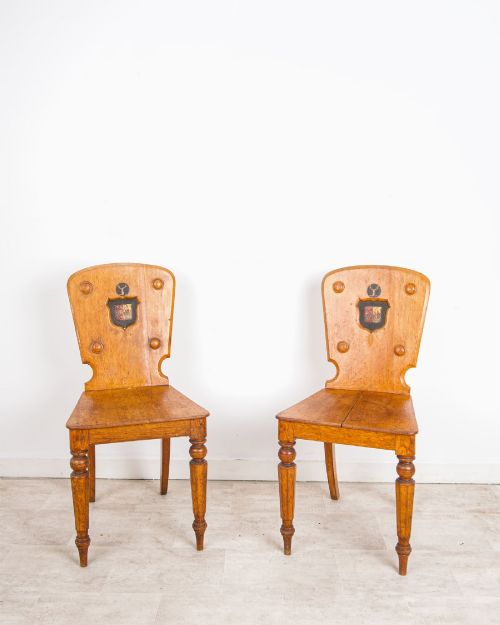
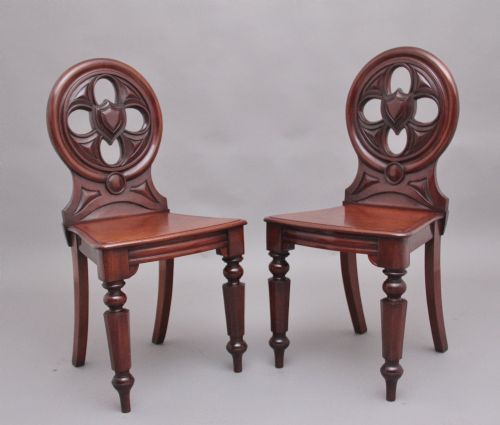
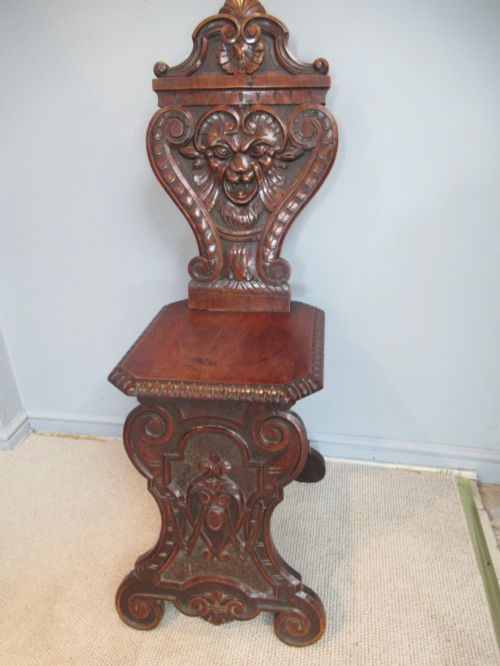
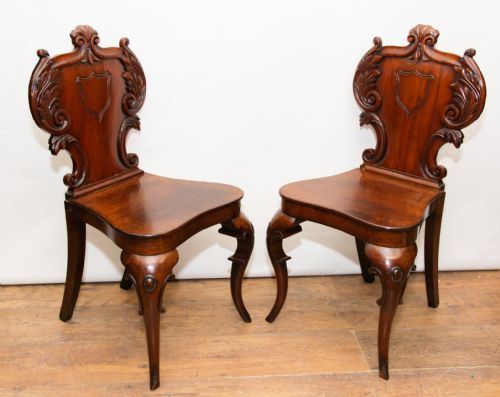
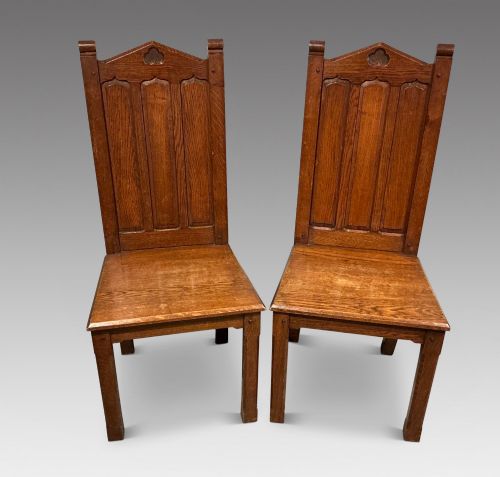
The dominant forms on this page include mahogany and oak hall chairs, often featuring carved shield backs or shell motifs, alongside occasional side chairs and benches. These pieces originate from diverse regional workshops and embrace styles ranging from Regency and William IV to Gothic Revival and the Aesthetic Movement.
How they were made
Cabinetmakers constructed these seating pieces using solid hardwoods like English oak, mahogany, and walnut, frequently shaping timber by hand. Joinery relied on traditional methods to ensure structural integrity for items intended for formal entryways.
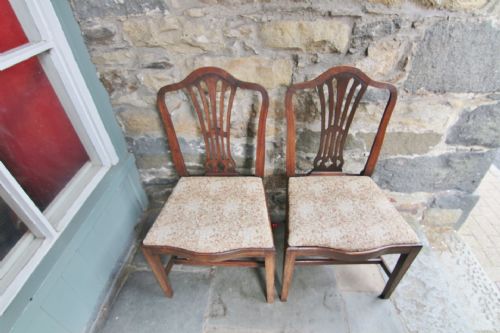
Surface ornamentation involved intricate hand-carving, such as heraldic shield backs and shell designs, sometimes paired with basic upholstery fabric or left as bare timber.
Hallway Accent Seat Retail Price Guide 2026
Typical asking prices for hallway accent seat among the pieces listed under this phrase on Sellingantiques today, from the lower quarter to the upper quarter. They describe what is for sale here now, not the wider market.
Heraldic shield backs allowed Victorian visitors to contemplate imaginary noble lineages while waiting in the draughty hallway.
What varies in quality
The distinction between ordinary and exceptional examples lies in the depth and crispness of the hand-carving on the timber backs and frames. Superior items display purposeful chisel work and balanced proportions that reflect the skill of the original workshop.
Material selection also dictates overall grade, with dense, well-figured mahogany or solid English oak standing apart from plain timber variants. Furthermore, matching sets demonstrate a higher level of initial commission than isolated single chairs.
Gillows·Holland & Sons
The Hallway Accent Seat Glossary
- Shield back
- A chair back shaped like a heraldic shield, commonly found on nineteenth-century hall seating. This form often incorporates carved crests or central roundels.
- Hall chair
- A rigid, upright wooden seat designed for an entrance hall rather than daily domestic comfort. These items usually feature solid timber seats and decorative carved backs.
- Gothic Revival
- An architectural and decorative style drawing inspiration from medieval design. Pieces in this category display pointed arches, trefoils, and heavy carved oak.
- Aesthetic Movement
- A late nineteenth-century design approach prioritising visual beauty over traditional narrative decoration. Furniture from this period utilises refined lines and stylistic carved details.
- Regency
- A British design period spanning the early nineteenth century characterised by classical restraint and neoclassical motifs. Items from this era often employ dark mahogany with subtle carved accents.
Hallway Accent Seat: Frequently Asked Questions
Where should I place a hall chair?
These seats suit narrow corridors, landings, and entrance spaces where depth is limited and visual impact matters.
Because they lack deep padding, they function best as sculptural accents rather than lounging furniture.
Are these chairs comfortable for sitting?
Hall chairs are built with upright wooden seats and rigid backs, designed for brief waits rather than extended relaxation.
Their primary historical role was architectural decoration in formal hallways rather than domestic lounging.
How do I identify a Victorian hall chair?
Victorian examples frequently utilise mahogany or oak, displaying dark patination and solid wooden construction.
Look for characteristic ornamentation such as carved shield backs, heraldic motifs, or Gothic revival details.
What woods were used for these seats?
Cabinetmakers predominantly relied on dense hardwoods including mahogany, English oak, and walnut.
These durable materials allowed artisans to execute deep hand-carving on the crest rails and solid timber seats.