




Hallmarked Sterling Silver Flask
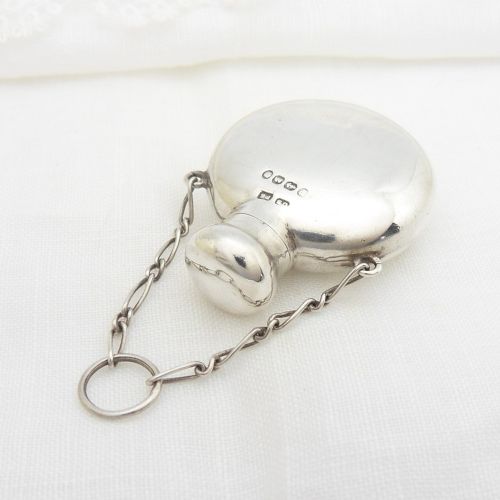
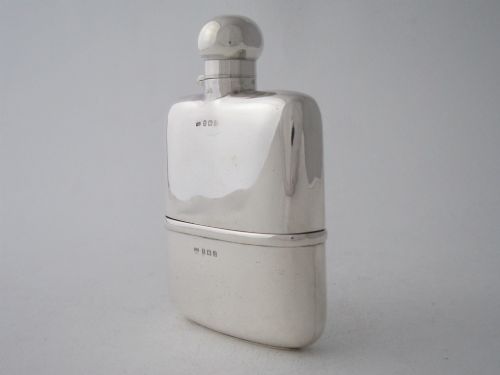
These pieces of hallmarked sterling silver flask encompass pocket companions and dressing table bottles forged across the Victorian, Edwardian, and Art Deco eras.
Hallmarked Sterling Silver Flask
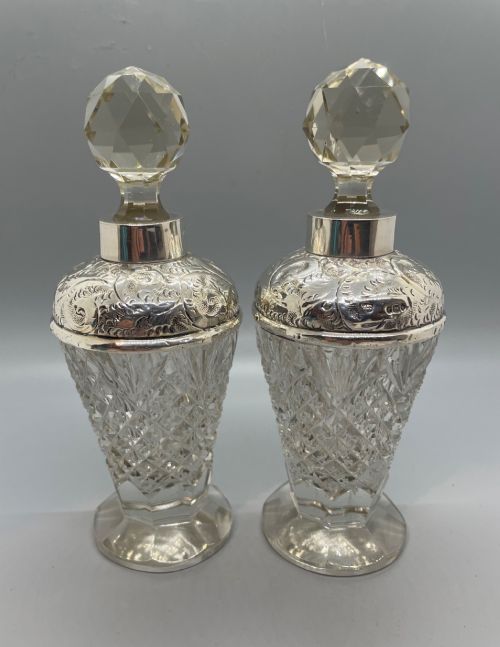
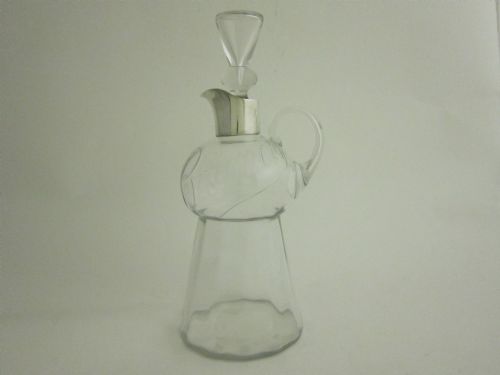
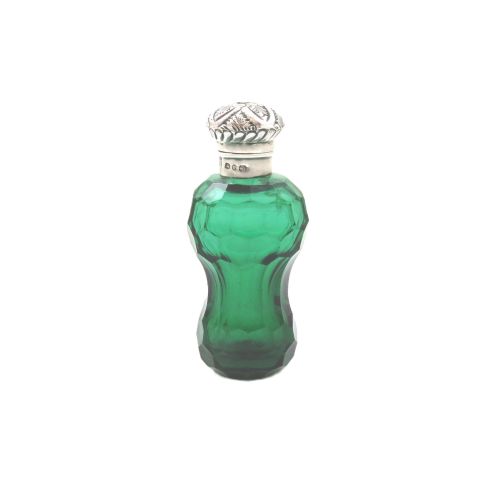
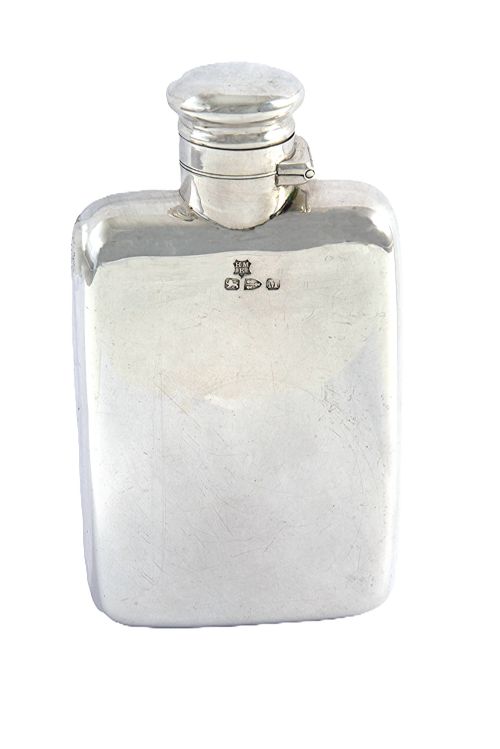
A hallmarked sterling silver flask comprises pocket vessels and tabletop containers designed for spirits, brandy, scent, and perfume. When searching this phrase, a buyer encounters forms ranging from curved hip flasks with removable cups to glass scent bottles mounted in silver.
The objects span from the Victorian period through the Edwardian years and into the 1930s and 1940s. Pocket versions often incorporate glass, cut glass, or crocodile leather, whilst dressing table forms utilise green glass and enamel alongside sterling silver mounts.
How They Were Made
Silversmiths constructed these vessels using solid sterling silver, frequently pairing the metal with blown or cut glass bodies. Many pocket versions feature outer sleeves or panels of crocodile leather wrapped around the central silver or glass core.
Makers applied gilding to the interior of silver gilt flasks and mounted hinged or screw caps with cork seals. Hallmarks stamped directly into the metal record the assay office, city, and year of manufacture.
Even the smallest miniature champagne bottle needed a proper silver top to keep things formal.
What Varies in Quality
The calibre of a piece depends on the weight and thickness of the sterling silver used in the body and the cap. Thicker gauge metal resists denting during use, whilst thinner silver yields under pressure.
Execution of detail defines the finer examples, from crisp hand-cut facets on glass bottles to tightly stitched crocodile leather and secure, well-fitted removable cups. Maker attribution also elevates certain items above anonymous production.
Horton & Allday·G H James & Co·Asprey·W A Ellwick Ltd·James Dixon & Sons·Mosley Flowers & Co·Charles Westwood & Sons
The Hallmarked Sterling Silver Flask Glossary
- Hallmark
- Official stamps applied to precious metals indicating purity, assay office, and date letter. These marks verify that the metal meets the legal standard for sterling silver.
- Removable cup
- A lower metal section that slides off the base of a hip flask to serve as a drinking vessel. This feature appears frequently on Victorian and Edwardian pocket flasks.
- Silver gilt
- Sterling silver that has been coated with a thin layer of gold on the interior surface. This technique prevents the stored spirit from reacting with the silver.
- Cut glass
- Glass decorated by grinding geometric patterns into the surface using wheels. It adds weight and sparkle to scent bottles and spirit decanters.
Hallmarked Sterling Silver Flask: Frequently Asked Questions
What is a hallmarked sterling silver flask?
It is a portable or tabletop container fashioned from sterling silver, designed to hold spirits, brandy, or perfume. These items include curved pocket hip flasks and glass scent bottles adorned with silver mounts.
Assay office stamps provide verifiable proof of the metal's purity and the year the piece was made, linking the object to British silversmiths.
How do I know the date of my flask?
The date is determined by reading the hallmarks stamped into the silver, which include a specific letter assigned to a precise year by an assay office.
Stylistic cues such as faceted cut glass, crocodile leather wraps, and geometric Art Deco engraving also indicate whether an item belongs to the Victorian, Edwardian, or later periods.
Were these flasks used for scent or alcohol?
Both functions exist within this category, as silversmiths produced containers for spirits alongside dressing table perfume and cologne bottles.
Pocket versions with removable cups were intended for liquor, whilst smaller bottles with glass stoppers served as scent flasks.
Why do some flasks have leather covers?
Crocodile leather or plain leather sleeves were wrapped around the metal or glass body to provide a secure grip and protect the surface during travel.
This combination of materials appears frequently on pocket flasks from the late Victorian and Edwardian eras.