



Hallmarked Silver Vessel
A hallmarked silver vessel gathers centuries of British silversmithing, offering functional tankards, bowls, and teapots for daily use.
Hallmarked Silver Vessel
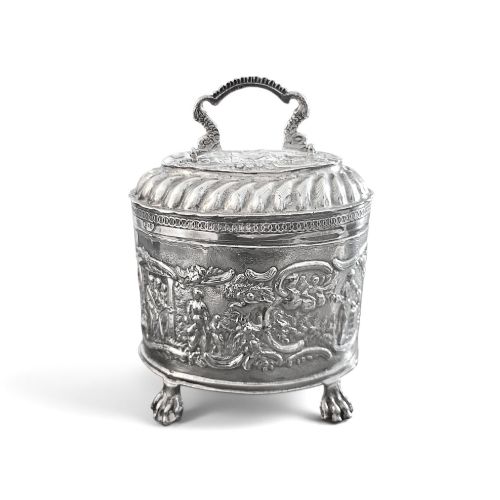
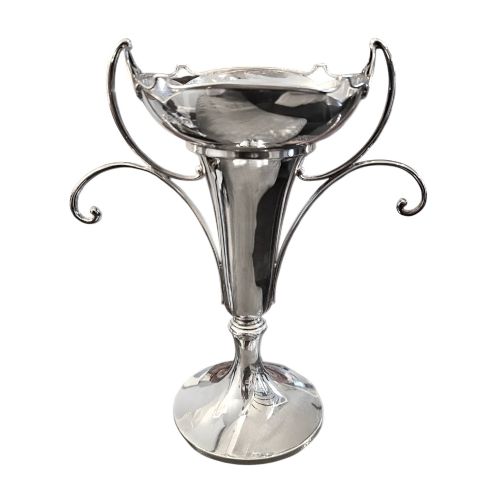
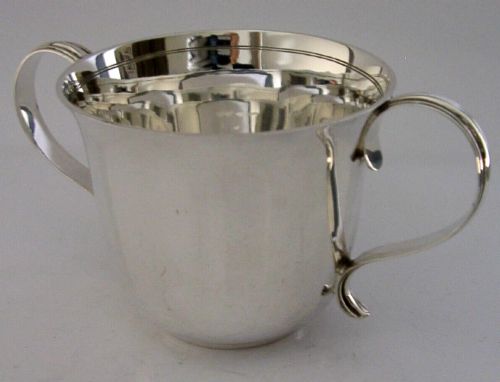
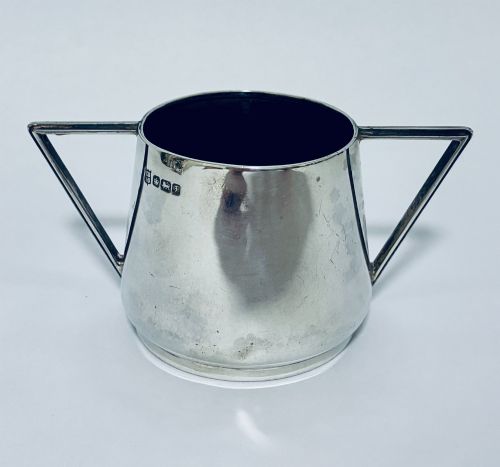
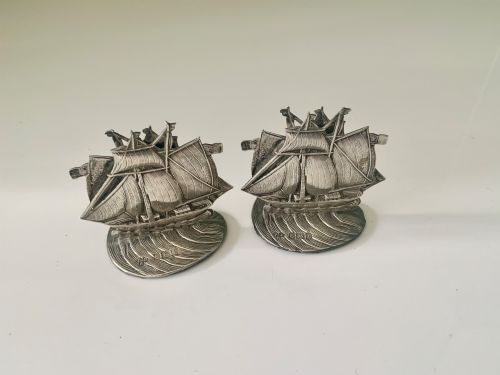
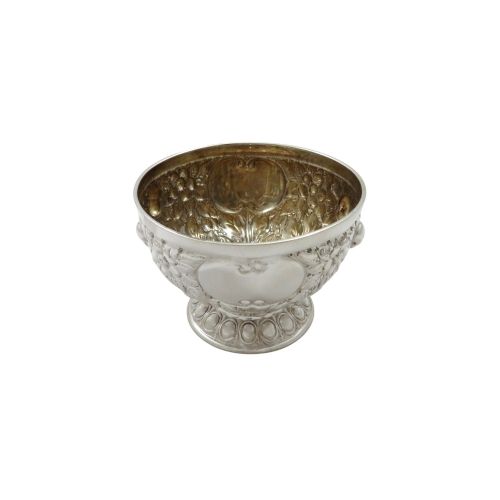
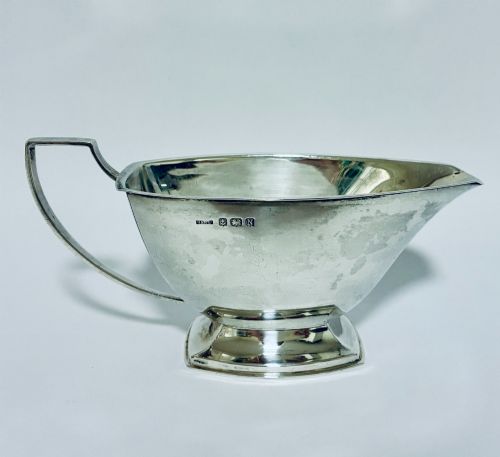
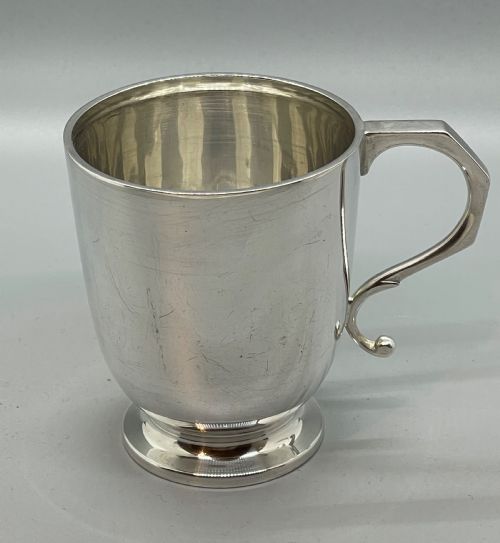
When you search for a hallmarked silver vessel, you examine a diverse range of functional hollowware spanning from the Georgian era through to the mid-twentieth century. The selection includes drinking mugs, christening tankards, mustard pots, sauce boats, and sugar bowls produced across various British assay offices.
You are most likely to encounter Edwardian and Victorian examples, alongside 1920s Art Deco pieces and eighteenth-century items. These objects served domestic, dining, and ceremonial purposes, shaped from sterling silver often combined with glass, wood, or enamel elements.
The assortment reflects shifting domestic habits, moving from Georgian teapots and heavy mugs to Edwardian baskets and twentieth-century condiment jars. Each object carries official hallmarks that record its assay town, standard, and date of manufacture.
Materials and methods of construction
The primary material is sterling silver, supported by Britannia standard silver in earlier pieces, frequently paired with cut glass, blue glass liners, or ceramic bodies such as Doulton Lambeth stoneware. Enamel and fabric wicks appear on specialised items like scent bottles, trinket boxes, and table lighters.
Silversmiths utilised techniques including raising, casting, piercing, and hammering to shape the metal into bowls, jugs, and vases. Handles, feet, and rims were soldered or riveted in place, while surface decoration relied on piercing, engraving, and applied borders rather than complex machinery.
Hallmarked Silver Vessel Retail Price Guide 2026
Typical asking prices for hallmarked silver vessel among the pieces listed under this phrase on Sellingantiques today, from the lower quarter to the upper quarter. They describe what is for sale here now, not the wider market.
Listings feature vessels spanning from the early eighteenth century through the Georgian, Victorian, and Edwardian eras up to the mid-twentieth century.
Distinctions in craftsmanship and condition
Quality rests in the weight of the silver relative to the vessel's size, the crispness of the applied piercing or engraving, and the structural integrity of handles and bases. Substantial gauge silver resists dents and maintains structural form through decades of handling.
The clarity and completeness of the hallmarks indicate the original standard of production and protect the historical record of the piece. Well-preserved liners in glass and enamel components, alongside minimal repair work, separate ordinary domestic items from superior survivals.
Nathan and Hayes·Alfred Marston·George Unite·Robert Hennell I·Roberts and Belk·Joseph Craddock
The Hallmarked Silver Vessel Glossary
- Hallmark
- Official stamps struck into precious metal indicating the standard of purity, the assay office, the maker, and the year of testing. These marks provide the backbone for dating British silver accurately.
- Tankard
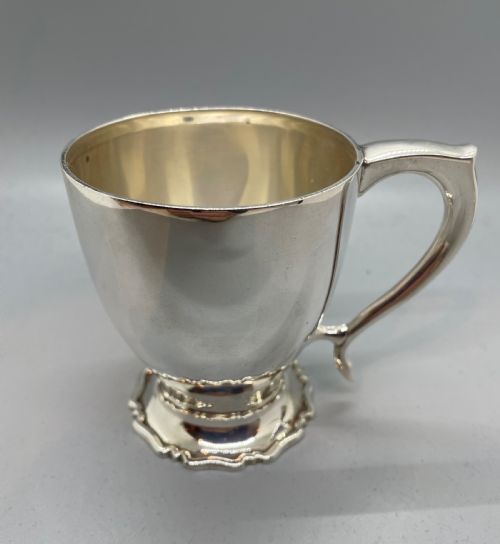
- A tall drinking vessel with a single handle, frequently produced as a christening gift or presentation piece in solid silver. They appear across Georgian, Victorian, and twentieth-century periods.
- Quaich
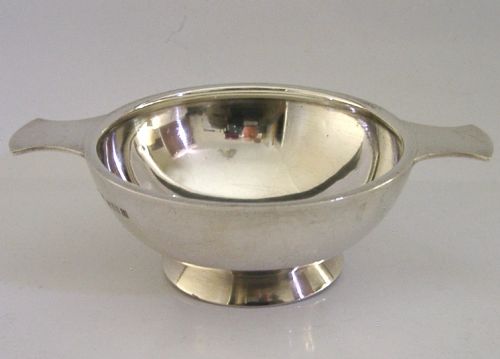
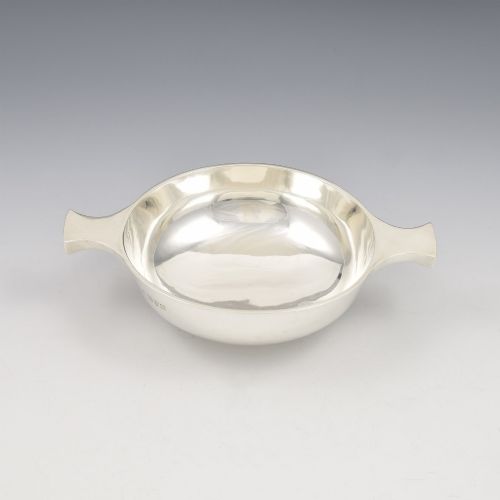
- A traditional two-handled drinking vessel originating in Scotland, designed with a shallow bowl and flat lugs. Edwardian silversmiths adapted these forms in sterling silver.
- Pierced work
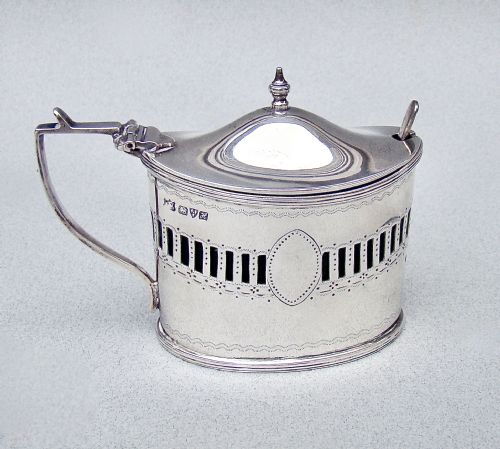
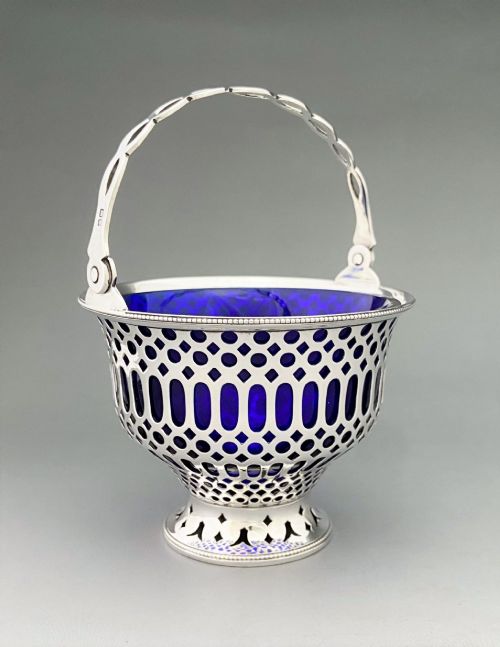
- A decorative technique where metal is cut through to create openwork patterns such as lattices or scrollwork. Mustard pots and baskets often employ this method to reveal coloured glass liners beneath.
- Sugar shaker
- A tall vessel with a perforated top used for dusting sugar over food. Art Deco examples demonstrate geometric polygon sides and removable lids.
Hallmarked Silver Vessel: Frequently Asked Questions
How do I read silver hallmarks?
Assay office marks, maker stamps, and date letters stamped into the metal reveal where and when the vessel was made. Reference books match these punches to specific towns like London, Birmingham, Sheffield, Chester, and Edinburgh.
Looking closely at the sequence of letters and symbols confirms the exact year of production, linking the piece to periods from the eighteenth century to the mid-twentieth century.
Were these vessels used daily?
Many items, including teapots, cream jugs, mustard pots, and mugs, were designed for regular dining table service. Their robust construction in sterling silver suited them for practical domestic tasks.
Other pieces, such as christening tankards and novelty lighters, served specific ceremonial or decorative functions while retaining their material utility.
How should I clean silver vessels?
Regular dusting and gentle washing with warm soapy water removes surface dirt without harming the metal. Specialised silver cloths maintain the polished appearance without abrasive cleaning.
Avoid harsh dips that strip patination from engraved details or damage fitted glass liners and enamel sections.
Why do some vessels have glass liners?
Mustard pots and condiment jars utilised blue or clear glass inserts to protect the silver from corrosive foodstuffs like mustard and vinegar. These removable liners made cleaning easier after use.
Finding a vessel with its original glass liner intact adds significantly to its completeness.