


Hallmarked Silver Dishes
Hallmarked silver dishes bring tactile weight and gleam to a room, ranging from small pin trays to large centrepieces.
Hallmarked Silver Dishes
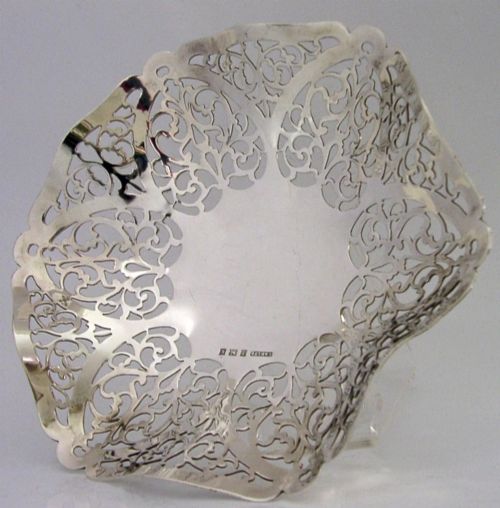
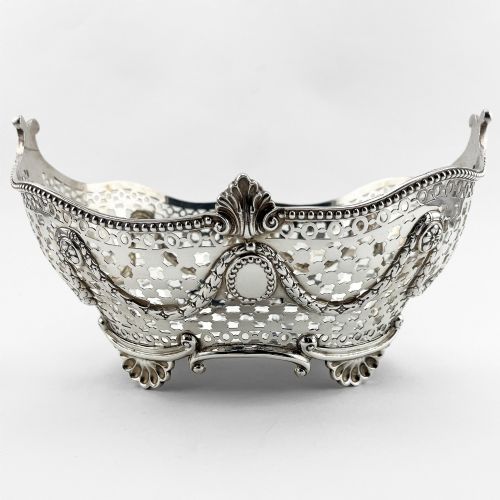
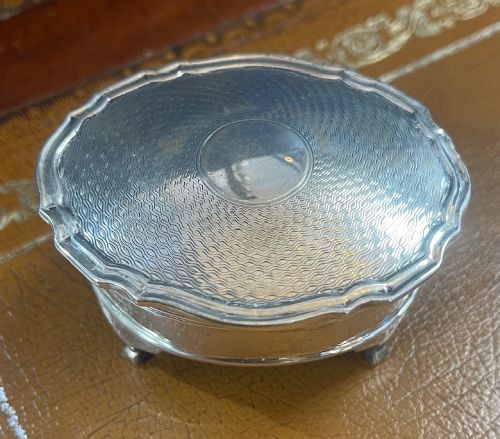
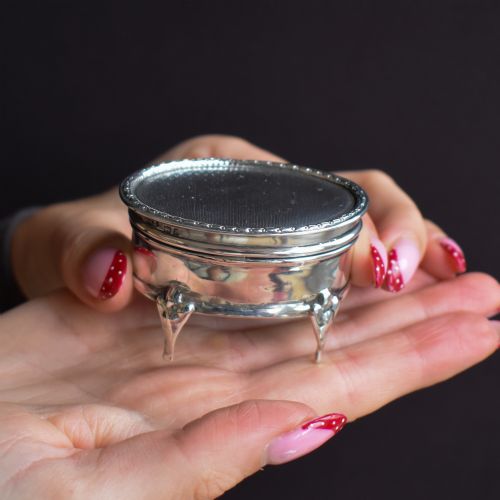
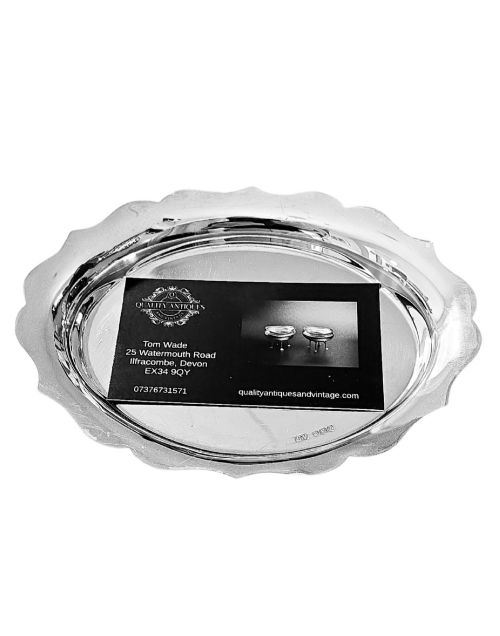
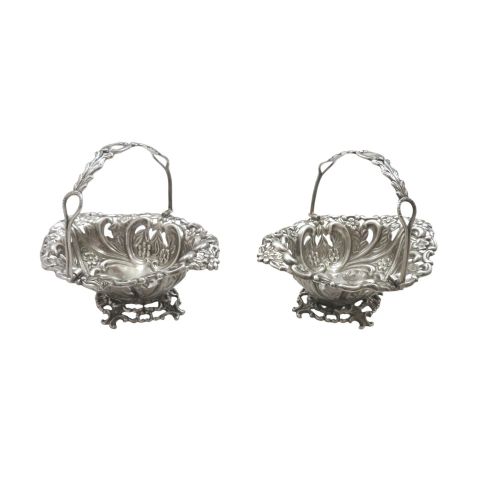
When you search for hallmarked silver dishes, you encounter a varied collection of small vessels and trays created across the Victorian, Edwardian and mid-century periods. The most common examples on this page are Edwardian and Victorian baskets, bowls, pin dishes and card trays bearing full British hallmarks.
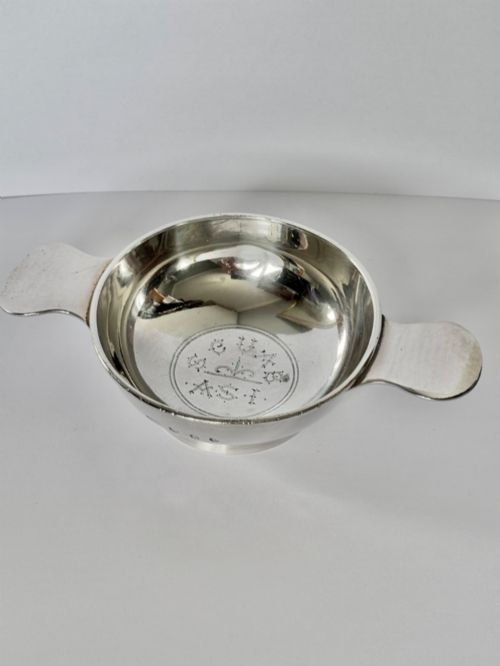
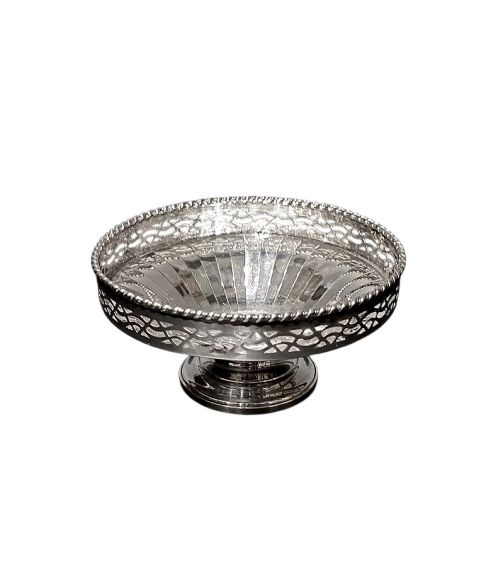
The assortment spans intimate tortoiseshell-fitted boxes and enamel-topped glass vessels through to substantial pedestal bowls and handled quaiches. Makers working in regional assay offices such as Birmingham, Sheffield, Chester and London produced these domestic items for everyday vanity, dining and display.
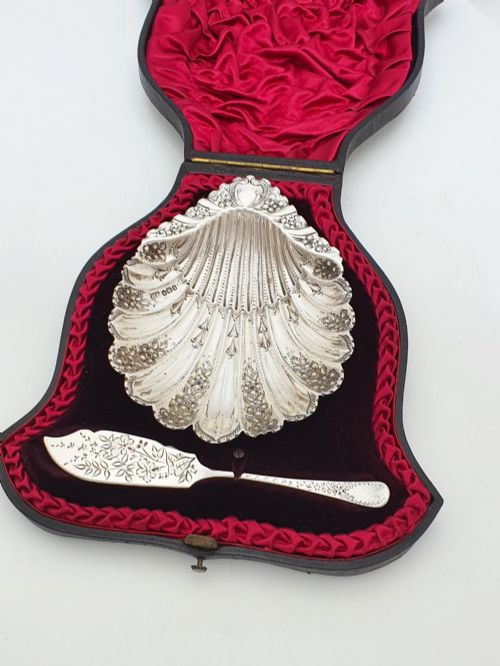
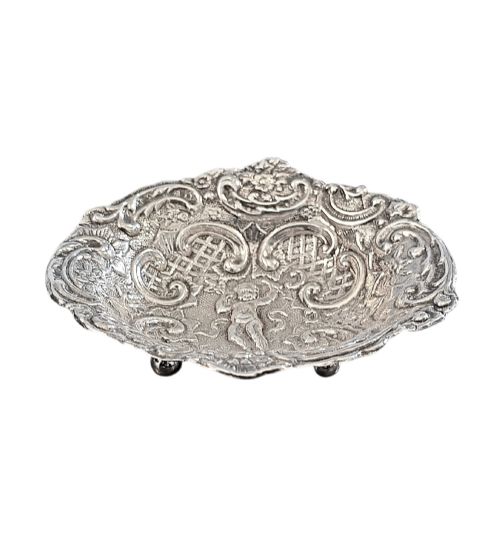
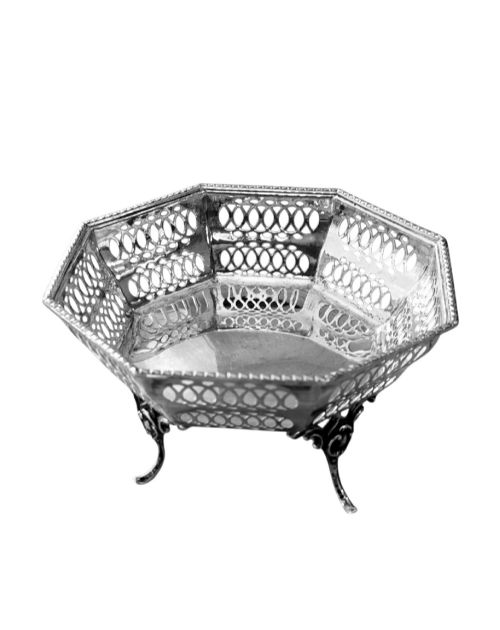
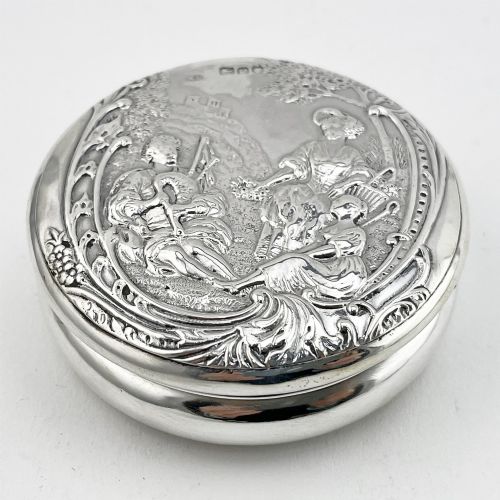
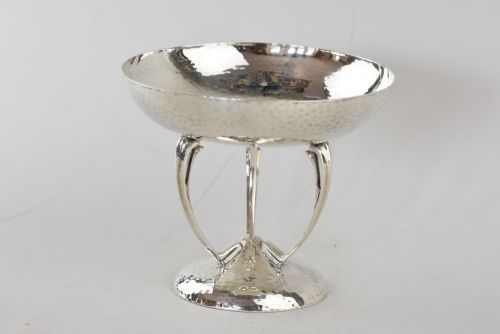
Earlier pieces lean towards elaborate repoussé florals and pierced scrollwork, while later decades introduce cleaner Art Deco lines and hammered Arts and Crafts surfaces. Buyers find both standalone vessels and cased presentation pieces designed for gifting or formal table service.
Materials and Technique
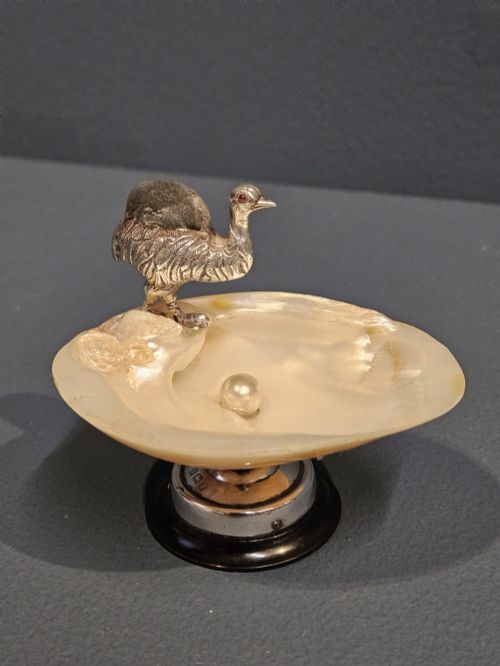
Silversmiths constructed these pieces primarily from sterling silver or solid silver, occasionally combining the metal with glass, tortoiseshell, velvet, leather and vitreous enamel. Workshops employed hammering, piercing, casting and repoussé decoration to shape the metal before submitting finished items to assay offices for official hallmarks.
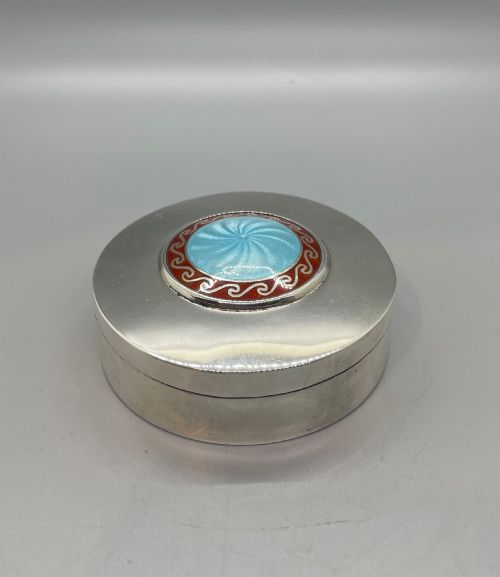
Enamelling techniques such as guilloché added translucent colour to lids and boxes, while hand-hammered surfaces showed the direct work of the maker's hammer. Fitted glass liners and panels of citrene or amethyst further diversified the construction of baskets and trinket boxes.
Hallmarked Silver Dishes Retail Price Guide 2026
Typical asking prices for hallmarked silver dishes among the pieces listed under this phrase on Sellingantiques today, from the lower quarter to the upper quarter. They describe what is for sale here now, not the wider market.
Angels and cherubs peer out from several Edwardian card trays and bonbon dishes, keeping a watchful eye on your loose change.
The Measure of Quality
The distinction between standard domestic items and superior works rests on the depth of the metalwork and the crispness of the chasing. Pieces featuring hand-chased repoussé relief, such as cherubs or floral scrolls, demonstrate greater artisan input than stamped or machine-finished equivalents.
Maker attribution also elevates a piece, with work by known silversmiths commanding attention for balanced proportions and clean piercing. The preservation of original components, such as glass inserts or fitted leather cases, maintains the integrity of the design.
William Aitken·Emile Viner·Thomas Bradbury And Sons·Nathan And Hayes·Goldsmiths And Silversmiths Company·Robert Pringle And Sons·Peter And Anne Bateman·John Grinsell And Sons·William Comyns
The Hallmarked Silver Dishes Glossary
- Hallmark
- An official stamp struck into precious metals to guarantee standard of purity, place of origin and date. These marks provide a reliable anchor for dating British silver.
- Repoussé
- A metalworking technique where the silversmith hammers the design from the reverse side to form raised relief on the front. This method creates tactile floral and figural scenes.
- Quaich
- A traditional two-handled drinking vessel or shallow bowl originating in Scotland. Examples here demonstrate the form adapted into handled silver dishes.
- Pierced
- Work decorated by cutting or piercing geometric or organic patterns through the silver sheet. This openwork technique lightened baskets and sweetmeat dishes.
- Guilloche
- An intricate decorative engine-turning pattern engraved mechanically into a base material. It frequently appears beneath translucent enamel on boxes and compacts.
Hallmarked Silver Dishes: Frequently Asked Questions
What are hallmarked silver dishes?
These are small decorative or functional silver vessels stamped with official British assay office marks to verify their metal purity.
They include open bowls, card trays, pin dishes and handled baskets made across the nineteenth and twentieth centuries.
How were these silver dishes used?
Victorians and Edwardians placed them on dressing tables for pins and trinkets, or used them to serve sweets, fruit and small desserts.
Card trays waited in hallways for visiting calling cards, while larger footed bowls served as table centrepieces.
How do I date an antique silver dish?
You look at the stamped hallmarks on the silver, which typically include a date letter corresponding to a specific year and assay office.
Stylistic cues like Art Nouveau curves or Edwardian repoussé work also help identify the period of manufacture.
How do I care for antique silver?
Silver benefits from occasional gentle cleaning with a specialised soft cloth to remove tarnish without harming the underlying metal.
Keeping pieces away from damp environments and rubber compounds protects both the silver surface and any fitted elements like glass or enamel.