




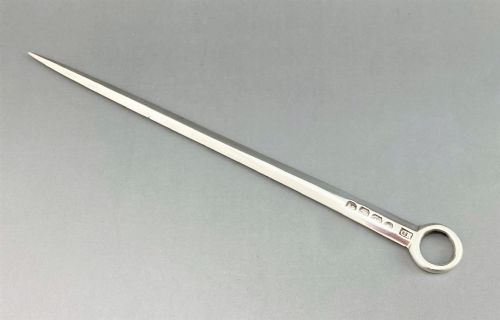

Hallmarked Silver Charm
These hallmarked silver charm pieces are miniature items bearing official metal marks, offering wearable history and decorative appeal.
Hallmarked Silver Charm
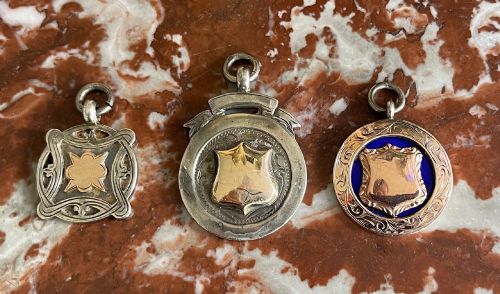
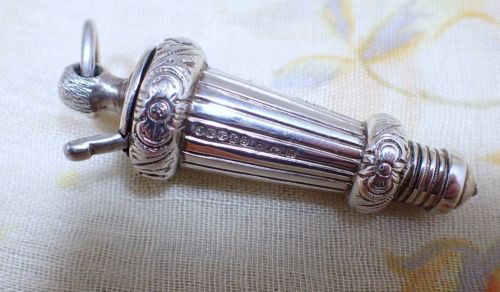
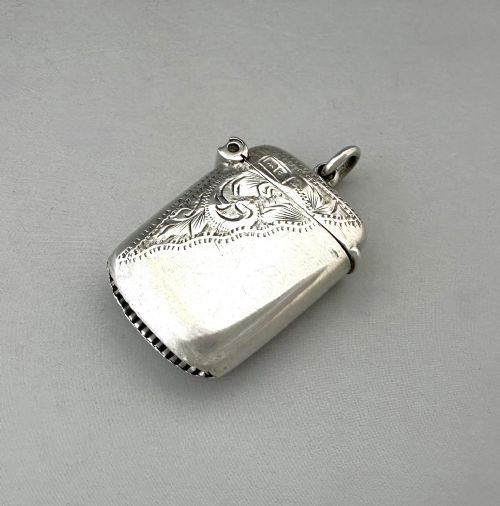
When you search for a hallmarked silver charm, you are looking at small objects and wearable pieces that bear official assay office marks. The selection spans pendant forms, watch fobs, vesta cases, picture frames, and purses.
You are most likely to meet Edwardian and Victorian examples on this page, as these periods dominate the surviving pieces. These range from small lockets and whistles to framed photographs and pocket items.
The objects originate from various decades, incorporating styles like Victorian Gothic, Art Nouveau, and George V designs. Each item carries the stamp of British assay offices such as Birmingham and Chester.
How they were made
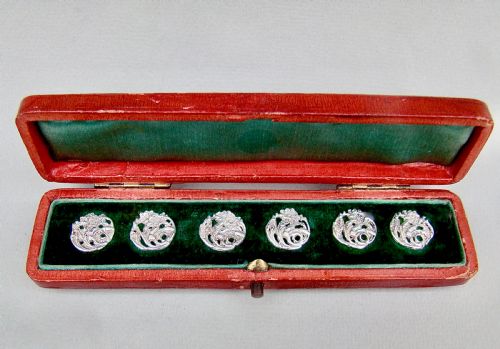
The primary material is sterling silver, shaped through casting, engraving, and mounting techniques. Makers combined this metal with velvet, leather, and enamel to create framed items, purses, and decorative objects.
Assay office hallmarks were stamped directly onto the silver to guarantee purity and origin. Artisans also utilised specialised components such as gold accents, glass panels, and textile linings within evening bags and stamp cases.
Hallmarked Silver Charm Retail Price Guide 2026
Typical asking prices for hallmarked silver charm among the pieces listed under this phrase on Sellingantiques today, from the lower quarter to the upper quarter. They describe what is for sale here now, not the wider market.
Materials across these listings include sterling silver, enamel, velvet, leather, and gold.
What varies in quality
The quality of a piece is evident in the clarity of the hallmark stamps and the crispness of the engraving work. Stronger examples display deep, legible maker marks and assay stamps alongside precise decorative detailing.
The standard of construction in secondary materials like leather, velvet, and enamel distinguishes finer items from simpler production. Well-preserved mountings and secure closures indicate higher workmanship in smaller objects and lockets.
Berthold Muller·Albert Ernest Jenkins·Henry Cook·James Deakin & Sons
The Hallmarked Silver Charm Glossary
- Hallmark
- An official stamp applied to precious metals to indicate purity, maker, and assay office. These marks allow collectors to date items accurately.
- Vesta case
- A small pocket container originally used for holding matches. They often feature engraved decoration and silver suspension loops.
- Watch fob
- A short strap, ribbon, or chain attached to a pocket watch, frequently adorned with decorative silver medallions.
- Assay office
- An official organisation that tests the purity of precious metals and stamps them with a hallmark. Birmingham and Chester are common examples in these pieces.
Hallmarked Silver Charm: Frequently Asked Questions
What is a hallmarked silver charm?
A hallmarked silver charm is a small decorative item bearing official assay office stamps that verify its metal content. These pieces encompass miniature pendants, fobs, and decorative objects.
They reflect various historical periods including the Victorian and Edwardian eras, combining traditional silversmithing with functional miniature designs.
How can I date my silver item?
You can date a piece by examining the assay office marks and date letters stamped into the silver. Each British assay office used specific symbols and letter alphabets for different years.
Matching these stamps against standard hallmarking reference tables reveals the exact year and location of manufacture.
What items are included in this category?
The category includes small wearable pieces, containers, and desk accessories made from sterling silver. Examples range from whistle pendants and lockets to vesta cases and picture frames.
Many of these objects incorporate secondary materials like enamel, leather, and velvet to enhance their utility and appearance.
How were these silver objects used?
Many pieces served practical daily functions in the Victorian and Edwardian periods, such as holding matches, postage stamps, or pocket watches. Others were worn as personal ornaments or kept as decorative objects.
Pendants and lockets held keepsakes, while purses and evening bags accompanied formal attire.