

Hall Stand with Umbrella Stand
A hall stand with umbrella stand greets every visitor at the front door, combining a place for outerwear with dedicated storage for wet sticks and brollies.
Hall Stand with Umbrella Stand
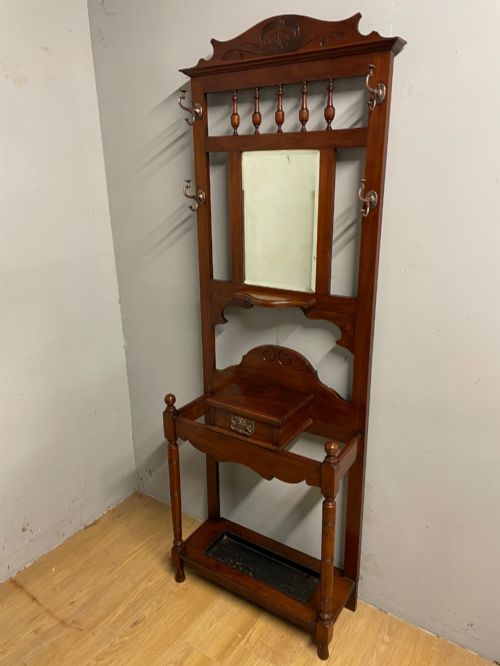
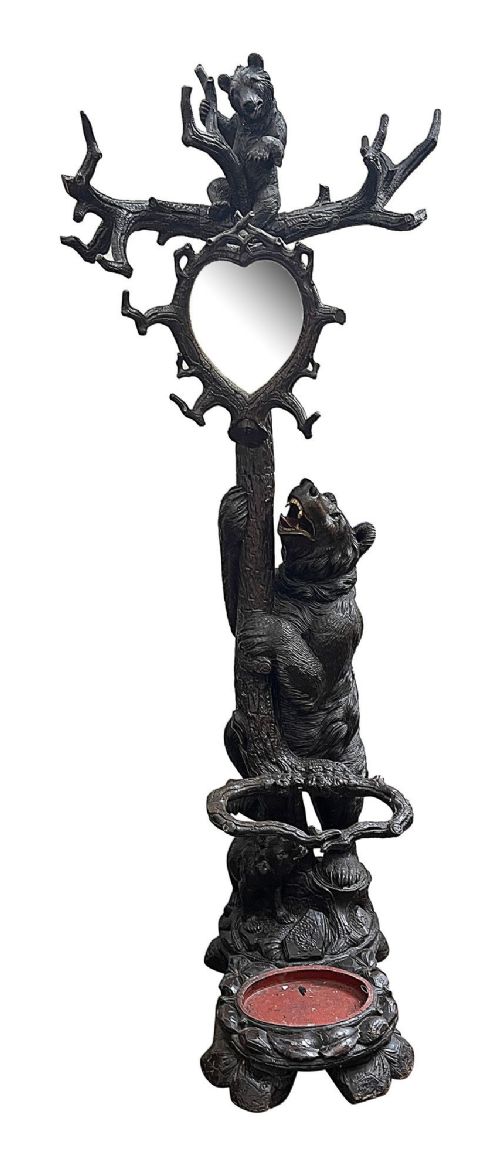
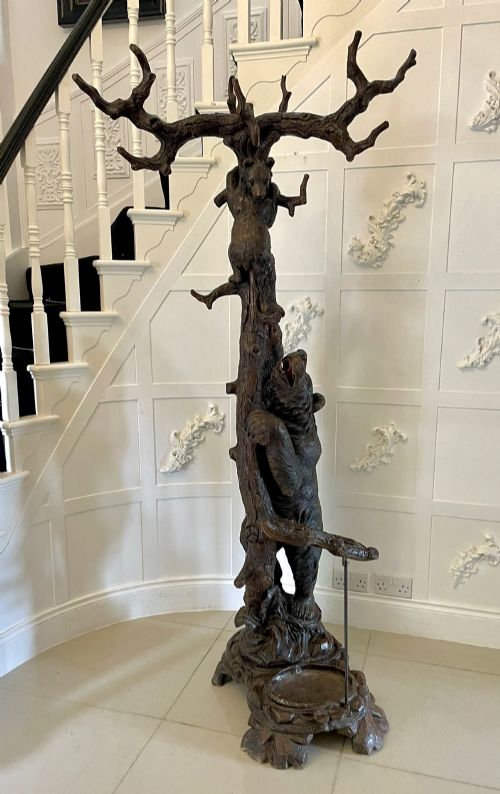
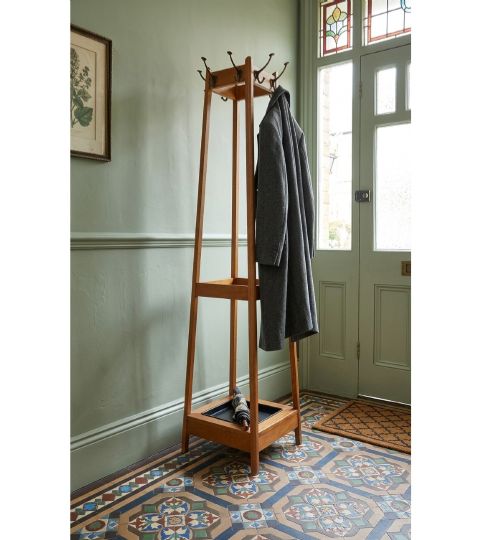
When searching for a hall stand with umbrella stand, you encounter substantial hallway furniture designed to organise entranceways in domestic properties. The pieces on this page span the Victorian and Edwardian eras, alongside later twentieth-century interpretations.
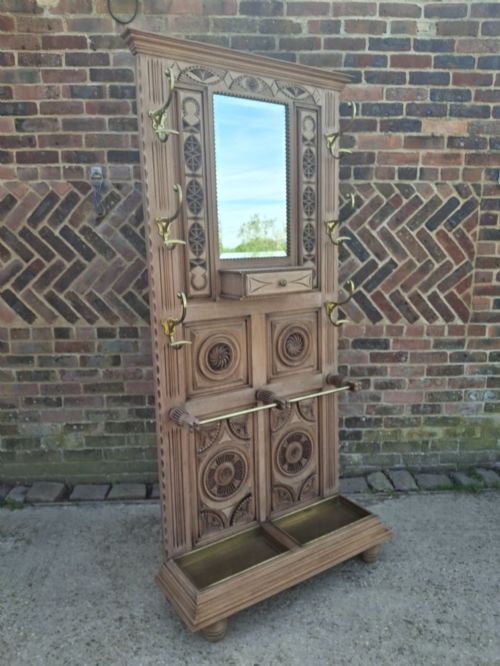
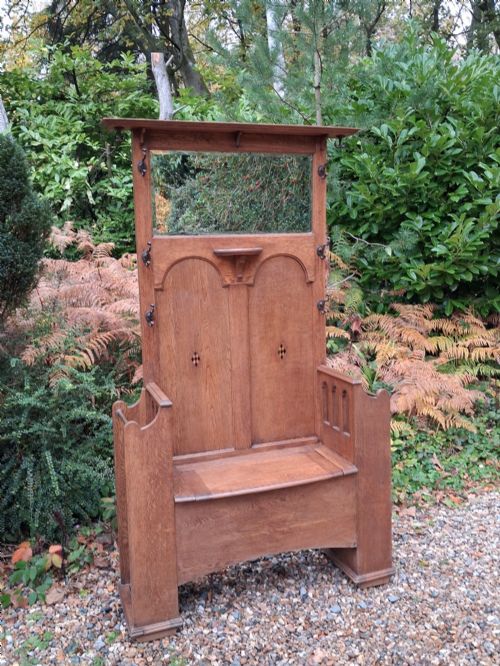
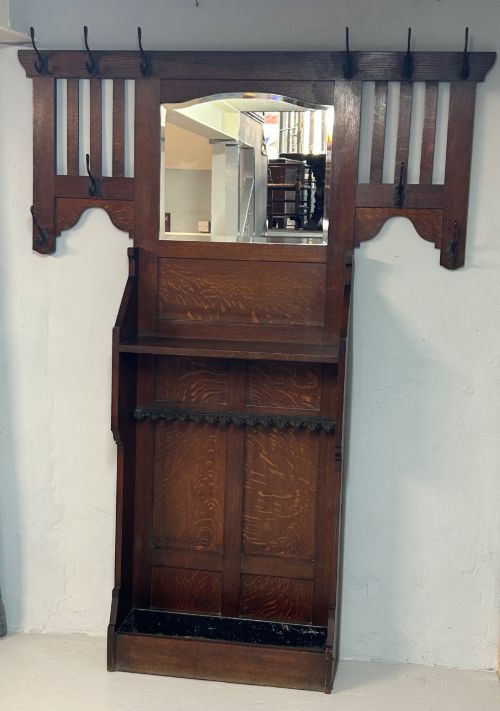
The most common formats combine vertical coat hooks with lower umbrella wells, frequently incorporating mirrors, glove drawers, or marble shelves into the timber framework.
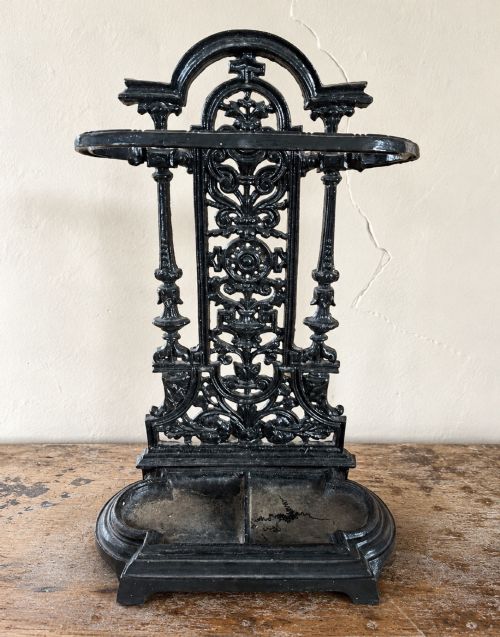
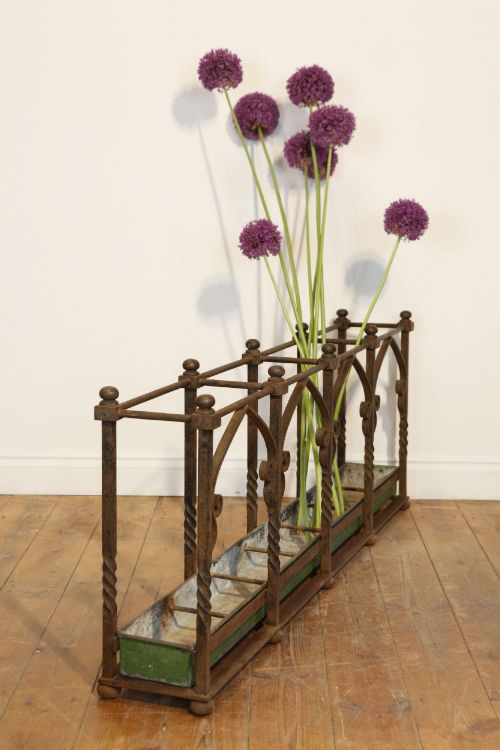
Solid timber examples dominate the selection, appearing alongside metal and cast iron versions intended for both residential and institutional hallways.
Materials and Construction
Makers utilised dense hardwoods such as oak and mahogany for the main framework, alongside bentwood and pine in specific periods. These timbers provide the structural integrity required to support heavy winter coats and the weight of metal stick rings.
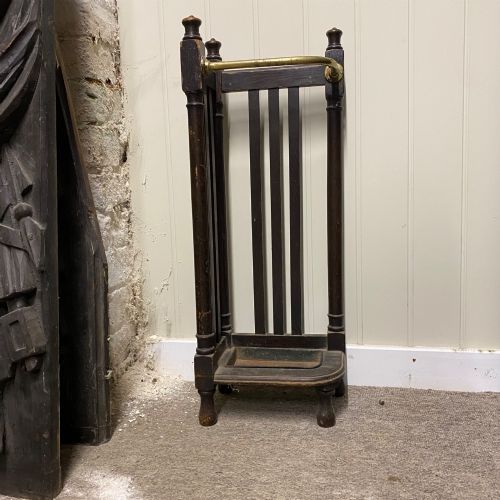
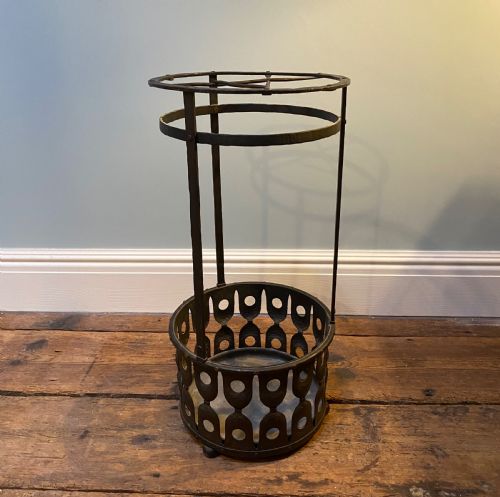
Cast iron and brass feature prominently for structural frames, decorative hooks, and lower drip trays that protect wooden floors from moisture. Iron components are frequently moulded with openwork designs or painted finishes.
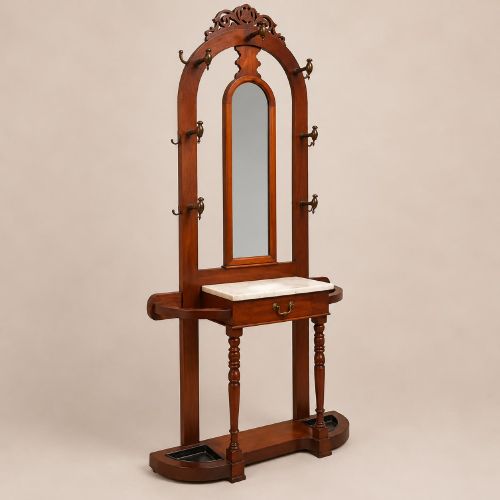
Mirrors and marble inserts appear across nineteenth-century and Edwardian variants, secured into carved wooden backboards with traditional joinery methods.
Hall Stand with Umbrella Stand Retail Price Guide 2026
Typical asking prices for hall stand with umbrella stand among the pieces listed under this phrase on Sellingantiques today, from the lower quarter to the upper quarter. They describe what is for sale here now, not the wider market.
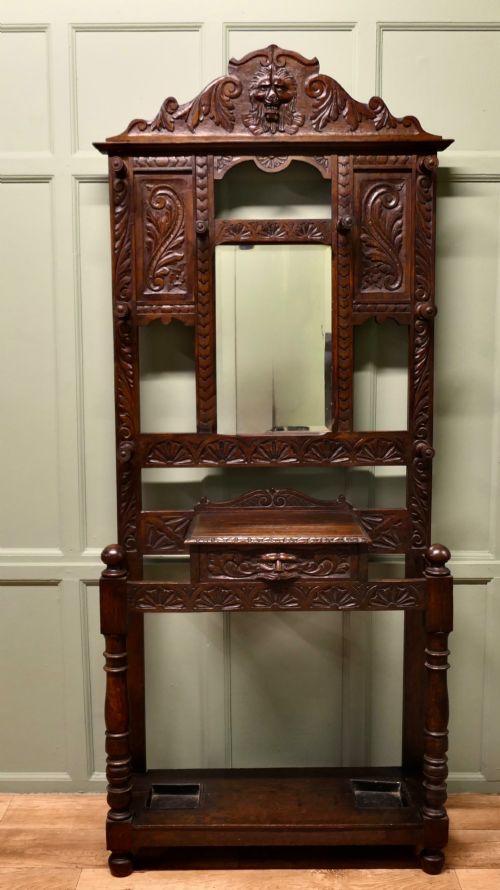
Green Man carvings peer out from Victorian oak backboards, keeping a watchful wooden eye on incoming guests and misplaced umbrellas.
Judging Quality
The standard of carving and timber selection dictates the distinction between standard hall furniture and superior pieces. Deeply carved details, such as figurative motifs or intricate mouldings, indicate more intensive workshop labour.
The presence of original hardware, including cast iron drip trays, removable metal liners, and brass coat hooks, preserves the structural integrity and historical completeness of the object.
James Shoolbred·Coalbrookdale·Thonet
The Hall Stand with Umbrella Stand Glossary
- Drip tray
- A removable metal basin positioned beneath umbrella holders to catch water from wet walking sticks. These trays are often fashioned from zinc, brass, or galvanised iron.
- Faux bamboo
- A decorative technique where timber, usually maple or pine, is carved and painted to resemble natural bamboo joints. This style gained popularity during the Aesthetic Movement.
- Demi-lune
- A half-moon or semicircular shape utilised for the footprint of specific stick stands and tables designed to sit flush against hallway walls.
- Bentwood
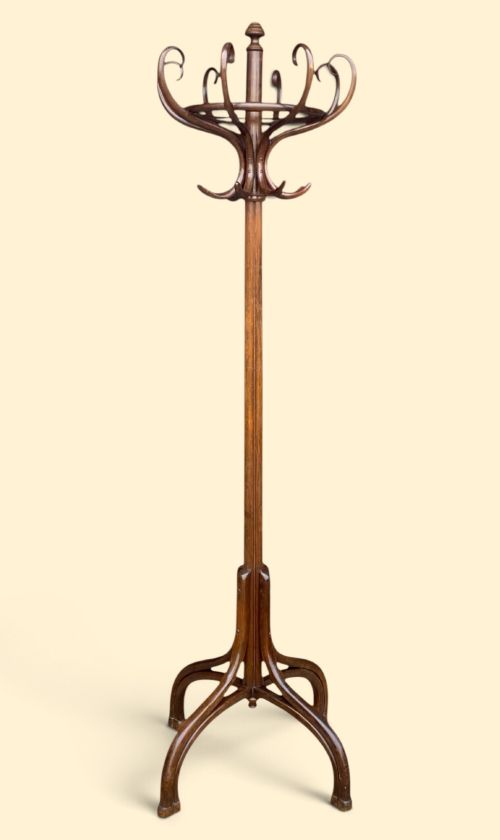
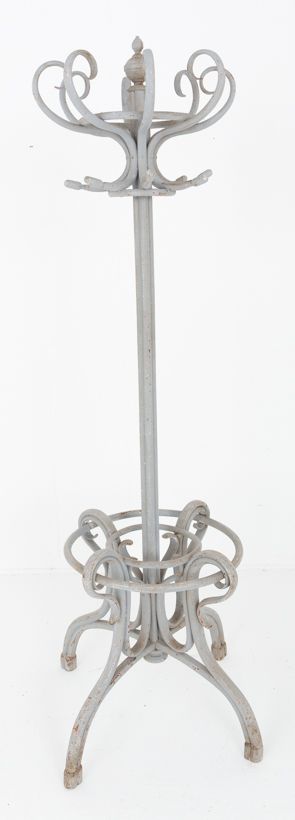
- A technique of steaming and bending solid wood, commonly beech, into curved structural forms pioneered by makers such as Thonet during the nineteenth century.
Hall Stand with Umbrella Stand: Frequently Asked Questions
How do I stop umbrellas ruining the floor?
Most antique hall stands feature an integrated metal drip tray or basin positioned directly beneath the stick rings. These removable trays catch rainwater and protect wooden hallway floors from dampness.
Ensure the tray is regularly emptied and dried to prevent rust formation on the metal surface and timber decay at the base of the stand.
Where should I place a hall stand?
These pieces are designed specifically for entrance halls, vestibules, and corridors where outer garments and walking equipment are stored. They require adequate wall space and clearance for hanging coats safely.
Consider the proximity to front doors and ensure heavy timber or cast iron versions are secured if there is risk of tipping.
How do I care for antique hall furniture?
Maintain polished wooden surfaces with appropriate beeswax and clean metal components like brass or cast iron gently with a dry cloth. Avoid placing damp items directly onto unlined wooden bases.
Check wall fixings periodically, as heavy mirrors and carved crests place stress on the upright framework over decades of daily use.
What periods do these pieces come from?
The selection spans from the mid-nineteenth century through the Edwardian era and into mid-century industrial designs. Victorian and Edwardian examples represent the majority of the carved wooden variants.
Later pieces from the mid-twentieth century often favour industrial metalwork and simplified oak or pine frames without elaborate ornamentation.