



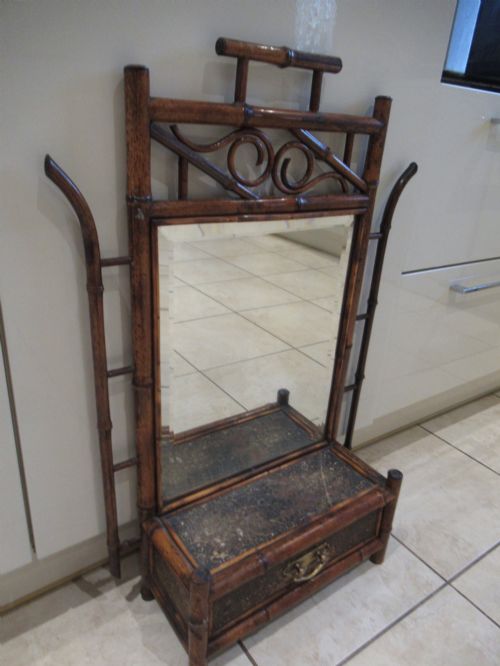

Hall Furniture with Mirror
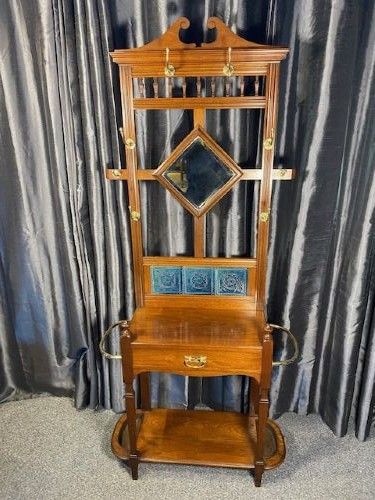
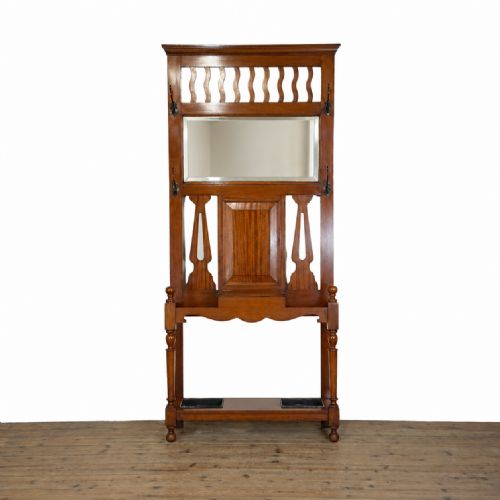
Hall furniture with mirror brings together practical entryway storage and reflective glass, offering a focal point as soon as you step inside.
Hall Furniture with Mirror
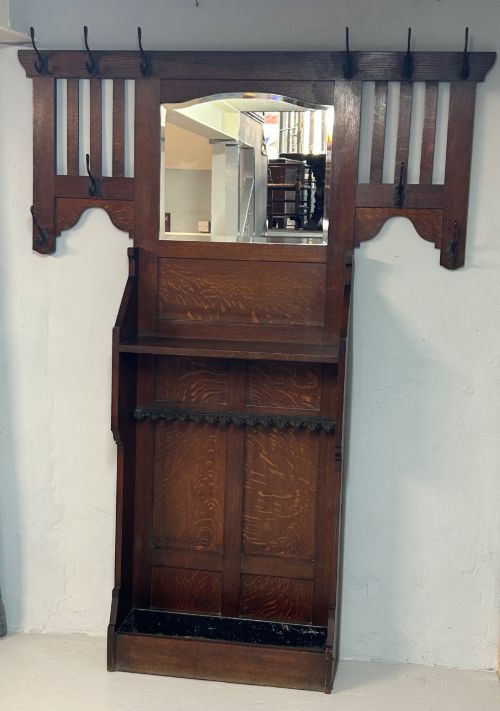
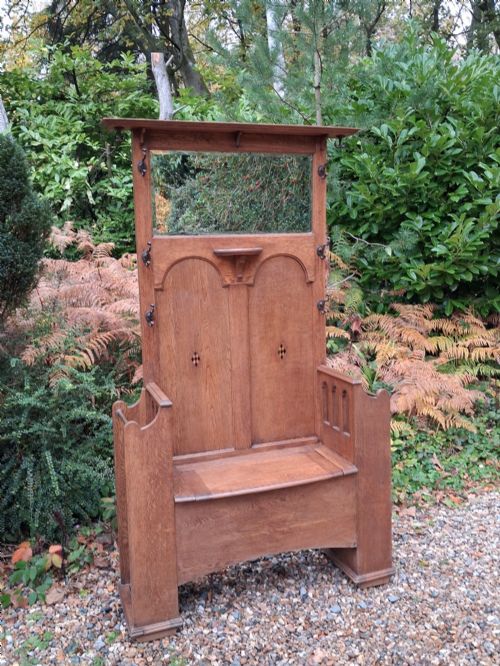
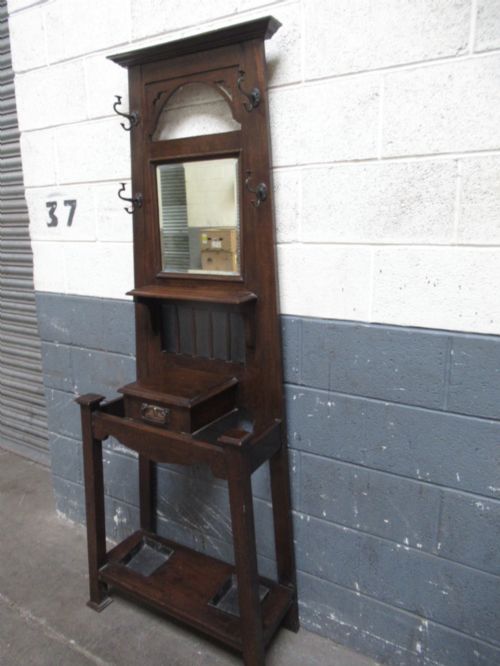
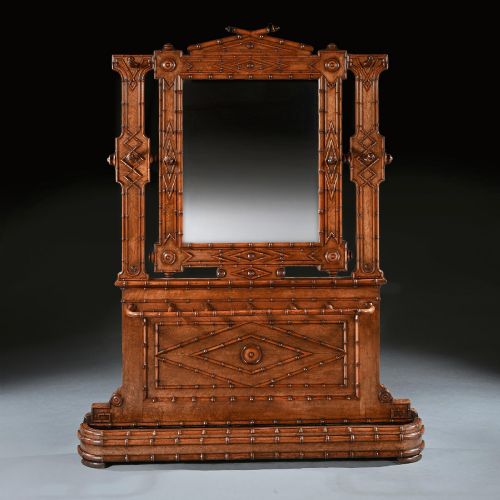
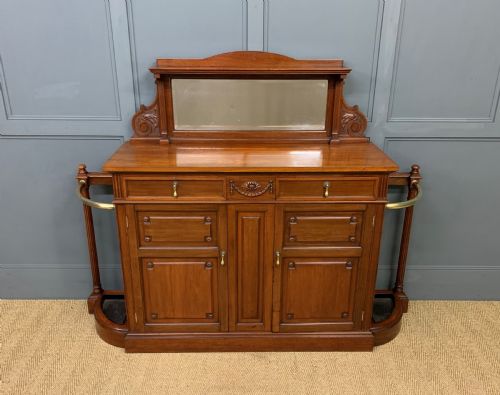
When you search for hall furniture with mirror, you encounter pieces designed to organise coats, hats, and umbrellas while providing a looking glass for final appearance checks before leaving the house. The selection centres heavily on upright hall stands combining timber frames, central glass plates, and integrated umbrella wells.
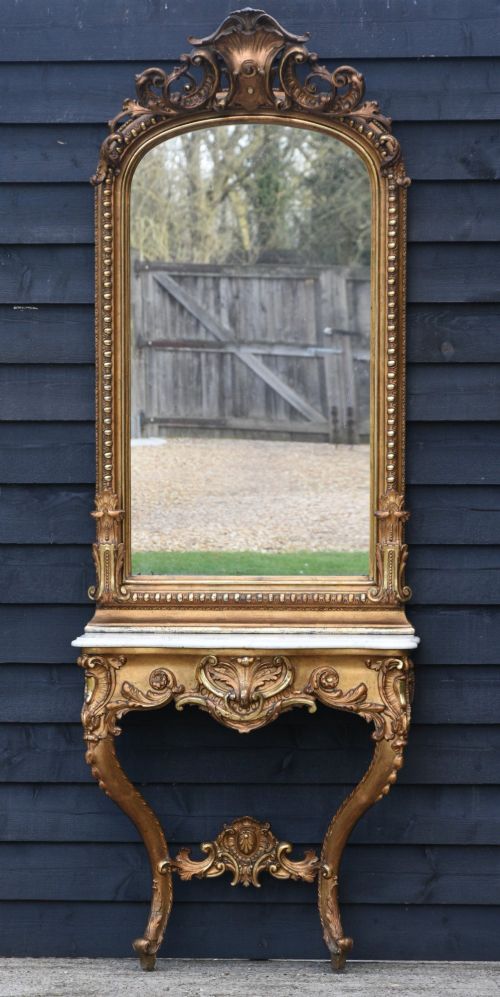
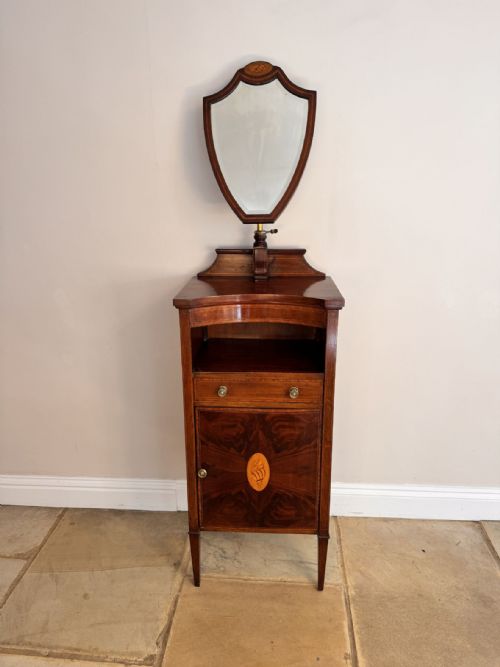
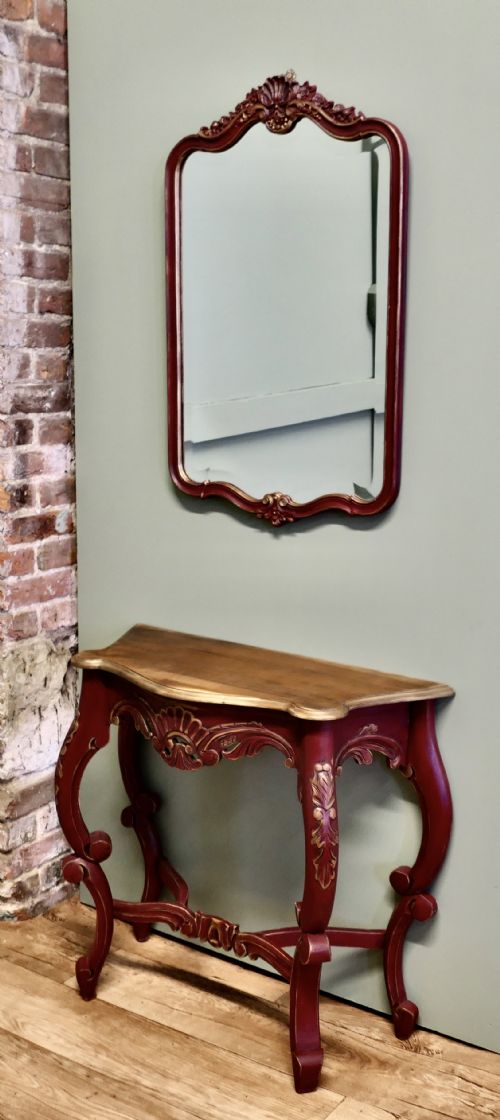
You also find console tables paired with matching wall mirrors, alongside specific wall-mounted coat racks and bamboo or cast iron variations dating across the Victorian and Edwardian eras. These items served as functional welcoming furniture in entrance halls of period homes.
The prevailing examples originate from the nineteenth and early twentieth centuries, spanning stylistic revivals from Gothic to Arts and Crafts. Most pieces integrate multiple functions into a single hallway footprint.
How they were made
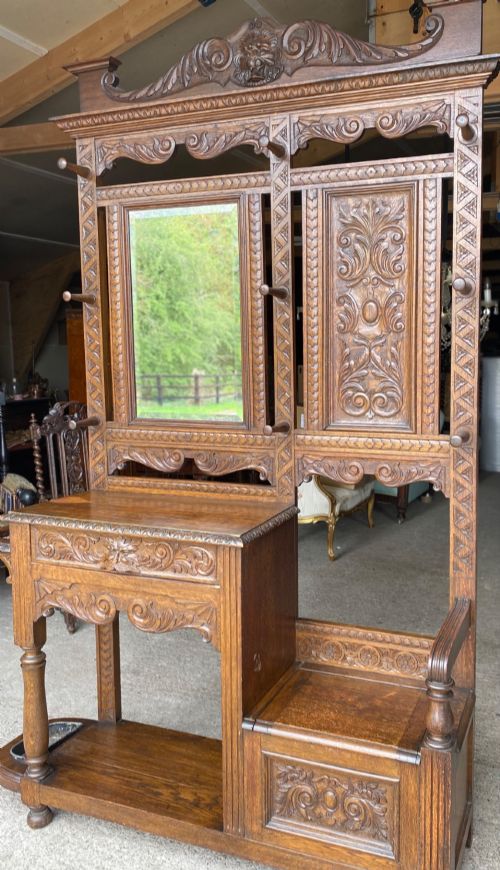
Makers utilised solid timbers such as oak and mahogany alongside alternative structural mediums including cast iron, bamboo, and pine. Woodwork often featured carved ornamentation, turned elements, and inlaid detailing, while metal versions relied on durable casting and brass fittings.
Glass plates were integrated securely into wooden frames or wall-mounted brackets, frequently accompanied by metal hooks for garments and ceramic or metal drip pans at the base for wet umbrellas. Bentwood techniques also appeared in later pieces, allowing curved wooden frames to support the structure.
Hall Furniture with Mirror Retail Price Guide 2026
Typical asking prices for hall furniture with mirror among the pieces listed under this phrase on Sellingantiques today, from the lower quarter to the upper quarter. They describe what is for sale here now, not the wider market.
Some hall stands hid small trinket drawers for lost gloves.
What varies in quality
The standard of carving and timber selection dictates the distinction between standard utilitarian items and finer examples. Deeply carved details, such as figurative motifs or elaborate linear inlays, separate exceptional specimens from plain production.
The integration of secondary materials like marble shelves, brass hooks, and heavy bevelled mirror glass elevates the execution of the piece. Robust structural integrity in the umbrella wells and coat hooks ensures the furniture retains its stability under daily hallway use.
Coalbrookdale·Thonet
The Hall Furniture with Mirror Glossary
- Hallstand
- A freestanding entryway piece combining a mirror, coat hooks, and umbrella storage. These items anchor hallway storage in period homes.
- Console table
- A table designed to stand against a wall, frequently paired with a matching wall mirror. They offer a surface for small items in narrow spaces.
- Pier table
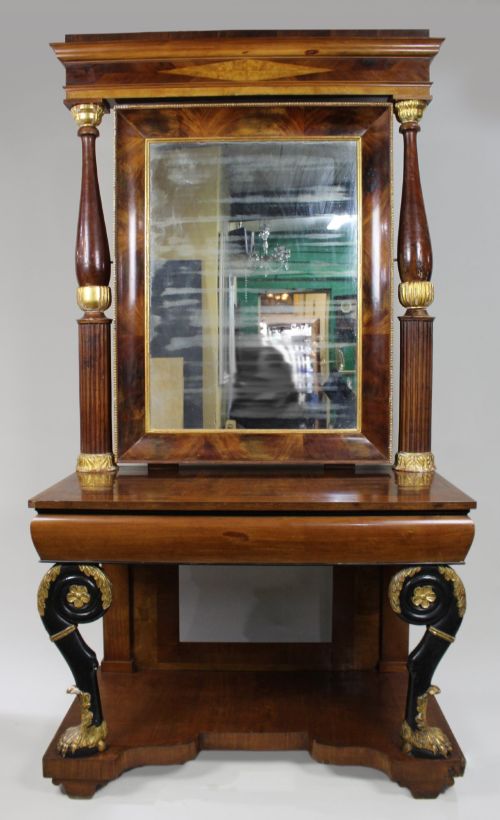
- A formal table traditionally placed against the wall between two windows, often beneath a tall mirror. William IV examples show heavy mahogany construction.
- Aesthetic movement
- A late nineteenth-century design style focusing on visual beauty over narrative content. It produced Japanese-influenced pieces like faux bamboo stands.
- Bentwood
- Wood softened by steam and bent into curved structural shapes. This technique created lightweight yet resilient frames for domestic furniture.
Hall Furniture with Mirror: Frequently Asked Questions
What is hall furniture with mirror used for?
These pieces served as the primary storage station in traditional entrance halls for outer garments, hats, and walking accessories. The integrated mirror allowed residents to check their appearance before stepping outside.
They also functioned as a decorative statement piece for welcoming visitors into the home. The inclusion of umbrella stands and drip trays kept wet weather items contained near the front door.
How do I distinguish Victorian from Edwardian pieces?
Victorian examples often feature heavier carved timber, darker oak or mahogany, and elaborate detailing influenced by Gothic or Renaissance revivals. They project a sense of substantial weight and formal presence.
Edwardian pieces tend to display lighter oak or inlaid mahogany, reflecting a shift towards brighter, simpler Arts and Crafts aesthetics. Proportions often become sleeker and less imposing as interior tastes changed.
Where should I place a hall stand at home?
A hall stand belongs in an entryway or boot room where guests arrive and outdoor clothing is removed. Placing it against a solid wall allows the piece to anchor the hallway space securely.
Ensure there is sufficient clearance for people to use the coat hooks and access the mirror comfortably. Proximity to the front door maintains the original practical purpose of catching coats and umbrellas upon entry.
Are cast iron hall stands durable?
Cast iron hall stands offer exceptional structural strength and stability, making them robust choices for heavy daily use. The metal framework resists the wear and tear associated with damp umbrellas and heavy winter coats.
These pieces often incorporate intricate openwork patterns that maintain a lighter visual footprint despite the heavy material. They require minimal maintenance beyond regular dusting and careful treatment of the painted or metal surfaces.