



Greyhound Sculpture Art
Greyhound sculpture art pieces capture sleek speed and elegance, bringing striking canine figures and mantel clocks into your home.
Greyhound Sculpture Art
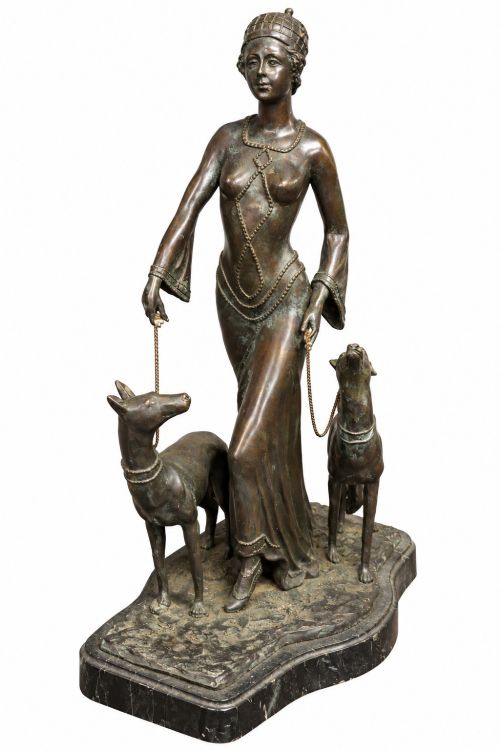
When you search for greyhound sculpture art, you encounter sleek depictions of hounds primarily from the early twentieth century. These pieces capture the distinctive slender silhouette of the dog in various poses, from resting hounds to dynamic leaping forms.
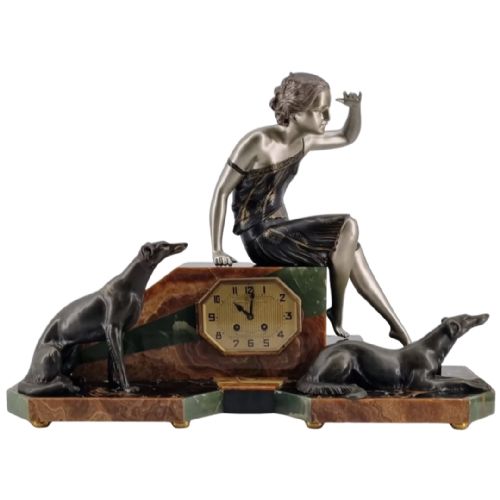
The objects on this page appear predominantly in the Art Deco style, reflecting the sleek aesthetic of the period. Forms range from freestanding bronze sculptures and porcelain figures to figural mantel clocks and car mascots.
Originating largely from the decades spanning the nineteen-twenties, thirties and forties, these works showcase the canine form through diverse artistic interpretations. You will find pieces depicting solitary hounds as well as figures paired with human companions.
Materials and construction
Materials recorded in these pieces include cast bronze, spelter, marble, porcelain, onyx and glass, often combined to create contrasting textures. Bronze and patinated metal figures frequently mount upon sturdy marble or onyx bases.
Techniques of the period rely on traditional casting methods for metals alongside fine ceramic moulding for porcelain figurines. Details are rendered through careful surface patination and polishing of the stone bases.
Greyhound Sculpture Art Retail Price Guide 2026
Typical asking prices for greyhound sculpture art among the pieces listed under this phrase on Sellingantiques today, from the lower quarter to the upper quarter. They describe what is for sale here now, not the wider market.
Some racing greyhounds spent their time bolted to car radiators before moving indoors to grace mantelpieces.
Assessing quality and craftsmanship
Quality in these sculptures rests upon the crispness of the casting and the fidelity of the anatomical lines. Superior pieces display finely articulated musculature and expressive posture that truly convey the speed of the animal.
The choice of base materials and the integration between figure and plinth further distinguish finer works. Heavier stone mounts and careful patination indicate a higher standard of manufacture from the period.
Uriano·Geo Maxim·Louis Lejeune
The Greyhound Sculpture Art Glossary
- Art Deco
- A design style spanning the nineteen-twenties and thirties characterised by sleek lines and stylised geometric forms. It heavily influences the posture and presentation of these canine sculptures.
- Spelter
- A zinc alloy commonly used as a cost-effective substitute for bronze in decorative figures. It takes patination well to simulate heavier metals.
- Patinated metal
- Metal treated with chemical solutions to produce a specific surface colour or aged finish. This technique enhances the visual depth of the sculpture.
- Automobilia
- Collectable items associated with motor vehicles, including radiator caps and bonnet ornaments. Racing greyhound car mascots fall into this category.
Greyhound Sculpture Art: Frequently Asked Questions
What materials are typical for greyhound sculpture art?
These pieces predominantly utilise bronze, spelter and porcelain, often paired with marble or onyx bases. Glass and patinated metal also appear.
Such material choices reflect the manufacturing standards and aesthetic preferences of the early twentieth century.
How do I identify Art Deco greyhound figures?
Art Deco figures display streamlined silhouettes, stylised poses and clean geometric lines. They frequently incorporate polished metal and contrasting stone.
These characteristics separate them from more naturalistic depictions of the nineteenth century.
Were these sculptures used as functional items?
Many pieces served dual purposes beyond pure decoration, appearing as components on mantel clocks, night lights and car mascots. Sculptures were integrated into functional objects of daily use.
This blend of utility and artistry defines much of the metalwork from the period.
How should I display stone and metal sculptures?
Place them on stable surfaces away from direct moisture to protect vulnerable stone bases like onyx and marble. Metal elements benefit from gentle dusting to preserve the patination.
Proper placement ensures the contrasting textures remain visually striking.