





Grey Wooden Mirror
A grey wooden mirror brings functional elegance and soft neutral tones to a room, offering both decorative presence and practical reflection.
Grey Wooden Mirror
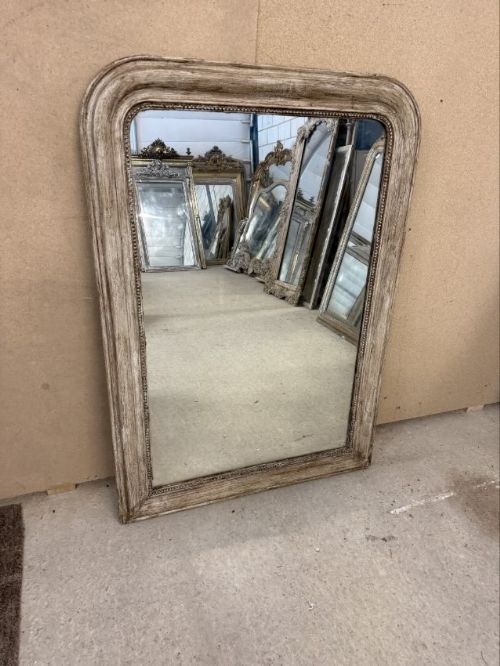
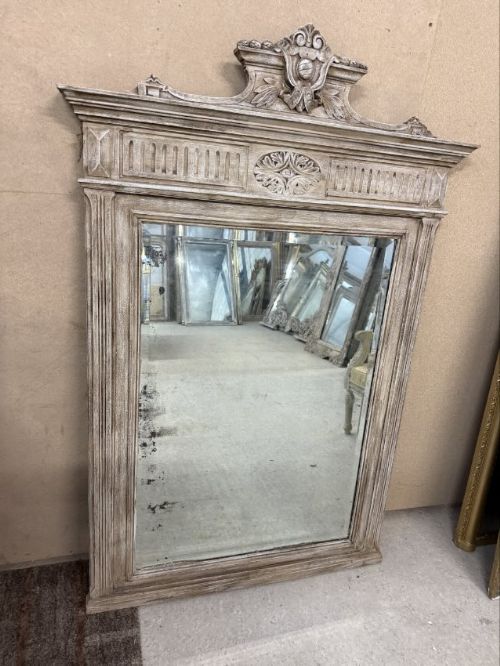
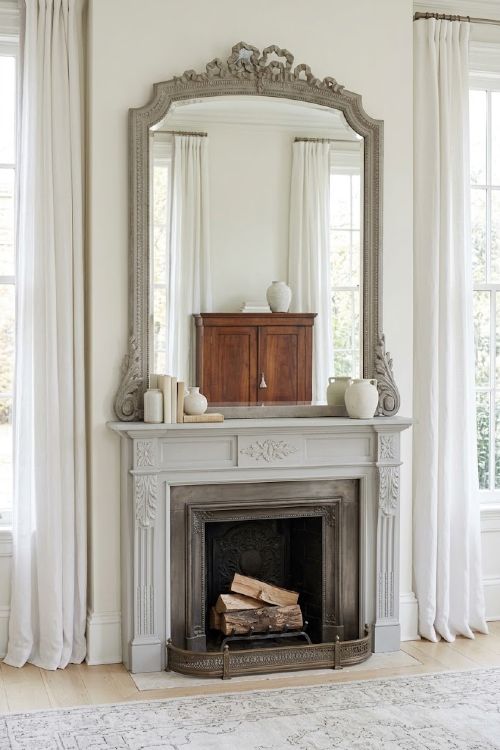
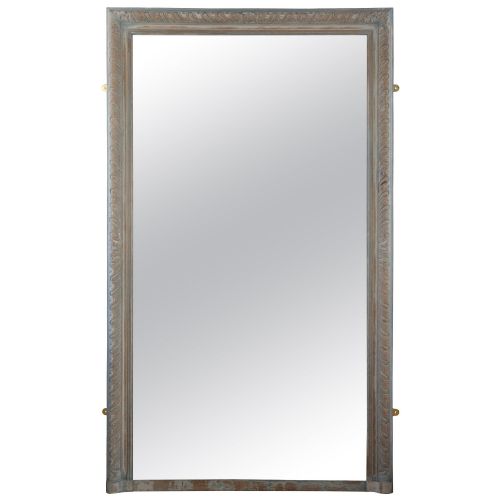
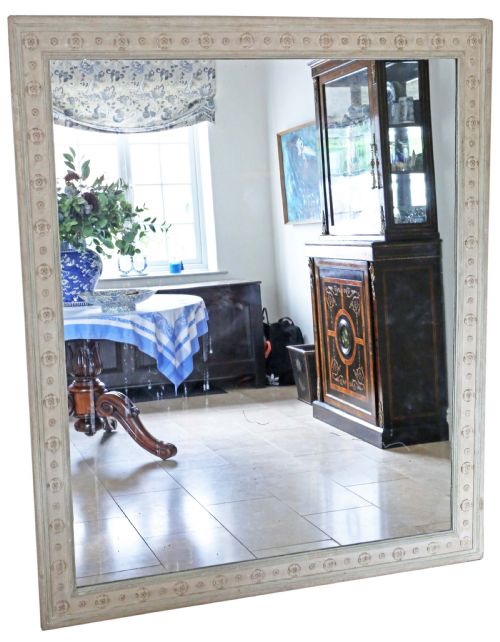
A grey wooden mirror is a reflective glass panel housed within a painted or natural timber frame, designed primarily for wall mounting or placement over mantelpieces. These pieces range from simple domestic looking glasses to grand architectural overmantels.
The most common examples on this page are large French and English pieces originating from the nineteenth century, particularly from the eighteen sixties and eighteen seventies. Buyers encounter various formats including arched top, cushion, and plain rectangular wall mirrors.
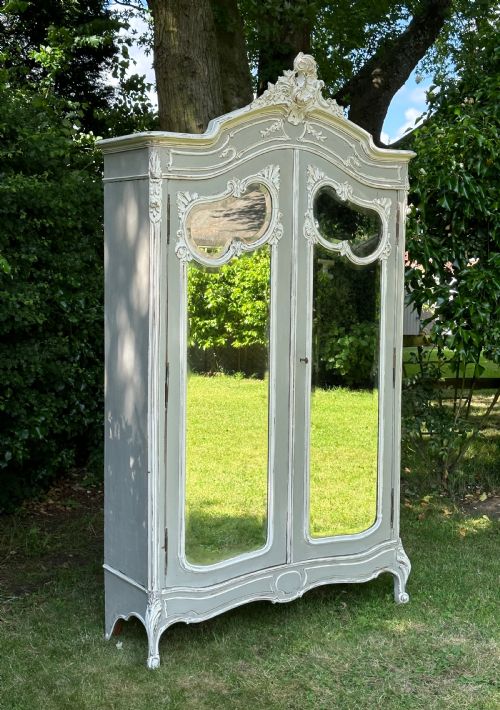
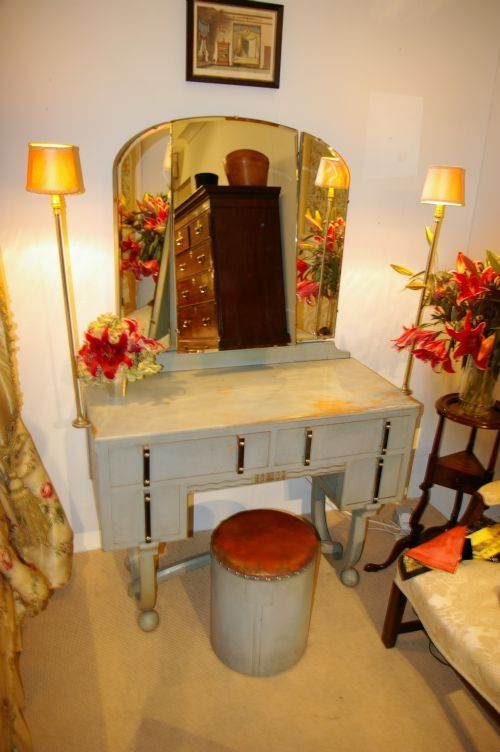
Beyond standard wall mirrors, the selection includes related items bearing similar painted wooden finishes, such as armoires, washstands, and dressing tables. These pieces share characteristic styles spanning Victorian, Edwardian, and French provincial aesthetics.
How they were made
Makers constructed the primary support using solid timber, frequently incorporating carved wooden mouldings and applied gesso details to build up decorative surface relief. The frames were then finished with layers of paint, often developing a distressed appearance over decades of use.
Reflecting surfaces consist of traditional silvered glass plates, sometimes held within heavy architectural frames of wood, brass, and metal components. Structural assembly relied on traditional joinery methods suited to large format wall and overmantel mirrors.
Grey Wooden Mirror Retail Price Guide 2026
Typical asking prices for grey wooden mirror among the pieces listed under this phrase on Sellingantiques today, from the lower quarter to the upper quarter. They describe what is for sale here now, not the wider market.
Listings feature items dated from eighteen fifty through to nineteen twenty, alongside pieces from the Victorian and Edwardian periods.
What varies in quality
Quality in these mirrors rests upon the depth of the hand-carved wooden details and the crispness of the gesso mouldings applied to the frame. Superior examples display intricate architectural framing, such as column or hour glass profiles, executed with precision.
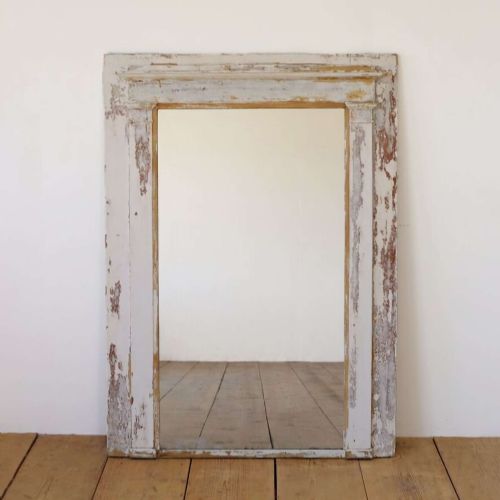
The integration of the painted finish also dictates the character of the piece, with skilful layering creating an authentic aged surface rather than a uniform modern coating. Heavier proportions and substantial plate glass further distinguish the finer examples from standard wall mirrors.
Rowley Gallery
The Grey Wooden Mirror Glossary
- Gesso
- A plaster-like mixture applied to wood frames to create a smooth surface for painting or to be moulded into intricate decorative reliefs. It allows for sharp sculptural details on the border of the glass.
- Overmantel mirror
- A large mirror specifically designed to hang on the wall directly above a fireplace mantelpiece. These pieces often feature wide proportions and substantial wooden frames.
- Cushion mirror
- A frame style where the central mirror plate is surrounded by a raised, sloping border of wood or gesso that resembles a soft cushion. This profile adds noticeable depth to the wall.
- Louis XV style
- A decorative aesthetic characterised by asymmetrical curves, natural flowing lines, and delicate scrollwork derived from French rococo design. It influences the shaping of many nineteenth-century frames.
- Bistro mirror
- A traditional commercial wall mirror featuring a simple wooden frame, frequently utilised in nineteenth-century French hospitality settings. They combine practical utility with understated painted surrounds.
Grey Wooden Mirror: Frequently Asked Questions
Where should a grey wooden mirror be hung?
These mirrors suit placement above a living room fireplace, along a hallway, or as a focal point in a bedroom. Large formats work effectively when positioned to reflect natural light and create a sense of expanded space.
Heavier overmantel versions require secure wall fixings to support their substantial wooden and glass weight safely. Smaller plain wall mirrors fit comfortably above dressing tables or washstands.
How do I identify a nineteenth century frame?
Nineteenth century frames typically display hand-carved wooden construction combined with traditional gesso mouldings rather than modern synthetic alternatives. Examination of the reverse often reveals aged timber planks and older fixings.
Stylistic markers such as Louis Philippe arched tops or French provincial detailing point towards this era. The painted surfaces often show natural signs of age and wear accrued over generations.
What styles are available for these mirrors?
The selection encompasses various regional and historical designs, including French chateau, English country, and Edwardian aesthetics. Common format styles range from simple rectangular wall mirrors to elaborate architectural overmantels.
Many pieces draw upon French provincial or Louis XV design influences, featuring shaped tops and column framings. Painted finishes often complement these traditional stylistic forms.
How do painted finishes differ across the pieces?
Painted surfaces range from flat neutral tones to distressed finishes that reveal underlying layers of wood or gesso. Some items feature specific decorative paintwork like downpipe grey alongside brass detailing.
These finishes develop distinctive patinas over time through natural wear and environmental exposure. The application varies from simple domestic coatings to elaborate decorative schemes on formal furniture.