





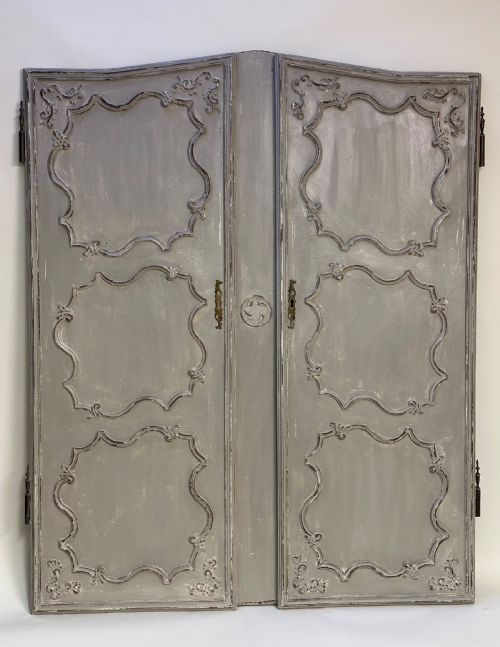
Grey Wooden Armoire
A grey wooden armoire brings muted continental elegance and substantial storage to a room, offering both painted charm and practical utility.
Grey Wooden Armoire
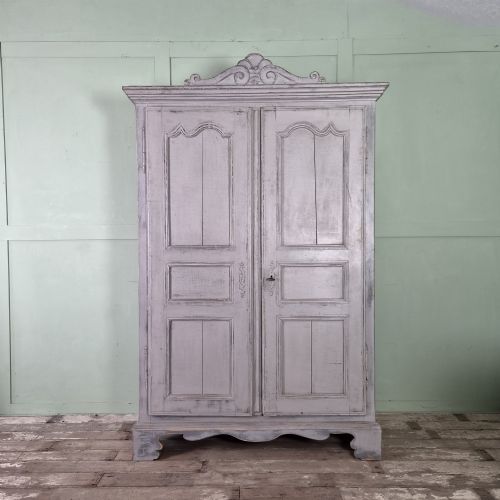
A grey wooden armoire encompasses large storage cupboards, housekeepers cupboards, vitrines and linen cupboards spanning the eighteenth, nineteenth and early twentieth centuries. These substantial pieces originate from various European traditions including French provincial, Swedish Gustavian and Hungarian country workshops.
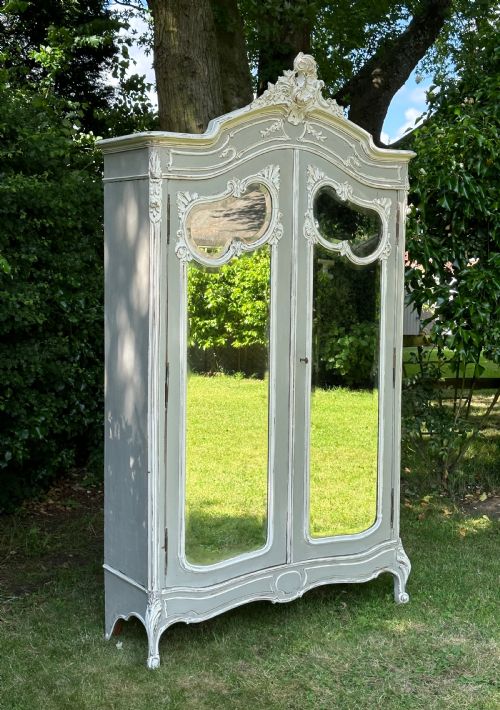
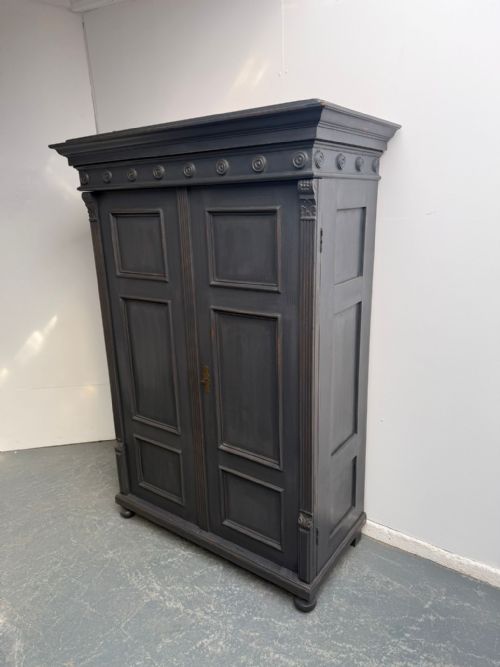
Buyers will most frequently encounter painted pine and hardwood items finished in various shades of grey, often reflecting styles such as French Chateau, Rococo or rustic country. Forms range from double door wardrobes and bookcases to specialised storage cabinets and architectural door pairs.
The selection includes period pieces from the Georgian and Victorian eras alongside continental items from eighteen-ninety and nineteen-twenty. Each grey wooden armoire shows distinct regional characteristics in its proportions, cornice details and panel construction.
How they were made
Construction relies primarily on solid timbers such as pine, oak, walnut and cherrywood, shaped by hand carpentry techniques suited to vernacular and formal cabinet making. Carpenters utilised pegged joints, hand-carved decorative motifs and panelled door construction to build rigid carcases capable of supporting heavy loads.
Surface treatments feature layered paintwork, frequently in muted grey tones, alongside exposed natural wood finishes and brass detailing for key escutcheons and hinges. Glass panels appear in display cabinets and vitrines, while select items incorporate hand-carved woodwork across doors and lintels.
Grey Wooden Armoire Retail Price Guide 2026
Typical asking prices for grey wooden armoire among the pieces listed under this phrase on Sellingantiques today, from the lower quarter to the upper quarter. They describe what is for sale here now, not the wider market.
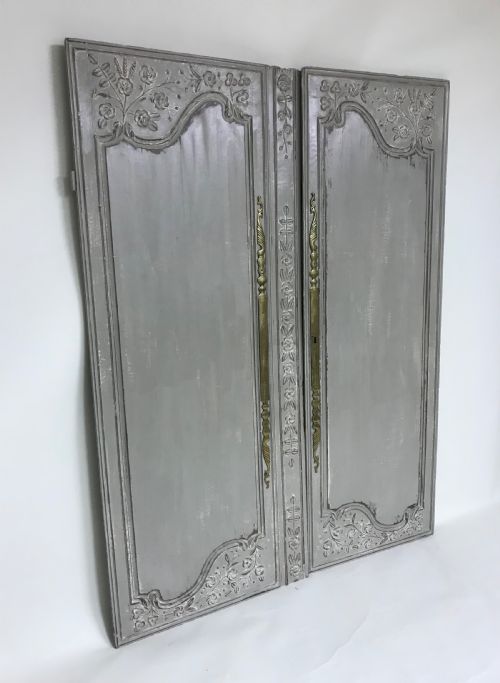
Some nineteenth-century French doors appear completely detached, waiting patiently for someone brave enough to build a room around them.
What varies in quality
Quality rests upon the integrity of the original timber frame, the crispness of hand-carved details and the retention of authentic period hardware such as brass handles and working locks. Superior examples display balanced proportions and harmonious integration of architectural mouldings without excessive structural alteration.
The sophistication of the painted finish dictates much of the visual distinction, separating simple rustic coats from nuanced historic layering or refined decorative schemes. Original backboards, intact interior shelving and well-fitted doors indicate higher craftsmanship during initial production.
The Grey Wooden Armoire Glossary
- Armoire
- A large upright cupboard or wardrobe used for storing clothing or linens. These pieces typically feature single or double doors enclosing shelves or hanging space.
- Vitrine
- A glass-fronted cabinet or bookcase designed for displaying ceramics, books or decorative objects. They often feature delicate glazing bars and refined woodwork.
- Housekeepers cupboard
- A large utilitarian storage piece traditionally used in country houses for linens and dry goods. They usually combine deep lower cupboards with upper shelving sections.
- Gustavian
- A Swedish neoclassical style originating in the late eighteenth century characterised by restrained carved decoration and pale painted finishes. This aesthetic heavily influences many grey furniture pieces.
- Escutcheon
- A flat plate of brass or other metal placed around a keyhole to protect the surrounding wood and enhance the appearance of the door.
Grey Wooden Armoire: Frequently Asked Questions
What is a grey wooden armoire used for today?
These large cupboards provide versatile storage in bedrooms, hallways and living spaces for clothing, linens or general household items. Their generous internal dimensions accommodate modern storage needs while adding distinct historical character to an interior.
Display variations with glass doors also function well as bookcases or china cabinets in dining rooms and studies. They serve as focal points that anchor a room's decorative scheme through their scale and painted presence.
How do I care for a painted wooden cabinet?
Maintain painted surfaces by dusting regularly with a soft, dry cloth and avoiding harsh chemical cleaning products that can degrade historic finishes. Keep the timber away from direct heat sources and extreme humidity fluctuations to prevent wood movement.
Period locks and brass detailing benefit from occasional gentle cleaning with appropriate non-abrasive metal care products. Ensure heavy doors are properly supported to maintain alignment over time.
How can I tell different regional styles apart?
French provincial and chateau pieces often display curved rococo lines, decorative carvings and generous cornices. Swedish Gustavian items favour straighter, neoclassical proportions with understated fluting and pale grey paint.
Hungarian and European country cupboards tend toward sturdier, simpler construction focused on utilitarian storage. Examining the joinery, cornice profiles and regional hardware helps identify the likely origin.
Are these pieces made from solid wood?
Period wardrobes, linen cupboards and armoires utilise solid timbers such as pine, oak, walnut and cherrywood. Carpenters constructed carcases, panels and internal shelving entirely from wood without modern engineered board substitutes.
This solid construction allows for traditional joinery techniques and enables the pieces to endure centuries of use. Minor seasonal movement in the timber remains normal for antique wooden furniture.