



Grey Pastel Wall Art
Grey pastel wall art brings together subtle tones and chalky textures, offering a refined way to introduce muted character into a room.
Grey Pastel Wall Art
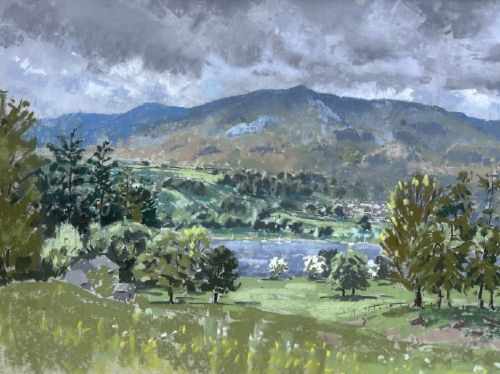
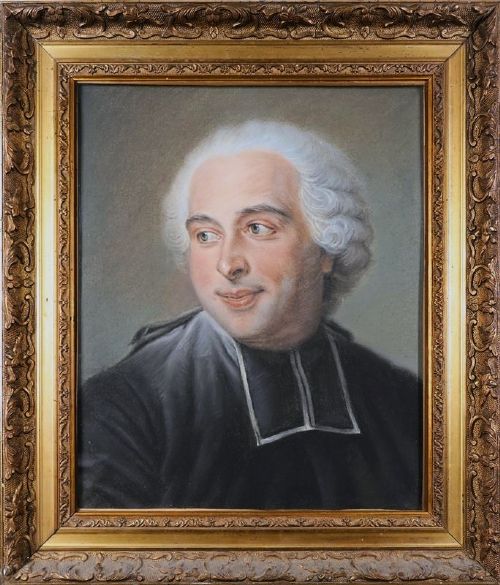
Grey pastel wall art encompasses framed drawings and paintings created using soft or oil pastels on paper, often featuring prominent grey hues. The selection spans diverse subjects, including equestrian scenes, portraits, cityscapes, animals, and harbour views.
Pieces range from nineteenth century traditional realism and the Norwich School to twentieth century styles such as mid-century modern, post-impressionism, and French school works. The forms appear primarily as framed fine art, wall art, and pastel drawings.
Buyers frequently encounter works originating from various decades, notably the nineteenth century alongside the nineteen twenties, nineteen thirties, nineteen fifties, and nineteen sixties. Each piece offers a distinct perspective captured through the immediacy of pastel media.
Materials and technique
Artists utilise pastel sticks and charcoal applied directly onto paper, sometimes enhanced by coloured paper supports that interact with the dry pigment. The resulting works capture delicate transitions of tone and texture.
Framing typically involves wood frames, sometimes finished with giltwood, paired with protective glass to shield the delicate surface of the pastel drawing from atmospheric disturbance.
Grey Pastel Wall Art Retail Price Guide 2026
Typical asking prices for grey pastel wall art among the pieces listed under this phrase on Sellingantiques today, from the lower quarter to the upper quarter. They describe what is for sale here now, not the wider market.
Materials recorded in the pieces include pastel, charcoal, coloured paper, wood, and giltwood framing under glass.
Assessing quality
Distinction across the range lies in the sureness of the draughtsmanship and the artist's ability to capture form and movement within the dry medium. Stronger works demonstrate confident handling of line and tone, particularly in figurative and animal subjects.
The integration of the paper support with the pastel pigment marks the difference between a work of presence and one of simple record. Framing choices also contribute, where period wooden or giltwood frames complement the character of the artwork.
John Rattenbury Skeaping·Maurice Quentin de la Tour·Henry Bright
The Grey Pastel Wall Art Glossary
- Pastel
- A dry painting medium consisting of powdered pigment and a binder, known for its velvety texture and matte finish.
- Pastel on paper
- An artwork created by applying pastel chalks directly onto a paper support, which sometimes supplies background colour to the composition.
- Charcoal
- A dry drawing material made from burnt organic matter, frequently used alongside pastels to establish strong lines and deep shadows.
- Giltwood
- Wood carved and covered with a thin layer of gold leaf or gold paint, commonly found on traditional frames.
- Norwich School
- A regional group of artists influenced by Dutch landscape painting, known for naturalistic depictions of local scenery.
Grey Pastel Wall Art: Frequently Asked Questions
How should I display pastel art?
Pastel works require protection behind glass to prevent the loose pigment from smudging or lifting off the paper surface over time. Hang them away from direct sunlight and areas of high humidity to preserve the colours.
Selecting a suitable frame with a mount ensures the glass does not touch the fragile surface of the pastel drawing directly.
Are these pieces original works?
The selection includes original hand-drawn or hand-painted pastel works created directly by the artists, alongside occasional pieces noted as being after earlier masters. Each piece relies on the physical application of pigment to paper rather than mechanical reproduction.
Examining the surface under glass often reveals the individual chalk strokes and texture characteristic of authentic pastel painting.
How do I identify the period?
Dating relies on stylistic clues, framing materials, signatures, and documentation associated with the specific artist or school of painting. Twentieth century pieces often reflect mid-century or post-impressionist sensibilities, whereas nineteenth century works tend towards traditional realism.
Comparing the subject matter and paper type against known periods helps narrow down the likely decade of creation.
What subjects are most common?
The available subjects range widely from portraits and animal studies, such as horses and cats, to architectural cityscapes and winter harbour scenes. Artists across the nineteenth and twentieth centuries utilised the medium for both quick studies and finished exhibition pieces.
This variety allows collectors to choose between figurative works, landscapes, and atmospheric studies depending on their preference.