



Grey Metal Planter
These grey metal planter pieces bring solid architectural weight to gardens and conservatories.
Grey Metal Planter
When you search for grey metal planter, you find heavy utilitarian vessels and classical garden ornaments forged from lead, cast iron, zinc, and galvanised metal. These items span periods from the eighteenth century through to the mid-twentieth century, offering robust containers for plants and trees.
The selection ranges from grand campana garden urns and claw-footed lead vessels to galvanised log baskets, dolly tubs, and French zinc planters. Many arrive as matched pairs intended for formal terraces, doorways, and conservatory settings.
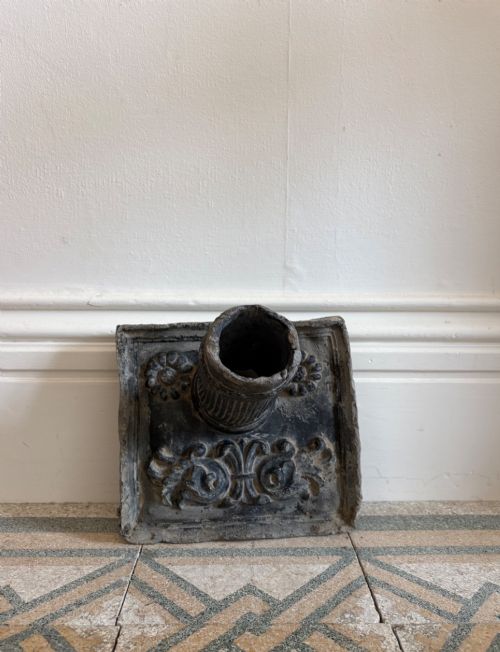
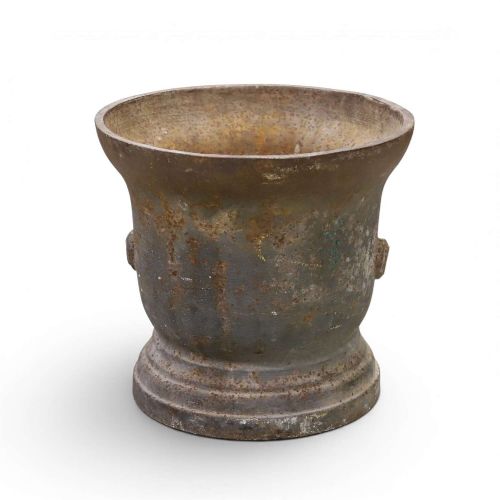
Vessels take various forms including mortars, architectural salvage, wash tubs, and cistern panels. Their metallic grey patinas develop through decades of exposure, yielding textured surfaces that complement stone and foliage alike.
How they were made
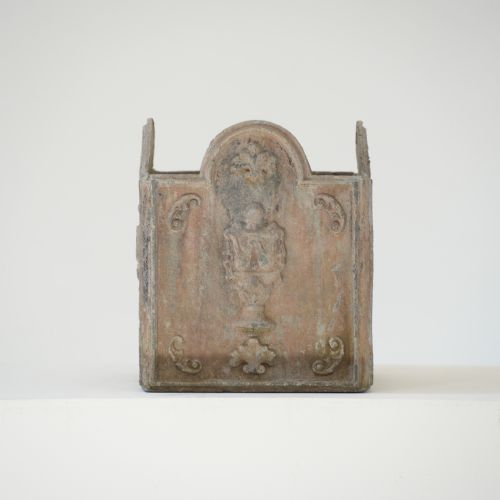
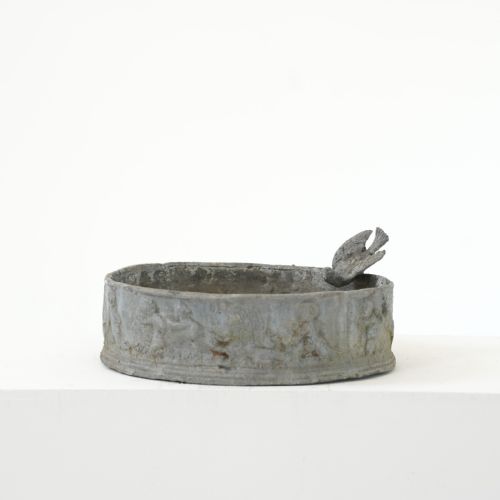
Foundry work dominates the construction, utilising heavy cast iron poured into moulds to create crisp neoclassical relief details and sturdy campana forms. Lead pieces often combine sheet or cast construction with soldered or bolted joints, resulting in dense, weather-resistant walls that weather to a dark grey tone.
Galvanised metal and zinc items rely on protective zinc coatings applied to iron or steel sheets, joined by folded seams and rivets to hold moisture and soil securely. Wrought iron elements involve manual forging, bending, and riveting to construct robust frames and stands.
Grey Metal Planter Retail Price Guide 2026
Typical asking prices for grey metal planter among the pieces listed under this phrase on Sellingantiques today, from the lower quarter to the upper quarter. They describe what is for sale here now, not the wider market.
An eighteenth-century lead cistern panel records the date 1765 alongside marine motifs, proving that even municipal plumbing once enjoyed artistic ambition.
What varies in quality
The integrity of the metal wall thickness dictates longevity, distinguishing solid nineteenth-century castings from lighter twentieth-century presswork. Original surface patination and uncompromised structural drainage holes separate superior vessels from compromised items.
Artistic execution in the cast ornament, such as sharp relief moulding on urns and balanced proportions in handles or plinths, elevates certain examples above utilitarian wash tubs and dolly tubs.
Andrew Handyside
The Grey Metal Planter Glossary
- Campana
- A bell-shaped garden urn profile popular in classical design. These vessels typically flare outward toward a wide rim.
- Galvanised
- Steel or iron coated with a protective layer of zinc to prevent rust. This process creates a characteristic spangled grey surface.
- Mortar
- A heavy bowl-shaped vessel traditionally used for crushing substances. In garden settings, these repurposed items serve as compact planters.
- Cistern
- A large reservoir container, often panelled in lead with moulded decoration. Surviving panels demonstrate early relief casting techniques.
Grey Metal Planter: Frequently Asked Questions
Can these metal planters stay outside in winter?
Most lead, cast iron, and galvanised vessels withstand frost and winter weather without issue. Ensure adequate drainage holes remain clear so expanding ice does not crack the metal.
Heavier cast iron and lead pieces require no winter storage, though positioning them on pot feet helps prevent moisture trapping at the base.
How do I identify a lead planter?
Lead objects feel notably heavy for their size and exhibit a dull grey oxidised surface. The metal accepts a scratch easily with a fingernail and shows no signs of red iron rust.
Older lead vessels frequently feature cast panel construction with soldered seams and subdued classical ornamentation.
How do I clean a cast iron urn?
Gentle washing with warm water and a soft brush removes loose soil and organic debris. Avoid harsh chemical cleaners that strip the historic grey patina.
Applying a light coat of oil or wax can help protect exposed iron surfaces from further oxidation in damp garden environments.