




Grey Kitchen Dresser
A grey kitchen dresser brings functional storage and painted timber character to a room, spanning 18th century, 19th century, and Georgian periods in English, French, and Scandinavian styles.
Grey Kitchen Dresser
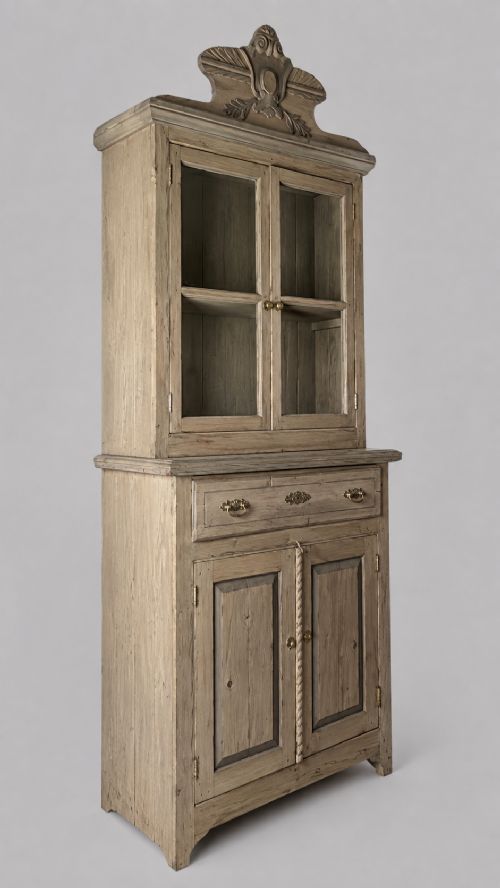
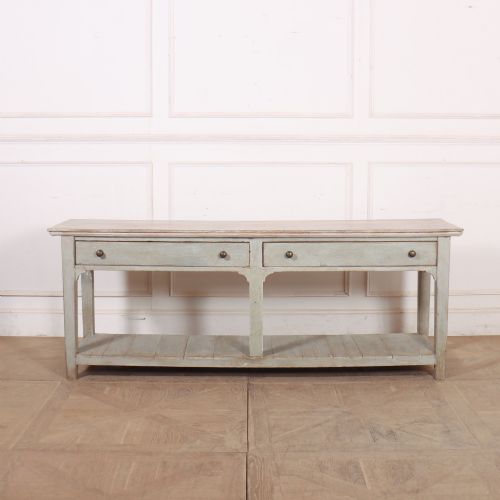
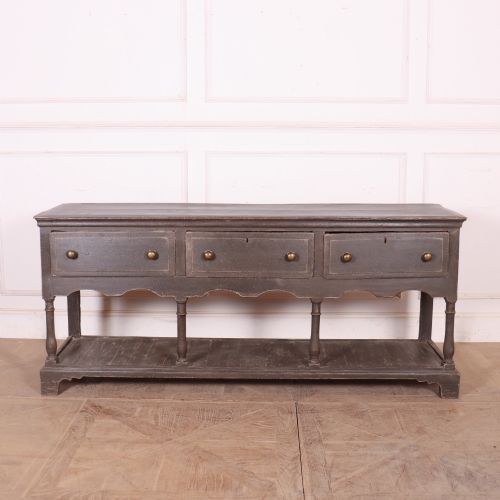
A grey kitchen dresser is a storage and display piece found in forms such as dressers, dresser bases, glazed cupboards, servers, and display cabinets. These items originate from English country, Welsh country, French provincial, Swedish country, and Danish traditions.
The pieces listed here span the 18th century, 19th century, 1860, and Georgian periods, showcasing traditional utilitarian forms adapted for domestic storage. Buyers will most frequently encounter painted timber and pine constructions finished in neutral grey tones across these various regional styles.
How they were made
Makers constructed these dressers primarily from solid timber such as pine and oak, utilising traditional joinery methods suited to regional workshops. Surfaces were finished with paint layers, often applied over timber to protect the wood and alter the appearance of the cabinet.
Hardware elements typically include brass or metal fixtures, whilst glazed sections incorporate glass panes for display cabinets and cupboards. Potboard dresser bases feature lower open shelves for heavy domestic vessels, contrasting with enclosed servers and display units.
Grey Kitchen Dresser Retail Price Guide 2026
Typical asking prices for grey kitchen dresser among the pieces listed under this phrase on Sellingantiques today, from the lower quarter to the upper quarter. They describe what is for sale here now, not the wider market.
Current selections feature pieces from the 18th century, 19th century, and Georgian period, constructed in pine, oak, and painted timber.
What varies in quality
Quality variation rests in the integrity of the timber framing, the proportion of the carcass, and the execution of regional joinery details. Pieces constructed entirely in oak demonstrate greater structural resilience than lighter pine alternatives.
The application and preservation of the painted surface significantly influence the character of each cabinet. Finer examples retain harmonious proportions across the base and upper display sections, reflecting the specific traditions of English, Welsh, or continental workshops.
The Grey Kitchen Dresser Glossary
- Potboard dresser base
- A lower kitchen storage unit featuring an open lower shelf, known as a potboard, beneath the main work surface and drawers. This traditional form allowed heavy pots and pans to be stored off the stone floor.
- Vaisselier
- A French term for a kitchen dresser or plate rack cabinet designed for displaying tableware and storing kitchen provisions. These pieces often incorporate open shelving combined with lower enclosed cupboards.
- Glazed cupboard
- A storage cabinet featuring glass panes fitted into the upper doors to display ceramic plates and glassware while protecting them from dust. Such pieces date across the 18th and 19th centuries in various regional European styles.
- Server
- A lower storage unit akin to a sideboard, utilised in domestic spaces for serving food and storing dining utensils. These pieces appear in regional English and Welsh country forms.
Grey Kitchen Dresser: Frequently Asked Questions
What is a grey kitchen dresser?
A grey kitchen dresser is a storage furniture piece encompassing dressers, dresser bases, and glazed cabinets finished with painted surfaces. These items combine practical shelving and cupboards with regional decorative traditions from the 18th and 19th centuries.
Such furniture serves as both a functional kitchen storage unit and a display feature for tableware, utilising timbers like pine and oak.
How do I style a grey kitchen dresser?
Integrating these dressers into a room involves balancing open display shelves with concealed storage in the lower base or cupboards. They suit various interior aesthetics, drawing on English country, French provincial, and Scandinavian design traditions.
Positioning the unit against a neutral wall allows the painted timber finish and hardware details like brass fixtures to become focal points.
What is the difference between a dresser base and a full dresser?
A dresser base consists solely of the lower section featuring drawers and cupboards, sometimes with an open potboard shelf underneath. A full dresser includes an upper display structure with shelves or a glazed cabinet mounted on top.
Both forms provide substantial storage capacity, though bases offer a lower profile suitable for rooms with restricted vertical wall space.
What woods were used for antique dressers?
Cabinet makers utilised regional timber resources, most commonly pine and oak, for the structural carcass and shelving of these pieces. Painted finishes were frequently applied directly to the timber surfaces to protect the wood and align with domestic interior fashions.
Hardware elements such as brass or metal fixtures were incorporated into drawers and cupboard doors for daily operation.