
Grey Framed Art
Grey framed art comprises centuries of oil paintings, watercolours, and drawings held within protective wood and glass surrounds.
Grey Framed Art
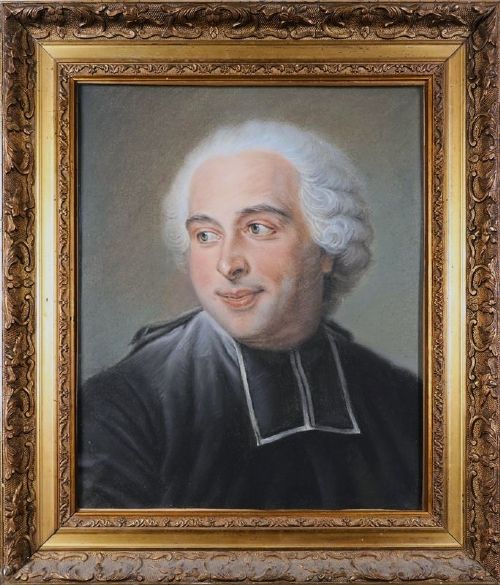
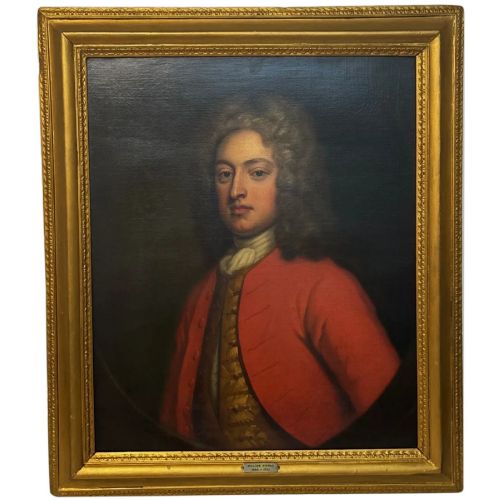
Grey framed art brings together centuries of paintings, drawings, and watercolours presented within wood frames. Pieces range from 18th-century portraits and landscapes to mid-century modern works and 1960s lithographs.
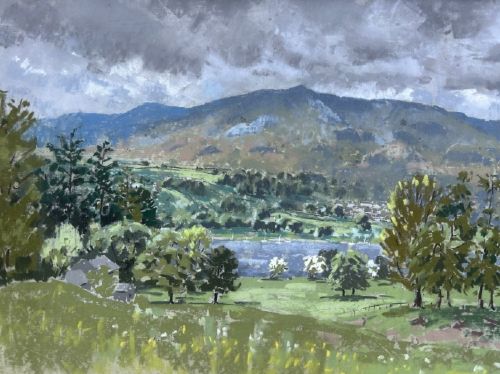
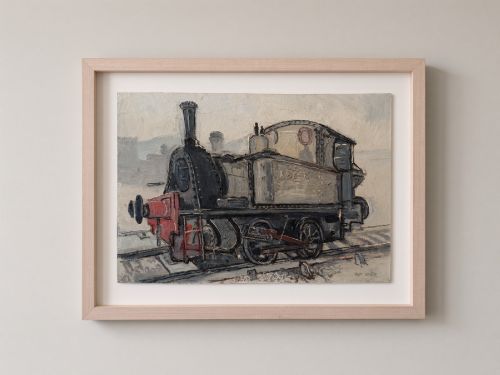
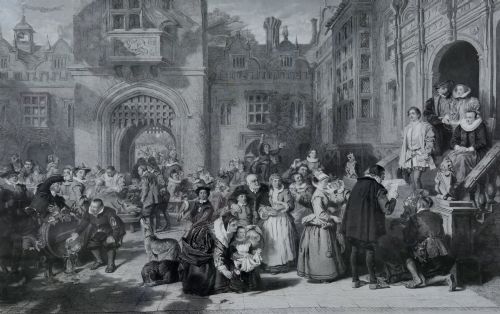
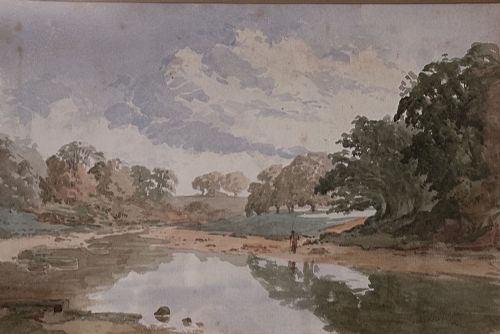
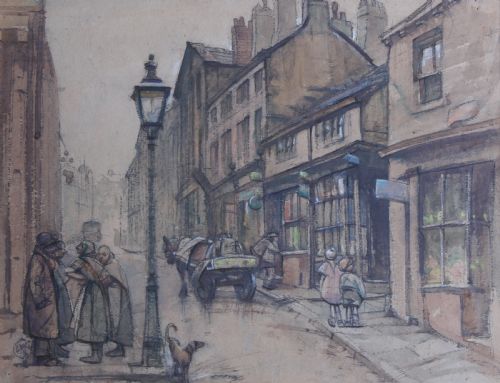
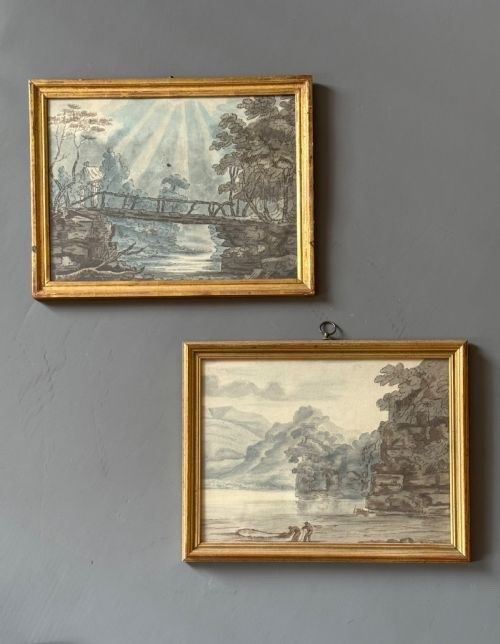
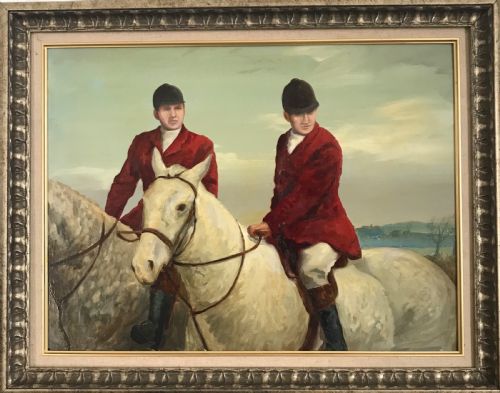
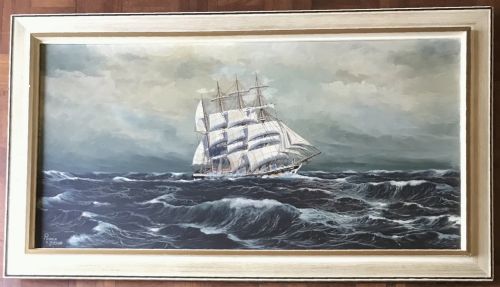
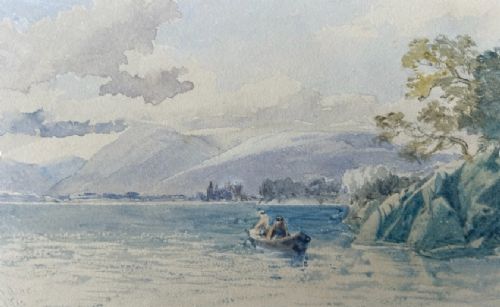
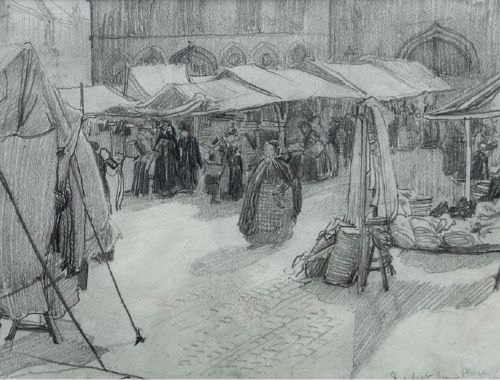
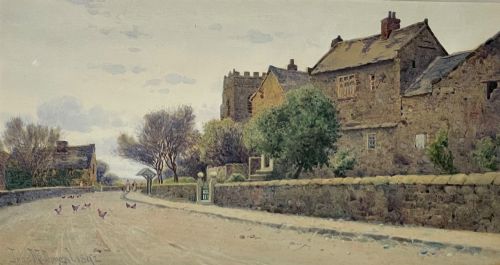
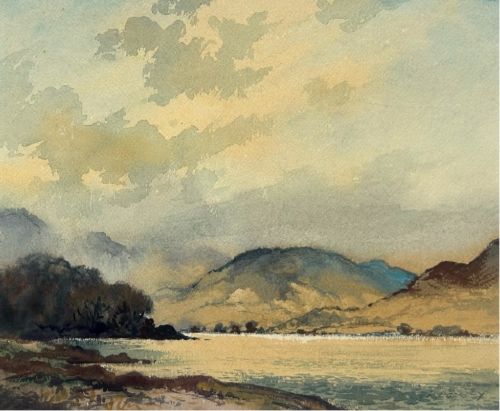
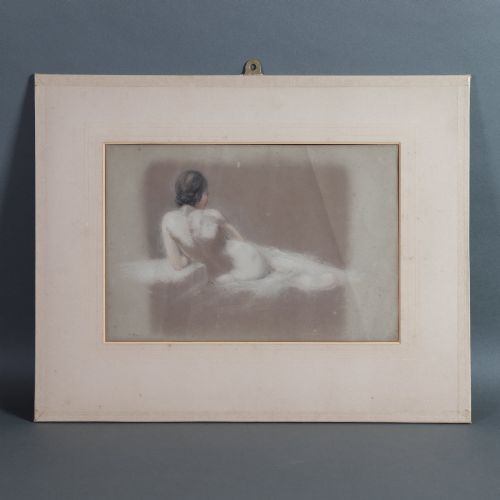
Buyers seeking grey framed art encounter diverse subjects including equestrian scenes, coastal views, and figurative studies. The selection spans British Impressionism, Victorian academic painting, and mid-century expressionism.
Works on paper, canvas, and board form the core of the selection. Each piece relies on the framing to define its presence on the wall.
Materials and construction
Artists painted and drew on paper, canvas, and wood panels using oil paint, watercolour, pastel, gouache, charcoal, and ink. These media dictate the texture and depth of each surface.
Wood frames enclose the artworks, frequently paired with glass to protect works on paper and delicate watercolours from environmental damage.
The inventory encompasses diverse stylistic traditions, including British Impressionism, Neoclassical portraiture, and mid-century expressionism.
Evaluating quality in the pieces
Quality rests in the handling of the medium, whether through confident brushwork in an oil painting or precise line work in a pencil drawing. Superior works demonstrate distinct authorial control over composition and light.
The relationship between the artwork and its wood frame influences the overall integrity of the piece. Balanced proportions and period-appropriate mounting elevate the presentation of the art.
Thomas Miles Richardson Jnr·Henry Percy Huggill·John McDougal·Robert Leslie Howey·William Etty·John E Aitken·Kenneth Cozens·Thomas Smythe·Lucy Pratt·Augustus John·Marc Chagall·Clive Browne·Peter Brannan·Paul Bret·John Michael Wright·James Fry·Thomas Maidment·Christine Nesbit·Brian Shields Braaq·William Albert Clarke·William Matthison·Stuart Walton·Lilian Colbourn
The Grey Framed Art Glossary
- Oil on Canvas
- Pigment suspended in drying oil applied to a woven fabric support. This technique allows for rich colour blending and textured impasto applications.
- Watercolour
- Pigment ground in a water-soluble binder, traditionally applied to paper. It creates transparent washes that capture light and atmosphere.
- Lithograph
- A printmaking process based on the antipathy of oil and water, utilising a flat stone or metal plate. Artists use this method to produce multiple original impressions.
- Gouache
- An opaque water-based paint consisting of pigment, water, and a binding agent such as glue. It yields solid, flat areas of colour distinct from transparent watercolour.
- Pentimento
- Visible traces of earlier painting beneath a layer of paint, revealing changes made by the artist during the creative process. This occurrence signals the authenticity of historical canvases.
Grey Framed Art: Frequently Asked Questions
What periods do these artworks cover?
The selection spans from the 17th century through the Victorian era into the mid-20th century. Pieces reflect prevailing artistic movements of their respective decades.
Examples range from early oil portraits to 1960s lithographs and modern British paintings.
How are works on paper protected?
Many watercolours, drawings, and prints are preserved beneath glass within wood frames. This barrier shields delicate media from dust and moisture.
Framing also provides structural support for paper and canvas supports over time.
What subjects appear in the paintings?
Common subjects include equestrian portraits, pastoral landscapes, coastal views, and figure studies. Artists documented rural life, sporting scenes, and townscapes.
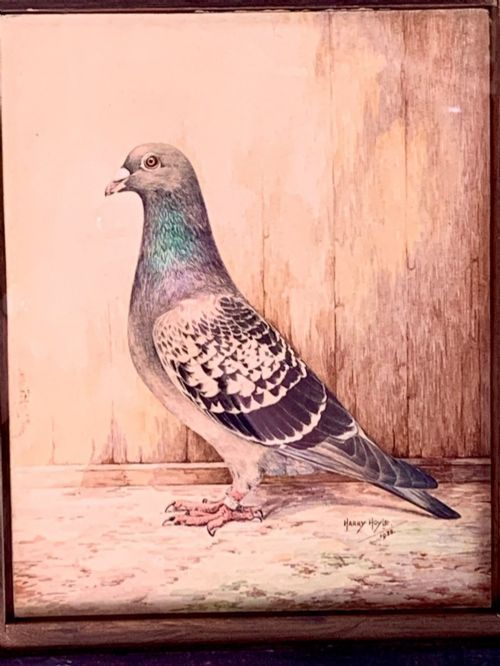
Individual pieces also feature symbolist portraits and detailed botanical or animal studies.
How do I identify the medium used?
Close inspection reveals the distinct characteristics of oil paint, watercolour, pastel, or charcoal. Canvas and wood panels display heavier textures than paper supports.
Signatures, dates, and framing styles often provide additional context regarding the creation method.