

Grey Frame Wall Art
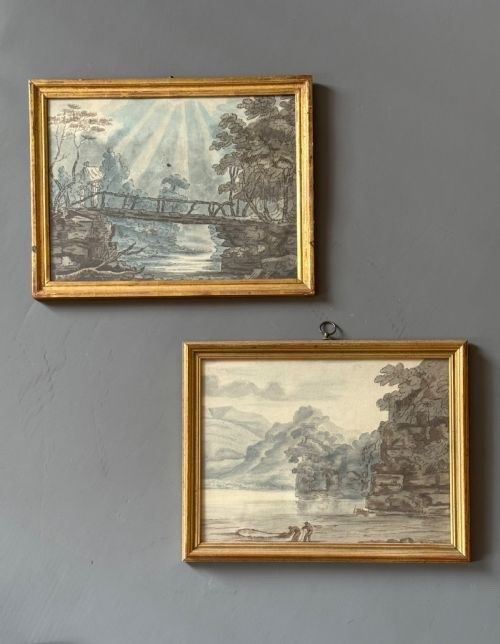
Grey frame wall art brings together historic paintings and drawings housed within protective surrounds.
Grey Frame Wall Art
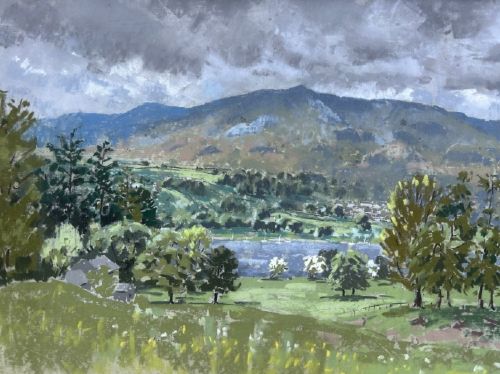
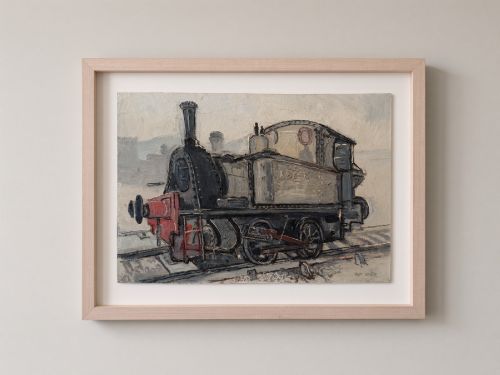
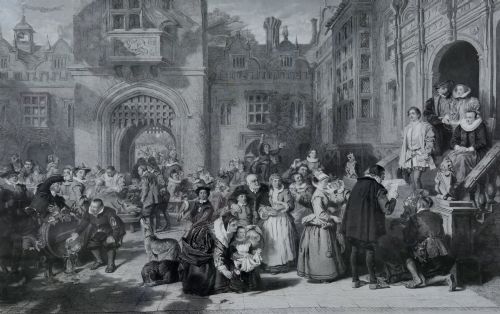
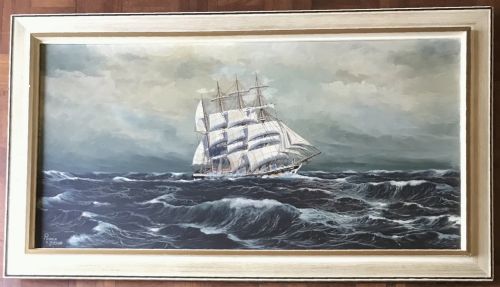
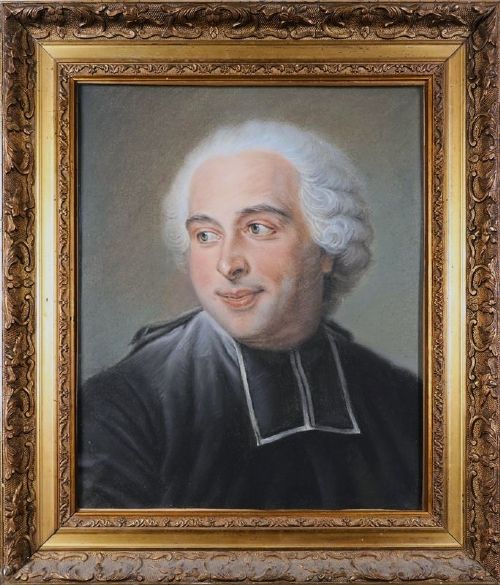
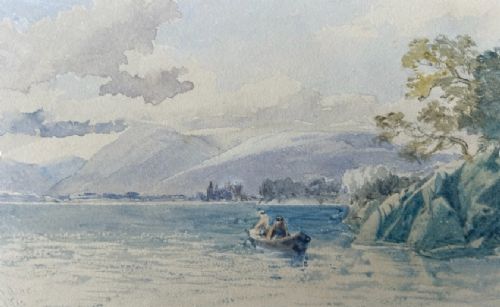
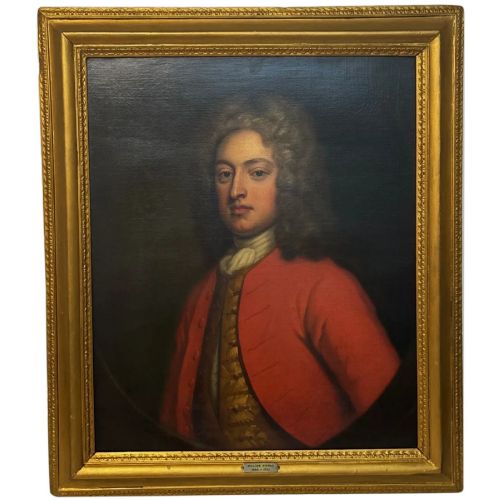
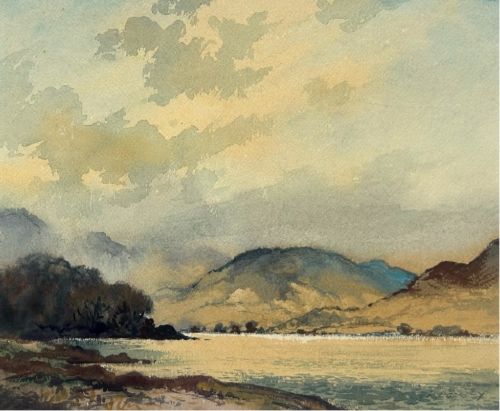
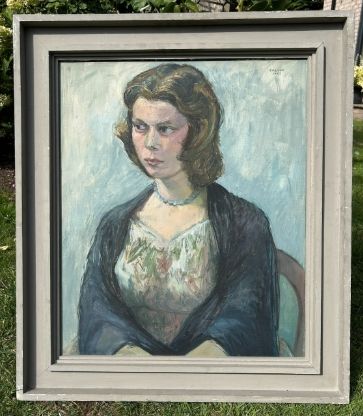
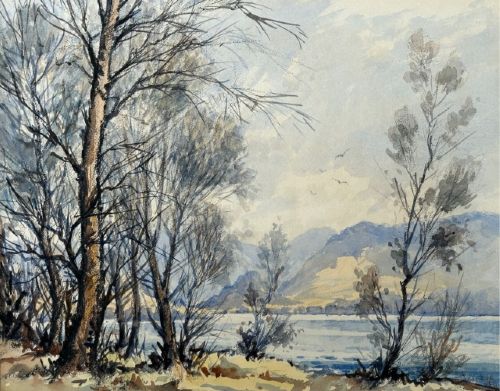
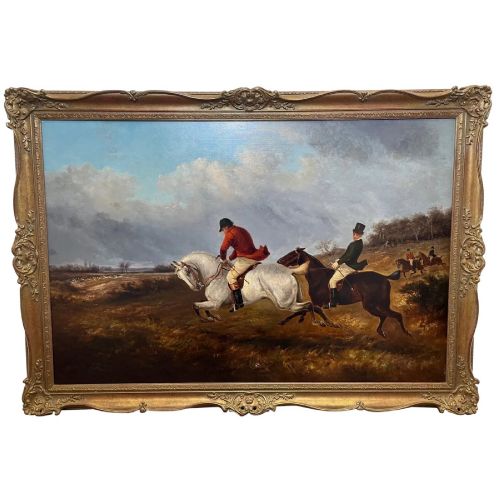
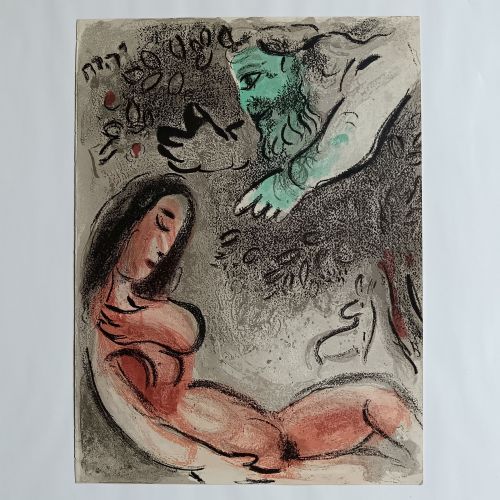
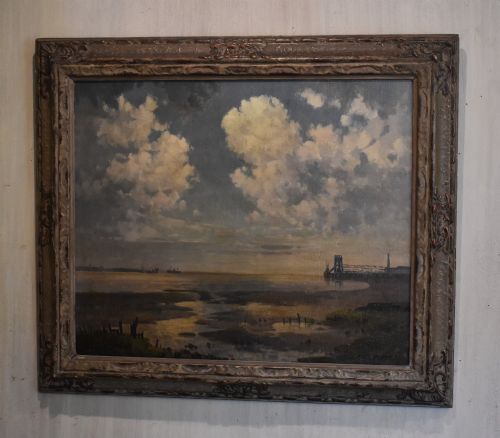
Grey frame wall art encompasses oil paintings, watercolours, pastels, and lithographs spanning from the 17th century through the mid-20th century. Buyers seeking this category encounter historic portraits, landscapes, and equestrian scenes enclosed in wooden surrounds.
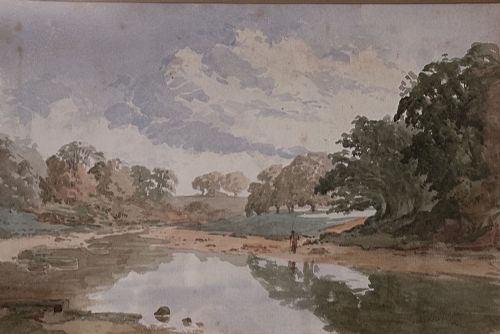
The selections on this page range from Victorian and Edwardian watercolours to 18th-century portraits and mid-century oil paintings. These pieces reflect diverse movements including British Impressionism, Modern British, and Art Deco styles.
Many works feature notable subjects such as grey horses, coastal views, and pastoral scenes. Each piece combines historic artistic execution with a framing style that complements the palette of the artwork within.
Materials and technique
Artists utilised oil paint on canvas, wood panel, and board alongside watercolour, pastel, and ink on paper. These traditional media were applied using fine brushes, impasto techniques, and pen strokes to build texture and depth.
The associated surrounds are constructed from wood, often housing glass to protect delicate works on paper such as watercolours and lithographs. Metal elements appear in specific decorative items like hammered wall mirrors from the Arts and Crafts period.
Keep an eye out for hidden horses and visiting cardinals sharing frame space across the centuries.
Judging the range
Quality in these works rests upon the skill of the draughtsman or painter in capturing proportion, light, and anatomical detail, particularly in complex equestrian and portrait subjects. The handling of medium, whether the fluid transparency of watercolour or the rich layering of oil paint, defines the visual impact.
The integrity of the physical components also distinguishes the selection, observing how well the wooden frame preserves the canvas, panel, or paper housed inside over centuries of change.
Thomas Miles Richardson Jnr·Robert Leslie Howey·John E. Aitken·Kenneth Cozens·Thomas Smythe·Marc Chagall·Clive Browne·Peter Brannan·Paul Bret·John Michael Wright·James Fry·Thomas Maidment·Christine Nesbit·Brian Shields Braaq·William Matthison·Stuart Walton·Lilian Colbourn·Florence Adelina Hess·John Moxon·F.J. Snell
The Grey Frame Wall Art Glossary
- Watercolour
- A painting method where fine pigment is suspended in a water-based solution and applied to paper. This medium allows for translucent washes and delicate tonal shifts.
- Lithograph
- A planographic printing process utilising a stone or metal plate to produce multiple impressions. Artists use this technique to create original graphic works on paper.
- Impasto
- Paint applied thickly to a canvas or board so that the strokes stand out from the surface. This technique adds tactile dimension and captures light dynamically.
- Gouache
- An opaque water-based paint containing pigment mixed with a binding agent and added white material. It yields solid, flat areas of colour with a matte finish.
- Pentimento
- An alteration in a painting evidenced by visible traces of previous brushstrokes beneath the finished layer. This occurrence reveals the artist changing their composition during the creative process.
Grey Frame Wall Art: Frequently Asked Questions
How do I identify the period of a painting?
Dating relies upon stylistic markers, costume details in portraits, and documented active years of the artist. Catalogued signatures and specific canvas preparations also provide chronological reference points.
Examinations of the framing materials and backing boards offer further clues regarding the age of the complete object.
What subjects are common in these historic works?
Equestrian portraits, pastoral landscapes, and coastal scenes dominate the available selections. Human portraits from various centuries also feature prominently across the collection.
Artists frequently recorded local scenery, sporting events, and domestic animals with careful observation.
How should I care for antique works on paper?
Items on paper require protection from direct sunlight to prevent fading of watercolours, pastels, and lithographs. Maintaining stable indoor humidity levels prevents warping and paper degradation.
Displaying pieces away from heat sources preserves the condition of both the artwork and its surrounding frame.
What is the difference between oil paint and watercolour?
Oil paint utilises slow-drying pigments suspended in drying oils, allowing artists to blend colours on the canvas over extended periods. Watercolour employs water-soluble media on paper, creating luminous and transparent effects.
Oil works generally require canvas or panel supports, whereas watercolours need paper protection beneath glass.