




Grey Cast Stone Sculptures
Grey cast stone sculptures bring classical presence and garden weight to exterior spaces through durable moulded aggregates.
Grey Cast Stone Sculptures
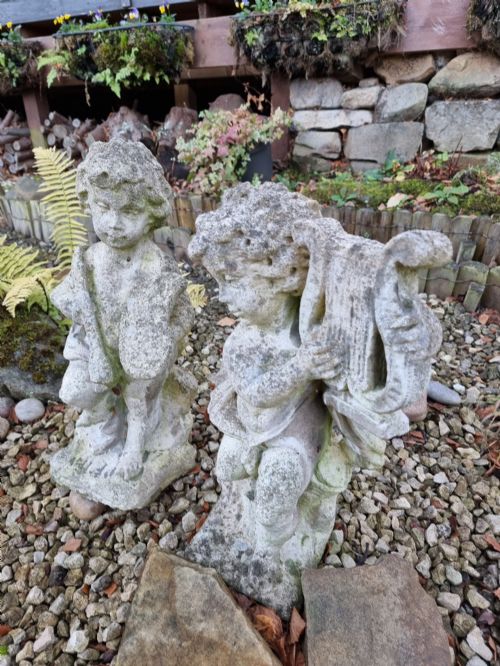
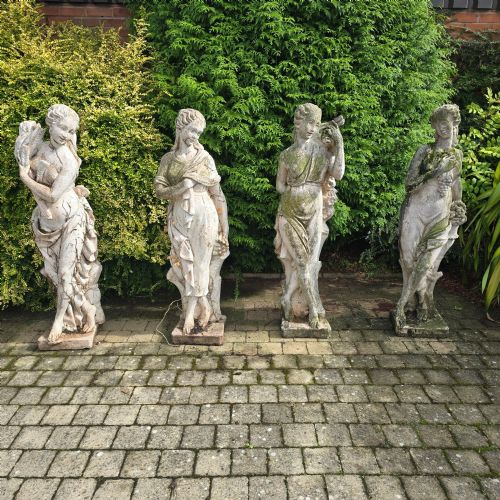
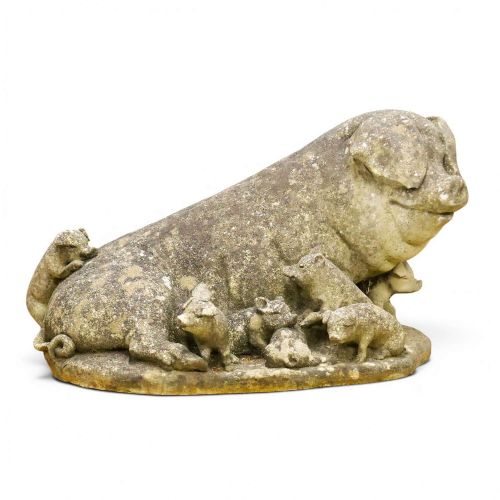
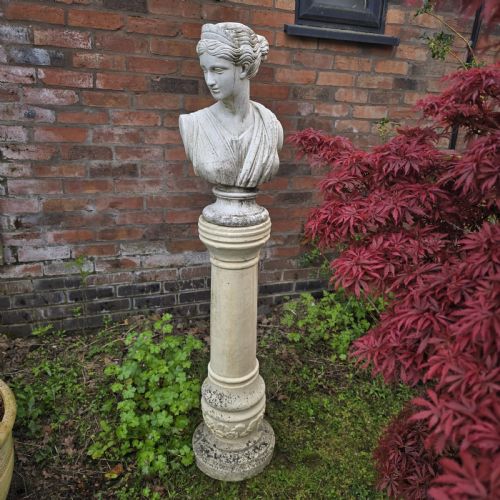
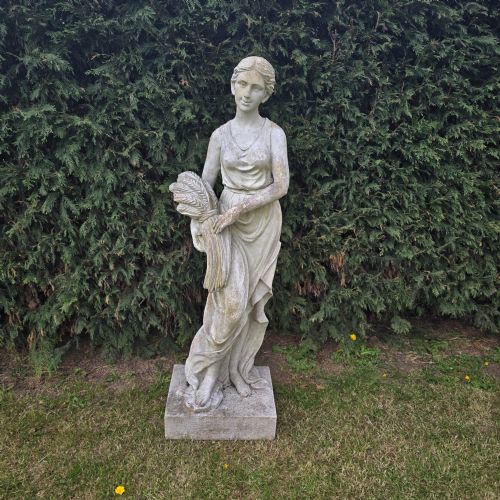
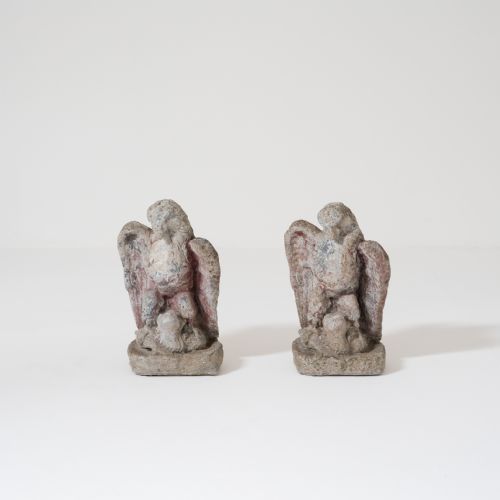
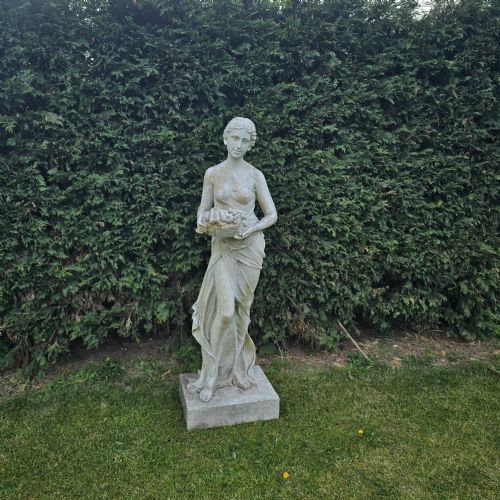
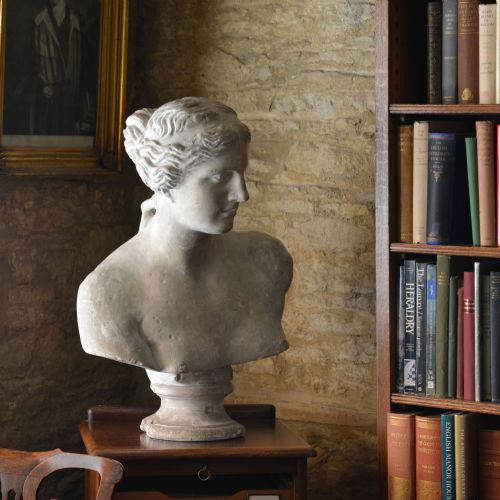
Grey cast stone sculptures encompass garden statuary, architectural antiques, and ornaments designed to weather naturally outdoors. When searching for grey cast stone sculptures, a buyer encounters figures ranging from life-sized allegorical representations of the seasons to classical busts and animal guardians.
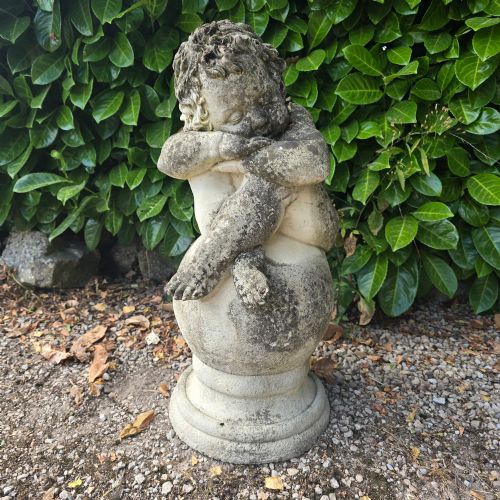
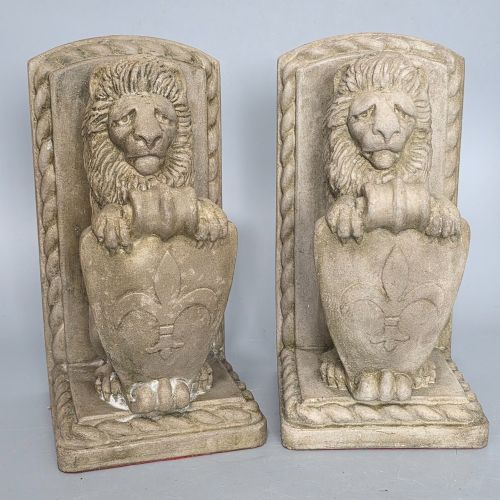
The pieces on this page originate from periods spanning the late nineteenth century through to the mid twentieth century, including Edwardian and 1950s examples. Garden statues of cherubs, lions, and classical ladies dominate the selections, alongside utilitarian bookends and wall plaques.
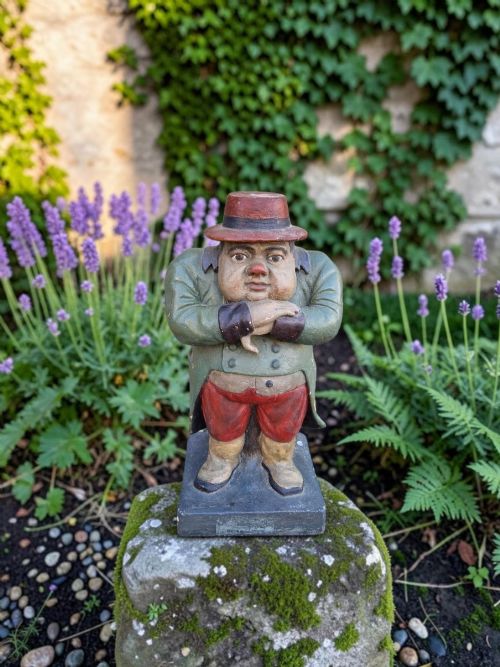
Moulded figures reflect neoclassical and classical revival aesthetics suited to English country house settings, alongside folk art interpretations and Southeast Asian classical forms. Buyers typically find substantial garden figures mounted on pedestals or plinths designed for landscape placement.
How they were made
Production relies upon binding aggregates such as crushed stone, marble dust, or sand with cement or plaster to create durable cast stone, reconstituted stone, and composition stone. Makers pour these mixtures into moulds to capture fine surface detail in cementitious or gypsum bases.
The resulting forms benefit from the inherent weather-resisting properties of concrete and stoneware materials. Finishes often incorporate surface patination achieved through weathering or applied treatments that simulate ancient stone.
Grey Cast Stone Sculptures Retail Price Guide 2026
Typical asking prices for grey cast stone sculptures among the pieces listed under this phrase on Sellingantiques today, from the lower quarter to the upper quarter. They describe what is for sale here now, not the wider market.
Listings feature grey cast stone sculptures spanning the nineteenth century through the 1950s, utilising reconstituted stone, concrete, and marble dust.
What varies in quality
The composition of the aggregate itself influences both the weight and the visual texture of the finished object. Superior pieces utilise dense mineral mixes that weather gracefully over decades, developing organic lichen and moss patination without structural degradation.
The Grey Cast Stone Sculptures Glossary
- Cast stone
- A building product manufactured from Portland cement, aggregate, and water, used to simulate natural cut stone. It provides a durable medium for detailed garden statuary.
- Reconstituted stone
- A material created by binding crushed natural stone with cementitious adhesives. This technique allows makers to cast complex figurative sculptures efficiently.
- Composition stone
- A proprietary or general term for moulded stone aggregates used in architectural and decorative objects. It yields heavy garden ornaments capable of withstanding frost.
- Neoclassical
- A style inspired by the classical art and architecture of ancient Greece and Rome. Sculptures in this tradition emphasise restrained grandeur, balanced proportions, and mythological subjects.
- Plinth
- A heavy base or pedestal supporting a statue, bust, or urn. It elevates garden ornaments above ground level for improved display.
Grey Cast Stone Sculptures: Frequently Asked Questions
Where should grey cast stone sculptures be placed?
These heavy garden figures suit focal points in garden layouts, such as terrace corners, pathway intersections, or framed views at the end of lawns. Placing them on stone pedestals or plinths helps elevate the sculpture and protects the base from damp ground.
Positioning them near evergreen planting allows the grey stone tones to stand out during winter months when foliage thins. Ensure the supporting ground is level and firm to bear the substantial weight of cast stone.
How do I clean weathered garden statues?
Gentle washing with water and a soft brush removes accumulated dirt without damaging the porous surface of the stone. Avoid harsh chemical cleaners or pressure washers that can strip away desirable organic patination and erode the outer aggregate.
Allowing lichens and mosses to remain often enhances the antique character of nineteenth and twentieth century garden ornaments. Regular gentle maintenance preserves both the material integrity and the aged appearance.
How can I tell the period of a stone sculpture?
Dating relies upon examining the style of the modelling, the mounting hardware, and the specific composition of the stone aggregate. Edwardian and early twentieth century pieces frequently exhibit classical revival details associated with traditional English country house gardens.
Mid twentieth century examples, including 1950s productions, often utilise standard industrial cement mixes with distinct surface textures. Comparing the subject matter against known historical manufacturing catalogues helps narrow down the era of production.
Are these sculptures frost resistant?
Most cast stone, reconstituted stone, and concrete pieces withstand normal winter freezing conditions if water does not collect in structural crevices. Dense mineral compositions absorb less moisture, reducing the risk of cracking during severe frost.
Elevating statues off the soil using plinths prevents moisture from drawing up through the base. In particularly harsh climates, vulnerable items may benefit from being moved under protective cover during the coldest months.