





Green Toleware Light
These green toleware light pieces combine painted metal shades with brass and gilt metal fittings, offering period illumination for classical interiors.
Green Toleware Light
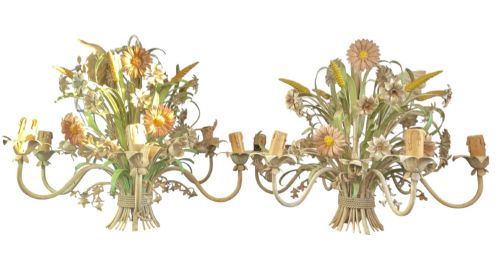
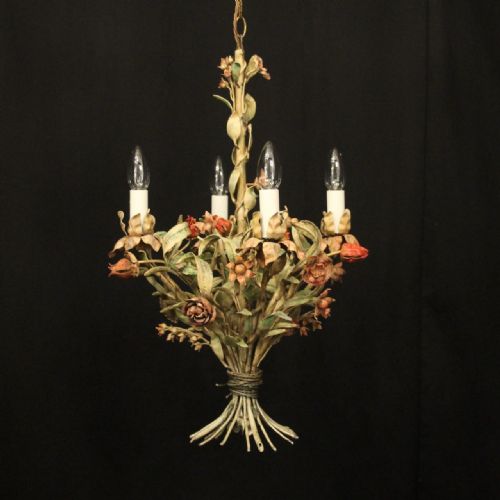
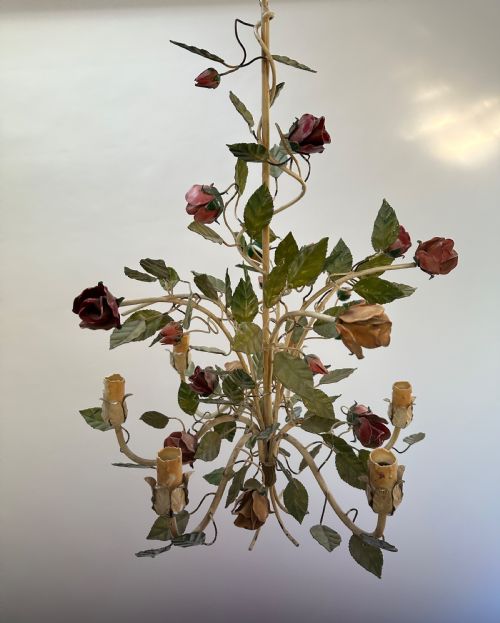
When you search for a green toleware light, you encounter painted metal lighting fixtures originating mainly from France and Italy across the nineteenth and twentieth centuries. The selection ranges from adjustable desk lamps and bouillotte table lamps to multi-light chandeliers and wall sconces.
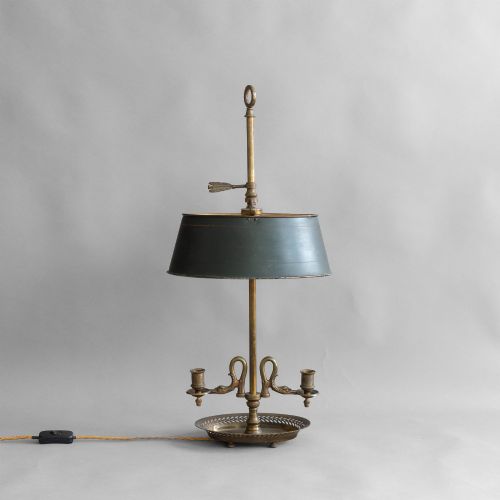
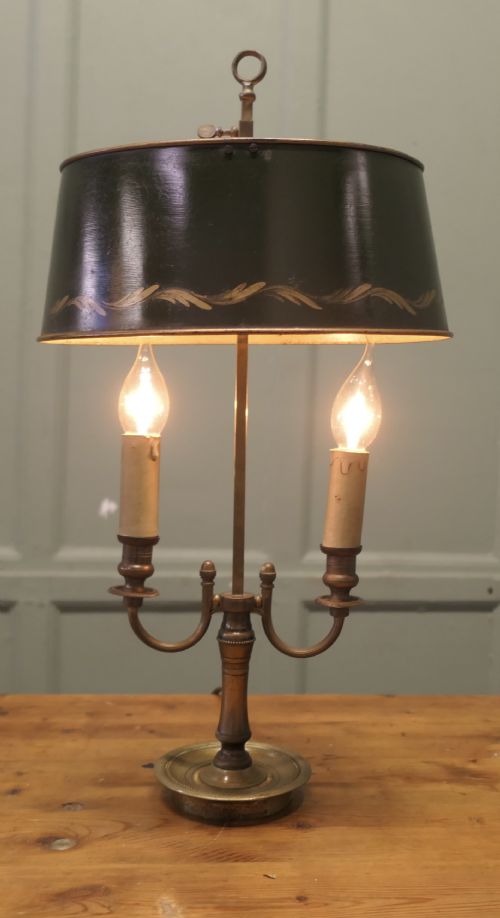
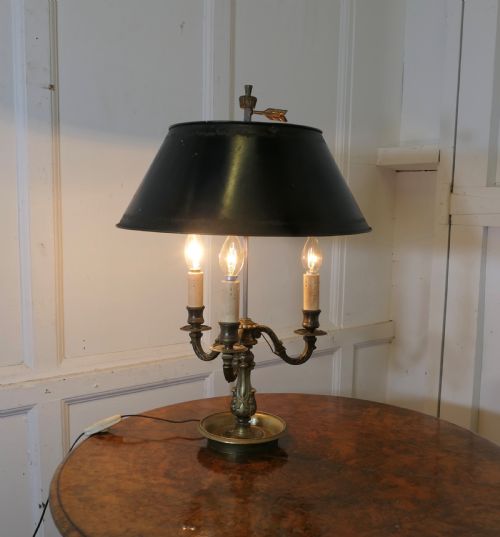
The version you are most likely to meet on this page is a bouillotte desk lamp featuring a green painted metal shade paired with brass or gilt metal columns. These pieces often incorporate candle-style fittings and adjustable shades designed for task illumination.
How they were made
Makers formed these items using sheet metal, iron, and brass, shaping the metal components into shades, drip pans, and structural columns. Artisans applied painted finishes, frequently in green tones, sometimes complemented by gilt details or polychrome floral decoration.
Assembly involved combining turned brass shafts with painted toleware shades, securing them with threaded fittings and incorporating electrical wiring or candleholders depending on the period of production.
Green Toleware Light Retail Price Guide 2026
Typical asking prices for green toleware light among the pieces listed under this phrase on Sellingantiques today, from the lower quarter to the upper quarter. They describe what is for sale here now, not the wider market.
Listings feature items spanning the Victorian era through the 1940s, utilising brass, iron, and painted toleware.
What varies in quality
The distinction between standard and superior examples rests on the fineness of the metalwork, the weight of the brass castings, and the execution of the painted finish. Heavier gauge metal and crisp hand-painting separate finer workshop output from simpler commercial pieces.
Proportion and the integration of brass components with the painted metal shades dictate the visual balance of each fixture. More elaborate lamps utilise multi-light configurations and cast mounts rather than plain turned stems.
The Green Toleware Light Glossary
- Toleware
- Painted or lacquered metalware originating in France and Britain. The technique involves applying enamel paint to tin or iron objects.
- Bouillotte lamp
- A type of adjustable shaded desk lamp featuring multiple candle arms. It derives its name from the card game bouillotte.
- Wall sconce
- A lighting fixture fixed to a wall surface rather than standing on a table or hanging from a ceiling. These often feature matching backplates and arms.
- Gilt metal
- Metal coated with a thin layer of gold leaf or gilt paint to simulate solid gold. It provides reflective highlights on lamp bases and arms.
Green Toleware Light: Frequently Asked Questions
What is a bouillotte lamp?
A bouillotte lamp is a traditional desk or table lamp featuring a central shaft, multiple candle arms, and an adjustable painted metal shade. The shade moves up and down the stem to direct the light.
These pieces were originally designed for card playing and writing desks, providing focused illumination onto a work surface.
How do I clean green toleware?
Cleaning requires a soft, dry cloth to remove dust from the painted metal surfaces and brass components. Avoid harsh chemical cleaners that can damage the painted finish.
Water and abrasive sponges should be kept away from antique painted metal to preserve the original pigment and lacquer.
Are these lights wired for modern use?
Many surviving examples have been adapted with modern electrical wiring to function as standard table lamps and wall fixtures. Some retain older electrical components or candle fittings.
Buyers should inspect the internal wiring of each piece and consult a qualified electrician to ensure safety compliance before installation.
How do I date a toleware light?
Dating relies on examining the manufacturing techniques, metal types, screw threads, and wiring styles used in the construction. Pieces from the nineteenth century often show hand-forged iron elements and older fasteners.
Twentieth-century examples tend to feature standardised brass fittings and machine-formed sheet metal components.