

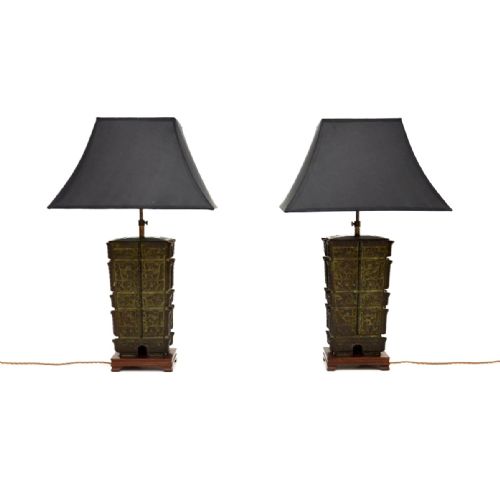


Green Patinated Table
These green patinated table pieces bring verdigris surfaces and patinated metal into a room, offering a distinct finish that collectors prize for its visual depth.
Green Patinated Table
A green patinated table selection brings together works defined by patinated metal, bronze, and brass surfaces, spanning periods from the nineteenth century into the twentieth. When you search for a green patinated table, you encounter coffee tables, lighting bases, and rustic farmhouse dining furniture finished in distinct green tones.
The objects on this page range from nineteenth-century ebonised giltwood coffee tables inset with malachite to rustic farmhouse tables finished in distressed green paint. Alongside furniture, the listings include patinated brass table lamps, bronze oriental lamp bases, and green marble effect bronze pieces.
Origins stretch across Chinese antique styles, French Empire designs, and Arts and Crafts movements, alongside Khmer style works and Empire Revival pieces. You are most likely to meet twentieth-century coffee tables and turn-of-the-century lighting options among these varied forms.
Materials and construction methods
Makers utilised cast bronze, brass, and patinated metal to create the structural foundations and decorative figures, frequently applying chemical treatments to achieve aged green verdigris surfaces. Wood forms incorporate walnut, ebonised wood, and giltwood, occasionally paired with panels of malachite and glass.
Surface treatments combine applied patination with distressed paint applications, as seen on rustic farmhouse furniture and giltwood frames. Details range from ormolu mounts on nineteenth-century clock cases to silk suspension movements and hand-finished bronze sculptures.
Green Patinated Table Retail Price Guide 2026
Typical asking prices for green patinated table among the pieces listed under this phrase on Sellingantiques today, from the lower quarter to the upper quarter. They describe what is for sale here now, not the wider market.
Table lamps and coffee tables dominate the object types, complemented by mantel clocks and bronze sculptures.
Evaluating quality and execution
Quality reveals itself in the depth and stability of the chemical patina or painted surface, distinguishing deliberate ageing from crude overpainting. Finely cast bronze and brass elements display crisp relief details and clean joints, whereas lower tiers show softened casting lines.
In composite pieces, the integration of malachite panels, glass, and ebonised wood determines the overall standard of craftsmanship. Original fittings and uncompromised structural timber elevate pieces above those altered during later conversions.
The Green Patinated Table Glossary
- Patina
- The surface transformation and coloration resulting from age, wear, or chemical treatment applied to metal or wood. On bronze and brass, this often appears as green verdigris.
- Ormolu
- Gilt bronze mounted onto furniture, clocks, or decorative objects, created by applying a mercury and gold amalgam to cast bronze. This technique was popular in French Empire and neoclassical design.
- Ebonised wood
- Timber treated with a stain or finish to imitate ebony, providing a dense black contrast to giltwood, bronze, and green patinated surfaces.
Green Patinated Table: Frequently Asked Questions
How should I clean patinated metal?
Patinated metal requires gentle dusting with a dry cloth to preserve the chemical or applied surface colouring.
Avoid abrasive polishes or harsh chemical cleaners that strip away the aged finish and expose bare metal underneath.
Are these pieces from the nineteenth century?
The listings include works originating from the nineteenth century alongside pieces produced across early twentieth-century decades.
Date attributions rely on stylistic markers, construction techniques, and materials such as ormolu, silk suspension movements, and ebonised wood.
How do I identify French Empire style?
French Empire style pieces incorporate classical motifs, heavy bronze mounts, and formal symmetry inspired by antiquity.
This aesthetic often pairs patinated metal with giltwood or dark woods to create a grand decorative effect.