



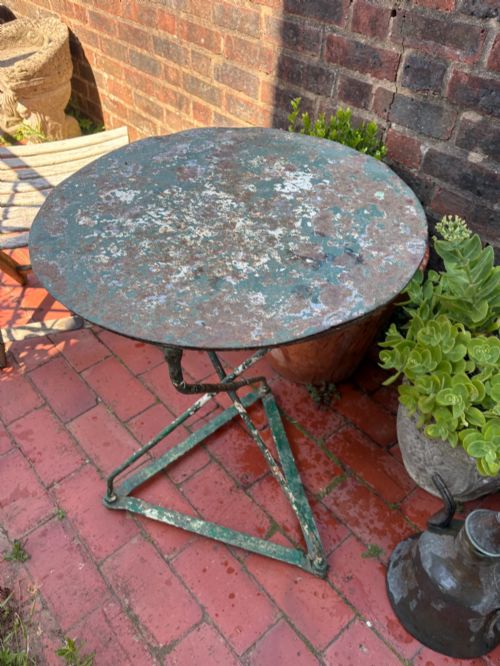


Green Iron Table
A green iron table brings robust utility and enduring garden style to interior and exterior spaces alike.
Green Iron Table
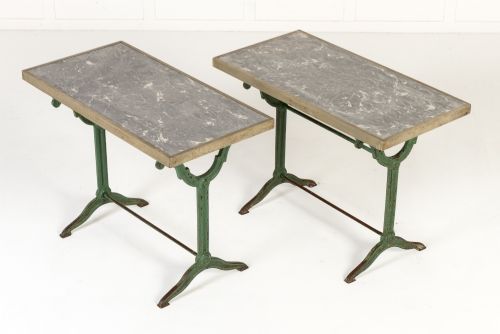
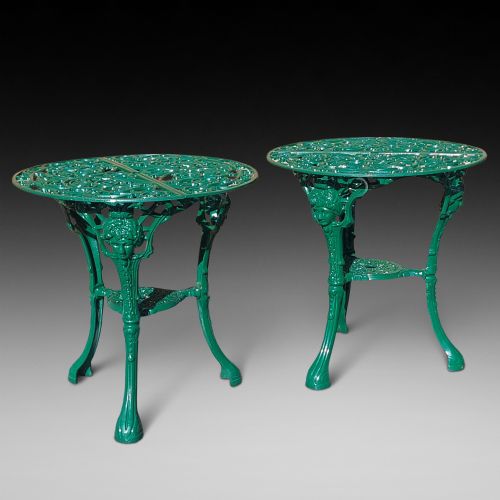
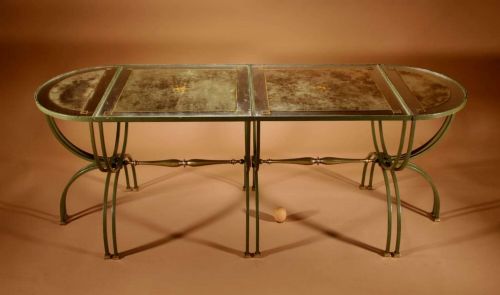
A green iron table encompasses practical garden tables, bistro pieces, and robust pub furniture originating from periods spanning the nineteenth century through the early twentieth century. Buyers seeking a green iron table frequently encounter French bistro designs, pub tables, and versatile garden pieces designed for both indoor and outdoor use.
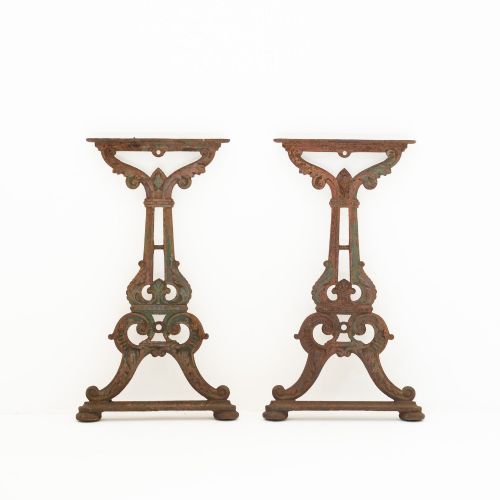
The selection ranges from compact round guéridon tables and console tables to heavier cast iron table bases paired with pine or marble tops. Examples often display weathered green paint surfaces that highlight their industrial or garden heritage.
Forms include occasional tables, coffee tables, and folding garden tables, reflecting diverse domestic and commercial origins across Victorian, Edwardian, and Art Deco periods.
What varies in quality
Quality depends upon the crispness of the iron casting and the integrity of the structural joints, distinguishing utilitarian pieces from finer decorative examples. Finer specimens exhibit well-defined moulding on bases and careful integration with complementary stone or glass tops.
The condition and age of the painted surface significantly affect character, with original patination holding greater appeal than later repainting. Heavier gauge ironwork and intact original components elevate the standard of individual pieces.
Green Iron Table Retail Price Guide 2026
Typical asking prices for green iron table among the pieces listed under this phrase on Sellingantiques today, from the lower quarter to the upper quarter. They describe what is for sale here now, not the wider market.
Listings feature pieces spanning the Victorian, Edwardian, and Art Deco periods, utilising cast iron, wrought iron, brass, marble, and pine.
The Green Iron Table Glossary
- Cast iron
- A strong, hard alloy made by pouring molten iron into a mould. It provides the heavy, durable foundations seen on many garden and pub tables.
- Guéridon
- A small French round table, typically supported by a central pillar or tripod base. These often feature in bistro and cafe settings.
- Wrought iron
- Iron that is heated and hammered into shape by hand, resulting in a fibrous structure. It allows for more flexible, curved decorative forms than cast iron.
- Bistro table
- A small café or garden table designed for compact spaces. They frequently pair metal bases with stone, marble, or wooden tops.
Green Iron Table: Frequently Asked Questions
Can I leave a green iron table outside?
Many of these pieces originated as garden or patio furniture designed to withstand outdoor conditions. However, monitoring weather exposure helps preserve original painted surfaces and prevents underlying metal oxidation.
Protecting tables during harsh winter months or damp conditions maintains the integrity of attached wooden or marble tops, ensuring the piece survives in good order.
How do I clean a painted iron table?
Gentle dusting and wiping with a soft, damp cloth removes everyday dirt without disturbing aged paint layers. Avoid harsh chemical cleaners that might strip historical finishes or damage vulnerable surfaces.
Applying a light coat of protective wax to unpainted metal or sealed surfaces can help deter moisture. Regular, gentle maintenance preserves the authentic character of the original paintwork.
Are marble tops original to these tables?
Marble and stone tops frequently accompanied nineteenth and early twentieth century cafe and garden tables for their durability and cool surface. Evaluating how the top rests on the iron base helps determine whether materials period-match.
Some bases survived independently and were later paired with replacement stone or wooden boards. Examining the fit and weight distribution provides insight into the history of the piece.
How do I date an iron table?
Stylistic details such as Victorian ornamentation, Art Deco geometric lines, or Edwardian industrial forms offer primary clues to age. Manufacturing marks and the method of iron casting also assist in determining the period of production.
Comparing construction techniques against established design eras helps narrow down the decade of manufacture. Hardware elements like bolts and rivets further clarify the manufacturing timeline.