

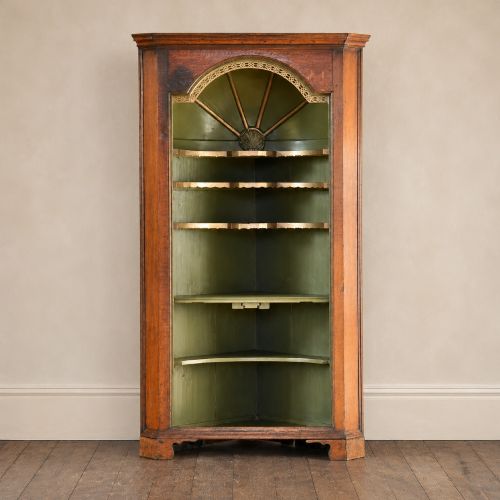
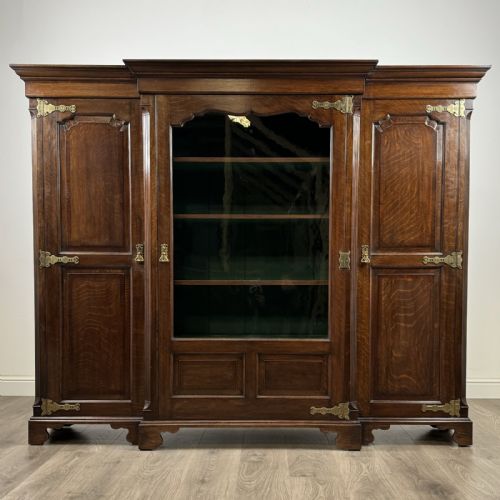
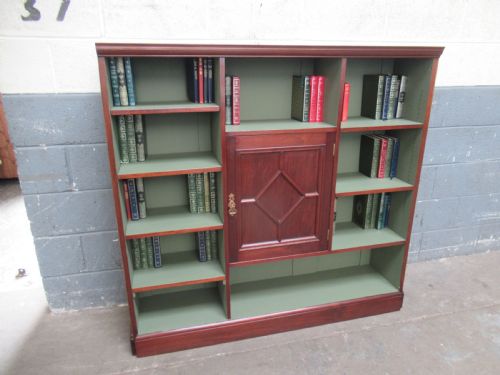


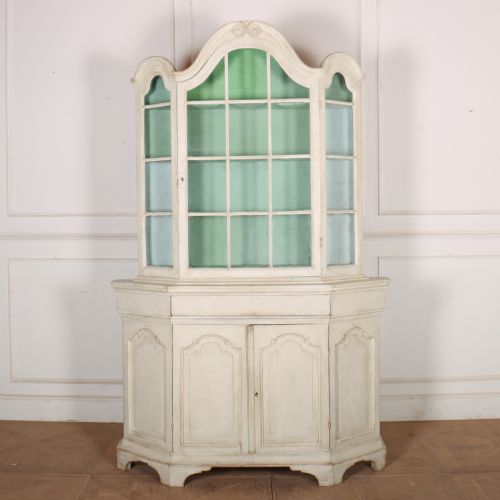


Green Interior Cabinet
A green interior cabinet brings a flash of hidden colour to timber furniture, catching the eye the moment the glazed doors swing open.
Green Interior Cabinet
A green interior cabinet spans centuries of storage furniture, appearing as display cabinets, bookcases, wardrobes, and corner cupboards designed to frame books or porcelain against a contrasting painted backdrop.
The pieces listed on this page range from 18th Century Dutch glazed display cabinets and Georgian painted corner cupboards to Edwardian oak display pieces and walnut bookcases from the 19th Century.
Buyers seeking this phrase most frequently encounter Edwardian oak and mahogany designs alongside earlier Dutch painted vitrines and Victorian oak furniture featuring glazed or open fronts.
Materials and construction
Makers built these pieces using solid timbers like oak, walnut, mahogany, and pine, often combining glass panels with brass hardware to secure and accent the doors.
Paint serves as both an exterior finish on pieces such as French concave glass bookcases and Georgian corner cupboards, and as the signature treatment for the inner lining that defines the search phrase.
Glazing techniques range from simple rectangular panes in Edwardian display cabinets to curved glass in French provincial bookcases and traditional leaded or multi-pane arrangements in 18th Century Dutch vitrines.
Green Interior Cabinet Retail Price Guide 2026
Typical asking prices for green interior cabinet among the pieces listed under this phrase on Sellingantiques today, from the lower quarter to the upper quarter. They describe what is for sale here now, not the wider market.
A painted interior lets a quiet oak cabinet keep a secret splash of vibrant colour tucked behind its glass doors.
What drives quality
The standard of timber selection and cabinetmaking determines the merit of these pieces, separating sturdy, well-proportioned structures from heavier, less refined builds.
The execution of the painted interior and the preservation of original glass or brass fittings dictate how successfully the piece holds its historic character.
Proportion and silhouette play a central role, distinguishing simpler utilitarian cupboards from finely detailed Arts and Crafts walnut bookcases or Dutch Rococo glazed display cabinets.
The Green Interior Cabinet Glossary
- Vitrine
- A glass-fronted cabinet designed for displaying fine porcelain, curiosities, or books. These pieces often feature contrasting interior paint to highlight the objects stored within.
- Secretaire
- A desk featuring a fold-down writing flap that conceals small drawers and pigeonholes. This form occasionally incorporates specialised display spaces above the writing surface.
- Concave glass
- Curved glass panes used in specialised cabinet doors to soften the corners of a room. This technique requires expert glassbending to fit bespoke frames.
- Glazed display cabinet
- A storage piece fitted with glass doors to protect collections from dust while keeping them visible. Such furniture relies on internal paintwork to create depth behind the shelves.
Green Interior Cabinet: Frequently Asked Questions
What periods do these cabinets come from?
The selection spans pieces from the 18th Century, 19th Century, and early 20th Century, including Georgian, Victorian, Edwardian, and 1920s examples.
Craftsmanship and materials shift across these eras, moving from solid painted pine and walnut to later oak and mahogany builds.
Are the green interiors original?
Some pieces retain historic paint finishes inside their glazed or open compartments, while others reflect later restoration or period-appropriate decorative choices.
Examining the wear and pigment helps determine whether the colour dates to the construction of the cabinet.
What wood types are most common?
Oak, walnut, mahogany, and pine appear frequently across the listed bookcases, wardrobes, and display cabinets.
Timber choice often aligns with the period, from 18th Century Dutch painted surfaces to Edwardian oak display furniture.
How were these cabinets used historically?
Owners utilised them to house valuable books, display prized ceramics, or store garments while keeping contents safe behind glass or timber doors.
The painted interior acted as a backdrop to make collections stand out when the cabinet doors opened.