


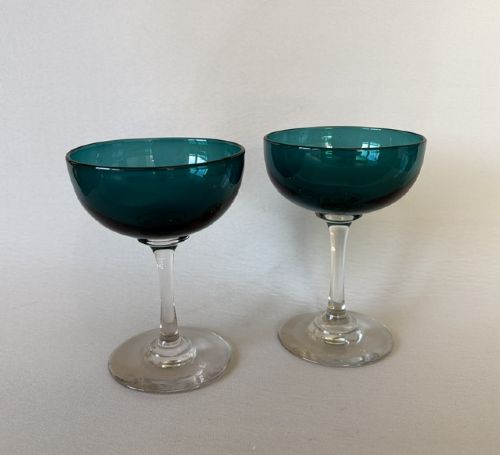



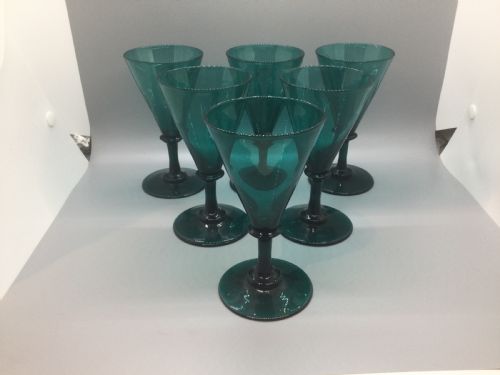


Green Glassware Set
A green glassware set brings striking depth and colour to a table, combining brilliant hues with historic craftsmanship.
Green Glassware Set
A green glassware set encompasses matched groupings designed for dining, display, and dressing tables, spanning periods from the Georgian era through to the 1930s. Buyers searching for a green glassware set encounter forms ranging from wine glasses and cordial sets to decanters, garnitures, and pickling jars.
The selections available include English Bristol glass, Bohemian roemers, and Theresienthal crystal, reflecting styles from Victorian and Edwardian periods to Art Deco and Biedermeier. These groupings bring together matching pieces that served specific domestic functions in European and English households.
How they were made
Many of these pieces utilise blown glass and hand-blown glass techniques, shaped while molten to create distinctive vessel forms such as tulip wine glasses and roemers. Cut glass methods produce faceted surfaces that catch the light through the green coloration of the material.
Decoration often involves enamel, gold leaf, and overlaid portraits, applied by hand to the glass surface. Factories and workshops employed specialised enamelling and painting techniques to embellish the glass before final firing.
Green Glassware Set Retail Price Guide 2026
Typical asking prices for green glassware set among the pieces listed under this phrase on Sellingantiques today, from the lower quarter to the upper quarter. They describe what is for sale here now, not the wider market.
Pickling jars once reserved for preserves now find new life displaying vibrant green glass collections on kitchen shelves.
What varies in quality
The fineness of the glass body and the precision of the cut or blown form distinguish different grades of these objects. Thinner walls, balanced proportions, and heavier crystal indicate elevated standards of production.
The crispness and preservation of enamel decoration and gold leaf details determine the visual impact of decorated sets. Intricate hand-painting and intact overlay work separate standard production items from finer studio or factory pieces.
Theresienthal·Moser·Salviati
The Green Glassware Set Glossary
- Roemer
- A traditional Germanic wine glass featuring a large bowl resting on a cylindrical stem decorated with prunts. These stemware pieces often appear in pale green glass from Bohemian workshops.
- Bristol glass
- English glass produced in the Bristol region, famous for its deep green coloration. It frequently appears in Georgian and Victorian wine glass sets.
- Enamel decoration
- Opaque glass paste applied to the surface of glassware and fused by heat. It provides colourful painted motifs on cordial and hock glasses.
- Garniture set
- A matched group of ornamental vessels, such as jars or vases, displayed together on a mantelpiece or furniture top.
- Biedermeier
- A Central European style dating to the mid-nineteenth century characterised by clean lines and domestic utility. Pieces from this era focus on functional elegance rather than excessive ornamentation.
Green Glassware Set: Frequently Asked Questions
What is a green glassware set used for?
These sets serve various functional and decorative purposes around the home, from serving wine and cordials during meals to organising dressing table essentials. Decanter sets provide a coordinated way to pour liquor, while garnitures and jars add colour to interior displays.
Historically, matched sets allowed hosts to present a unified table setting for guests. Today, they function both as usable tableware and as decorative accents that highlight period interiors.
How do I identify Georgian green glassware?
Georgian pieces often feature deep Bristol green hues, heavier pontil marks on the base, and hand-blown forms with slight irregularities. The silhouettes tend to be simpler and heavier than later Victorian or Edwardian counterparts.
Examining the weight, the depth of the colour, and the construction of the stem helps distinguish eighteenth and early nineteenth-century work from later revivals.
What is the difference between Bohemian and English green glass?
Bohemian glass often incorporates elaborate cutting, overlay techniques, and enamelling, as seen in nineteenth-century roemers and portrait trios. English production from centres like Bristol typically focuses on rich, uniform body colour with minimal surface distraction.
Regional differences in furnace formulas also created distinct shades of green, ranging from pale tones to deep emerald.
How should I care for antique green glassware?
Hand washing in lukewarm water with mild soap is essential for preserving delicate enamel and gold leaf decorations. Dishwashers and harsh detergents can damage the surface finish and remove painted details over time.
Storing pieces away from direct sunlight protects the coloration and prevents thermal shock during handling.