


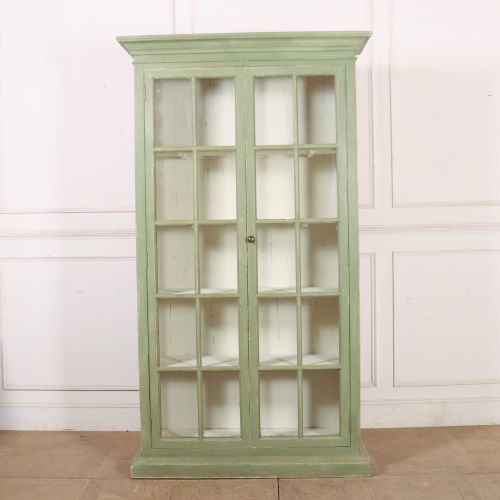


Green Glass Cabinet
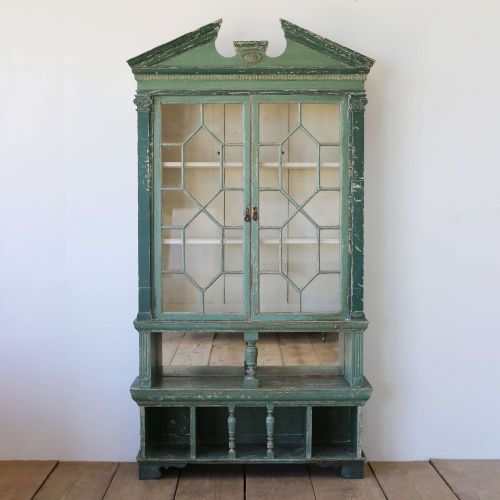
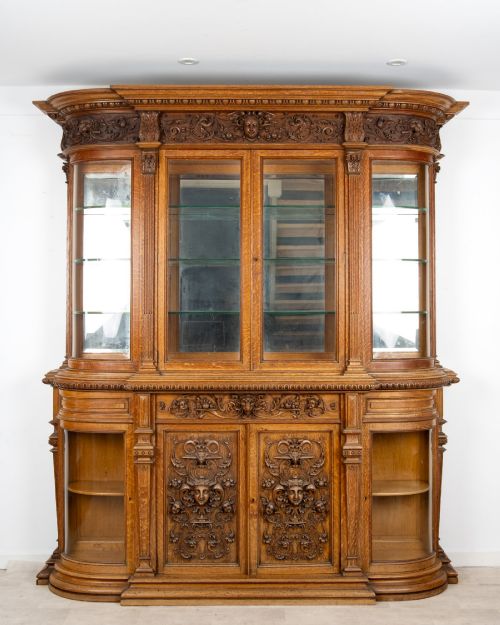
A green glass cabinet offers a clear view inside, housing everything from delicate ceramics to mounted specimens.
Green Glass Cabinet
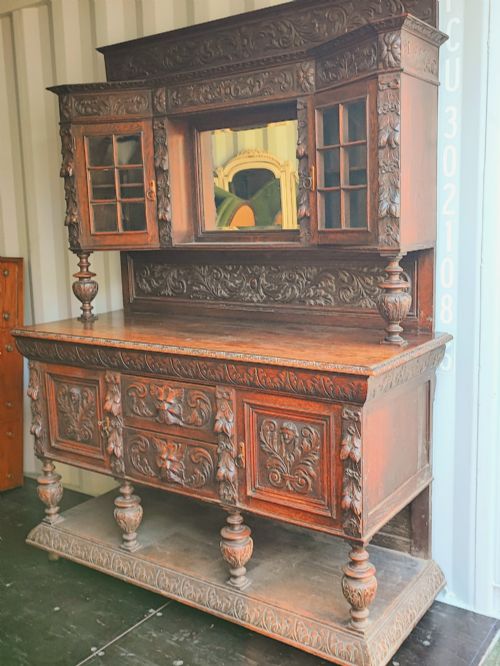
When you search for a green glass cabinet, you are looking at glazed display furniture designed to showcase collections behind transparent panels. The pieces on this page span the nineteenth and early twentieth centuries, covering periods from the Victorian era through Edwardian times to the nineteen-twenties.
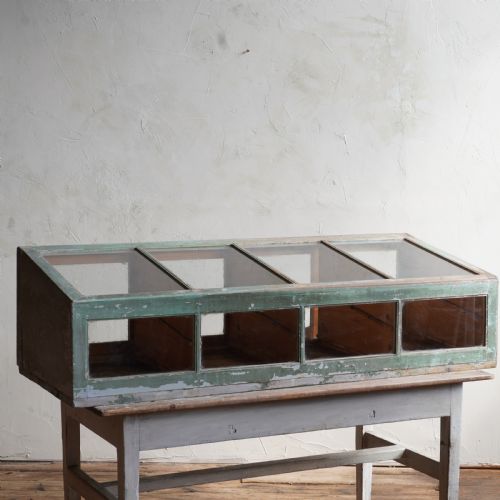
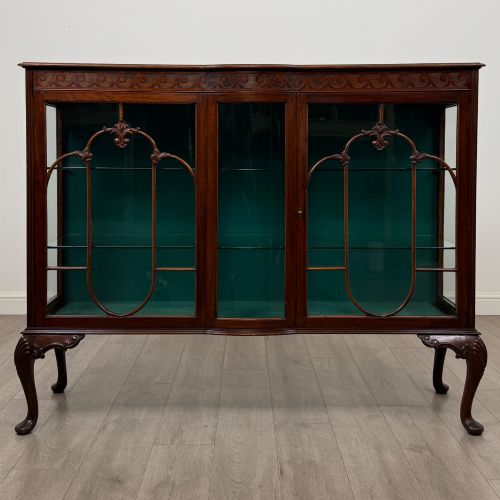
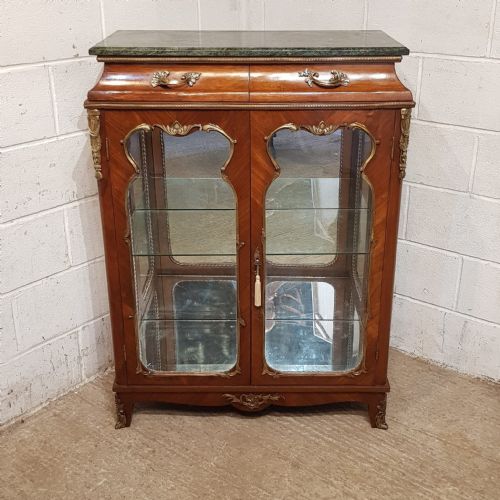
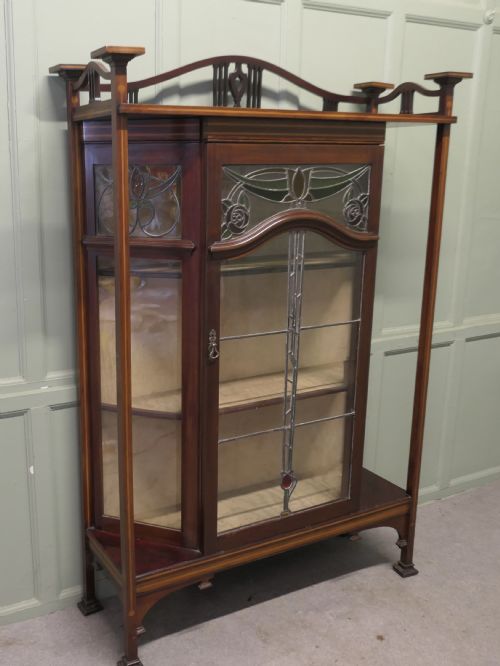
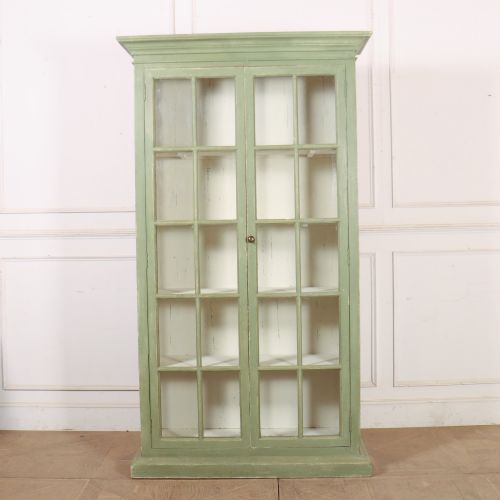
The forms vary widely across the selection, taking shape as tall bookcases, countertop shop cases, freestanding vitrines, and sideboards. Styles lean heavily towards revivalism and natural motifs, with Louis XV, Chippendale, Neoclassical, and Art Nouveau influences appearing alongside English country and rustic industrial designs.
How they were made
Cabinet makers utilised a variety of timbers to construct the carcases, predominantly selecting mahogany, oak, walnut, and yew wood. These woods often received decorative treatments such as intricate carving, veneer application, or painted surfaces, including distressed finishes and specific historical colour schemes.
Glazing forms the primary visual element, utilising flat or curved glass panes set into wooden doors or brass frameworks. Additional metalwork appears in the form of gilt metal mounts, brass hardware, and specialised fittings for shop counters and table hinges.
Green Glass Cabinet Retail Price Guide 2026
Typical asking prices for green glass cabinet among the pieces listed under this phrase on Sellingantiques today, from the lower quarter to the upper quarter. They describe what is for sale here now, not the wider market.
The listings on this page span the nineteenth and early twentieth centuries, featuring glass, brass, mahogany, oak, and walnut across various display forms.
What varies in quality
The degree of hand craftsmanship separates standard utility furniture from finer artistic pieces, particularly in the crispness of wood carvings and the precision of marquetry inlay. Cabinets designed by recognised workshops or following specific architectural designs demonstrate greater attention to proportion and detail.
The selection of materials and hardware also dictates the standing of a piece, from solid timber construction and fire gilt mounts down to simpler pine carcases and painted finishes. Integration of specialised elements, such as adjustable shelving, curved glass, or original brass mounts, elevates the execution.
Shapland and Petter·James Gardner
The Green Glass Cabinet Glossary
- Vitrine
- A glass-sided cabinet or display case specifically designed for showing fine porcelain, curiosities, or small objects of art. These pieces often feature glass panels on multiple sides to maximise illumination of the contents.
- Bijouterie table
- A shallow display table with a glazed top and sides, created for holding jewellery, medals, and small precious items. They frequently stand on slender legs and open from the top.
- Marquetry
- The art and craft of applying pieces of veneer to a structure to form decorative designs and patterns. Cabinet makers utilise contrasting timbers to create floral or geometric motifs.
- Cabriole leg
- A furniture leg that curves out and then in, resembling the leg of an animal. This form became popular during the eighteenth century and saw revivals in later periods.
- Gilt metal mount
- Decorative metal elements applied to furniture surfaces, typically cast in bronze or brass and treated with a gold-coloured finish. They accentuate the structural lines of cabinets and vitrines.
Green Glass Cabinet: Frequently Asked Questions
What is a green glass cabinet used for?
These cabinets serve primarily to display and protect valued possessions, ceramics, books, and collections from dust. The transparent panes allow items to be viewed clearly while remaining safely enclosed.
Historically, similar glazed cases functioned in domestic parlours for curiosities or in commercial settings to merchandise retail goods. Today, they bring both storage and visual lightness into modern rooms.
How do I date a cabinet?
Dating relies on observing construction methods, timber choices, and stylistic markers such as hardware and decorative carving. Pieces from the Victorian era often display heavier timber work, whereas Edwardian and later examples frequently incorporate lighter veneers or distinct revival motifs.
Examining the glass itself can also offer clues, as older panes sometimes exhibit slight waviness or bubbles within the material. Makers' marks, labels, or historical sign-writing provide further chronological context.
How should I style these cabinets at home?
Integrating a display cabinet involves balancing the objects placed inside with the surrounding interior space. Grouping items by colour, material, or theme prevents the interior from appearing cluttered and draws the eye to individual pieces.
Positioning the cabinet away from direct sunlight helps protect delicate contents and timber finishes from fading. Ensuring adequate room around freestanding vitrines allows their specific leg shapes and glazing bars to stand out.