


Green Gemstone Earrings
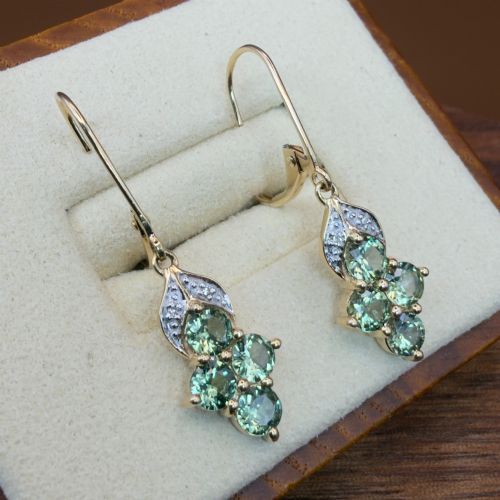
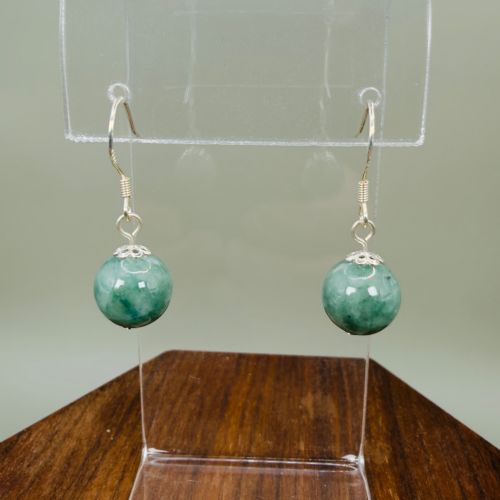
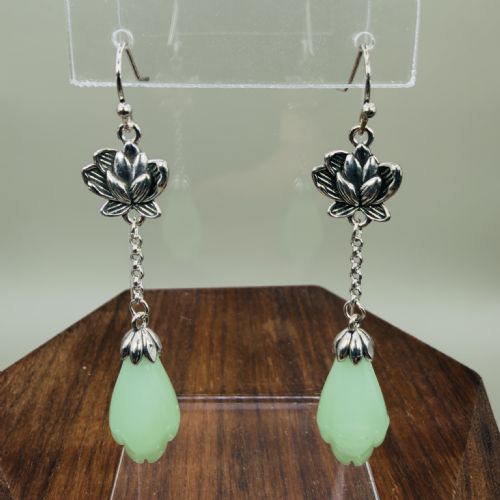
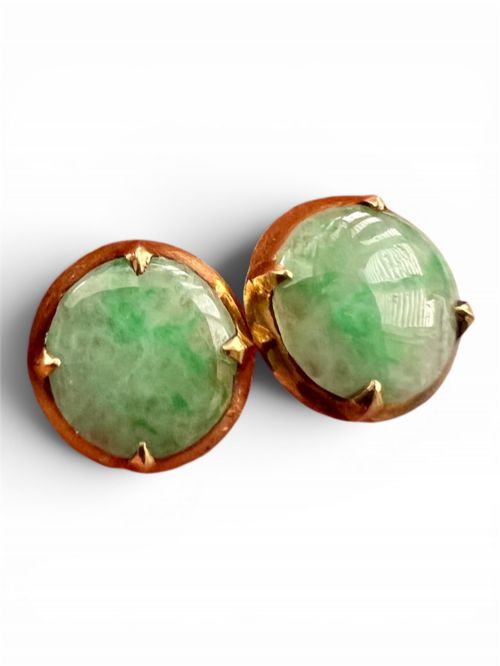
Green gemstone earrings span centuries of gold work, bringing together vivid emeralds, nephrite, and peridot in drop and stud configurations.
Green Gemstone Earrings
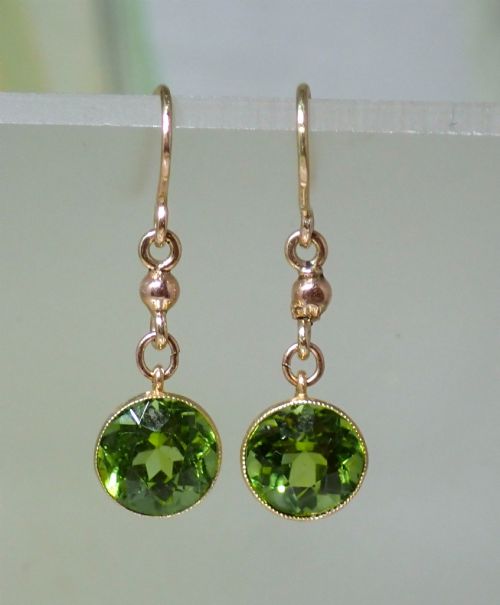
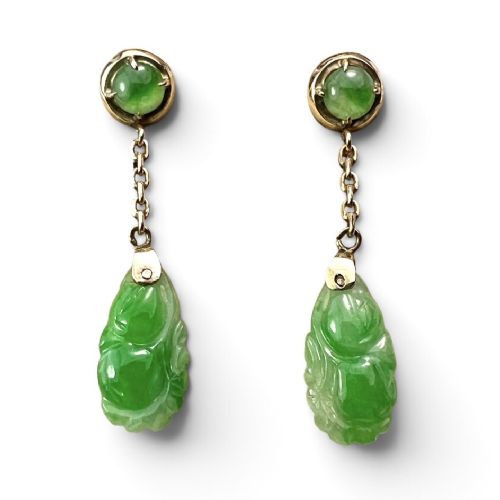
Green gemstone earrings encompass a diverse range of styles from the Victorian era through the mid-century modern period, featuring stones such as emerald, jadeite, peridot, and green chalcedony set in various gold purities and silver.
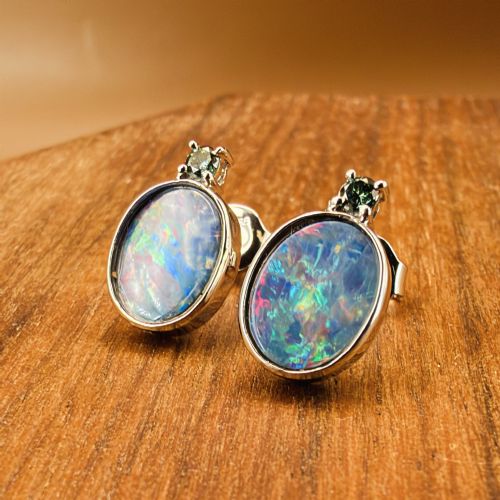
Buyers encounter numerous drop earrings, cluster hinge backs, and simple studs set with minerals like malachite, tourmaline, and teal green sapphires.
The selection bridges antique Victorian designs, Edwardian drops, and distinct Art Deco geometric arrangements alongside mid-century creations.
Materials and Construction
Goldsmiths utilised 9ct, 14ct, 15ct, and 18ct gold in yellow, white, and rose tones, alongside platinum and sterling silver to mount the green stones.
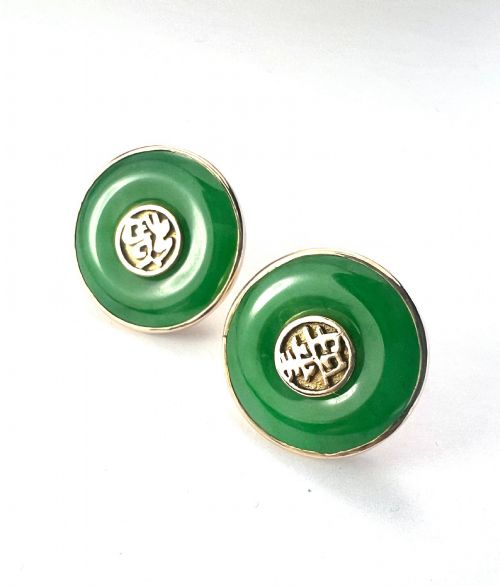
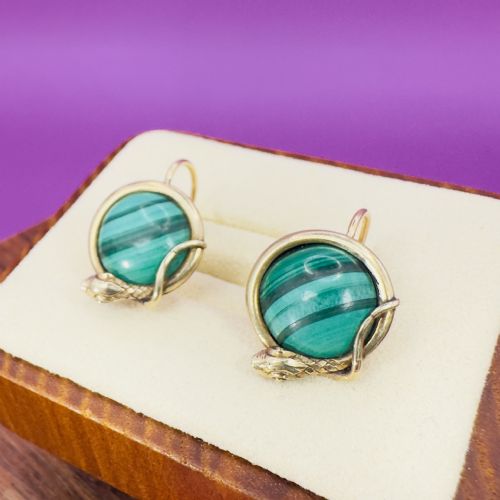
Lapidaries shaped the minerals into faceted cuts like marquis and oval cuts, alongside carved jade, cabochon malachite, and smooth chalcedony beads.
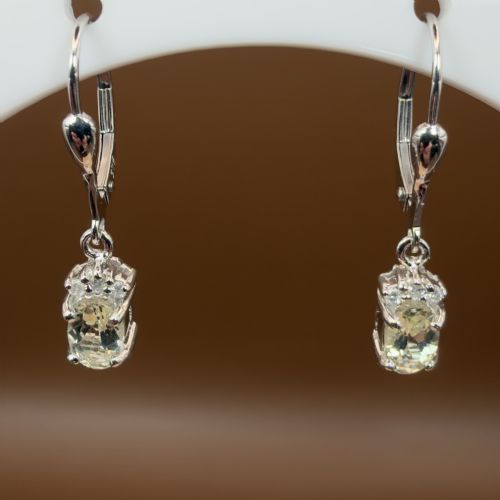
Many pairs incorporate supporting diamonds, seed pearls, or sapphires arranged in clusters or framing the primary green gemstones.
Materials in the listings include emerald, jade, peridot, malachite, tourmaline, chalcedony, bloodstone, and various sapphires.
Quality and Execution
The sophistication of the gold work and the selection of the primary green mineral determine the overall caliber of the piece, from simple sterling silver hooks to substantial platinum and gold settings.
Gemstone saturation, clarity, and the precision of the stone cutting distinguish finer examples, particularly in emeralds, jadeite, and peridot.
The integration of secondary stones, such as pavé or cluster diamonds and seed pearls, reflects the original tier of commission and workshop skill.
The Green Gemstone Earrings Glossary
- Jadeite
- A pyroxene mineral and one of the two distinct minerals recognised as jade, prized for its vivid green colour and translucent quality.
- Hinge back
- A secure earring closure mechanism featuring a hinged post that snaps into a notched catch behind the earlobe.
- Cluster
- An arrangement of smaller stones tightly grouped around a larger central gemstone to maximise visual impact and sparkle.
- Peridot
- A transparent green silicate mineral rich in magnesium and iron, utilised in antique and mid-century jewellery for its characteristic yellowish-green hue.
- Cabochon
- A gemstone shaped and polished with a smooth, convex upper surface rather than faceted planes.
Green Gemstone Earrings: Frequently Asked Questions
What periods do these earrings come from?
The selections span the Victorian era, Edwardian period, Art Deco, and mid-century modern designs.
Individual pairs reflect the prevalent metalworking techniques and aesthetic preferences of their respective decades.
What metals are used in the settings?
Makers employed various gold purities including 9ct, 14ct, 15ct, and 18ct in yellow, white, and rose variations.
Platinum and sterling silver also appear as foundational mounting materials across different styles.
Which green stones appear most frequently?
Emerald and jadeite represent the primary green minerals found across the available selections.
Peridot, green chalcedony, malachite, tourmaline, and green sapphires also feature in numerous configurations.
How do drop earrings differ from studs?
Drop earrings suspend the gemstone or decorative motif below the earlobe, creating movement when worn.
Studs position the gemstone directly against the ear with minimal projection or dangle.