



Green Garden Furniture
Green garden furniture brings enduring outdoor character to lawns and terraces through robust ironwork and painted timber.
Green Garden Furniture
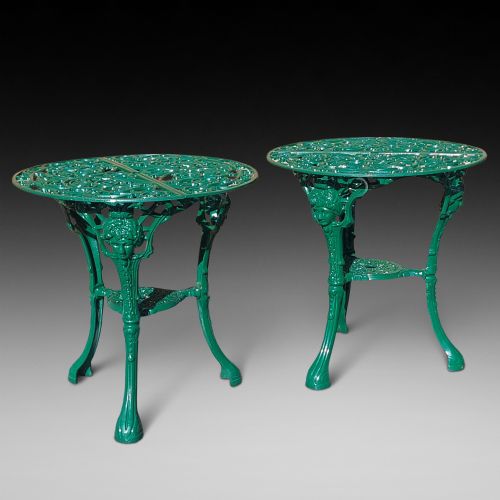
Green garden furniture comprises robust outdoor seating, tables, and planters designed to endure the elements while ageing with grace. Pieces span Victorian designs, 1920s patio sets, and 1940s urns, reflecting changing outdoor aesthetics across several decades.
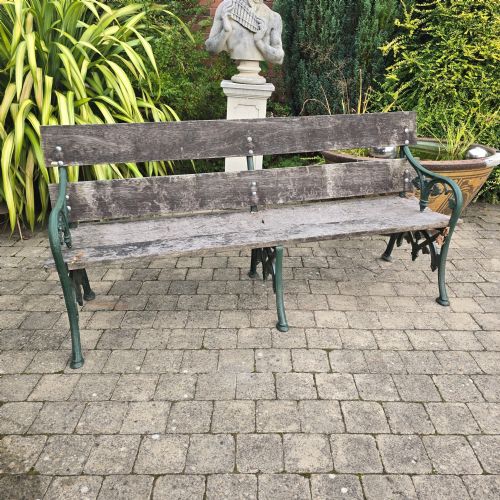
Victorian examples dominate the available selection, often exhibiting heavy metal construction and decorative strapwork. These pieces combine utility with ornamental appeal, creating functional focal points for garden landscapes.
How they were made
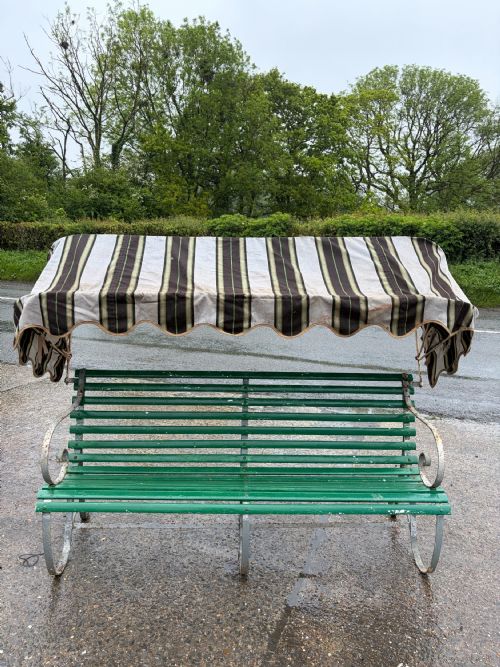
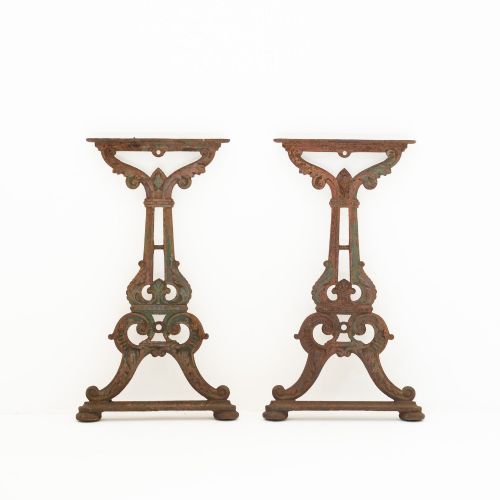
Makers utilised heavy cast iron and wrought iron for structural longevity, shaping metal into intricate patterns such as Rococo revival motifs or clean Art Deco lines. Artisans combined iron components with timber elements and fabric details to complete functional sets.
Surfaces received protective coatings of paint, particularly green, which weathered exposure while accentuating the metalwork. Folding mechanisms and strapwork construction demonstrated the mechanical ingenuity applied to utilitarian exterior pieces.
Green Garden Furniture Retail Price Guide 2026
Typical asking prices for green garden furniture among the pieces listed under this phrase on Sellingantiques today, from the lower quarter to the upper quarter. They describe what is for sale here now, not the wider market.
Listings feature periods from the nineteenth century up to the 1940s, utilising cast iron, wrought iron, timber, and painted metal.
What varies in quality
Quality rests in the crispness of the iron casting and the sophistication of the decorative detail, from simple utility pieces to ornate Rococo revival designs. Heavier castings and complex strapwork indicate higher ambition in production.
The integrity of the painted surface and the survival of original structural elements differentiate standard utilitarian items from finer decorative examples.
The Green Garden Furniture Glossary
- Cast iron
- A strong, rigid alloy poured into moulds to create decorative garden benches, table bases, and urns. It provides the heavy foundation characteristic of Victorian outdoor pieces.
- Wrought iron
- Iron beaten and worked by hand into structural shapes like strapwork for benches. This material offers resilience and distinct linear character.
- Strapwork
- Flat bands of metal applied in decorative intersecting patterns on bench backs and frames. It provides structural reinforcement while adding visual interest.
- Rococo Revival
- A decorative style featuring asymmetric scrollwork and organic motifs popular in Victorian metalwork. It brings elaborate curves to garden seating.
Green Garden Furniture: Frequently Asked Questions
Can I leave my green garden furniture outside all year?
Most iron and painted metal pieces withstand outdoor conditions due to their durable construction. However, seasonal storage or protective covers help preserve painted finishes against harsh winter weather.
Regular checks for moisture accumulation prevent premature wear on joints and timber elements.
How do I identify a Victorian garden bench?
Victorian benches typically feature heavy cast iron frames with distinct period ornamentation, including floral motifs or Rococo revival scrolls. Their substantial weight and traditional construction methods distinguish them from later reproductions.
Examining the metal texture and fastening types helps confirm the nineteenth-century origin.
What is the difference between cast and wrought iron?
Cast iron is poured into moulds, resulting in rigid, highly decorative components like ornate bench ends and heavy table bases. Wrought iron is heated and hammered into shape, producing flexible structural bars and strapwork.
Both materials appear frequently in antique exterior furnishings.
How should I clean antique painted metal furniture?
Gentle washing with mild soap and water removes accumulated garden dirt without harming aged painted surfaces. Avoid harsh chemical cleaners or abrasive scouring pads that strip historical patination.
Thorough drying prevents moisture retention in corners and joints.