




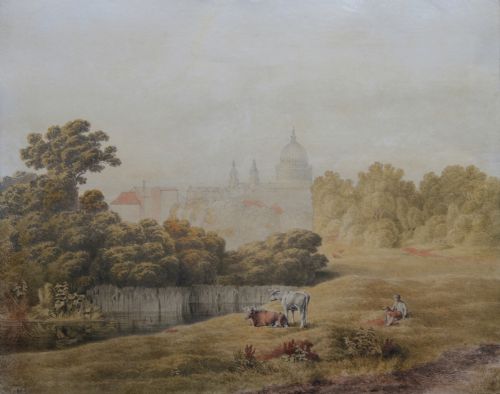
Green Framed Art
Green framed art gathers centuries of paintings and works on paper enclosed in wood or gilt surrounds, bringing historic landscapes and portraits straight onto your wall.
Green Framed Art
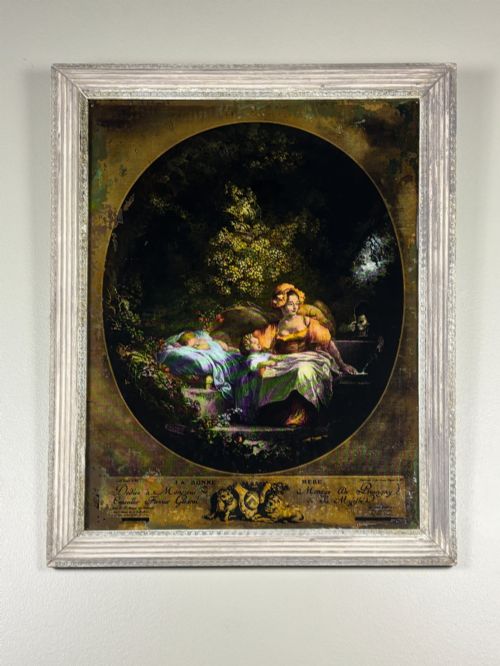
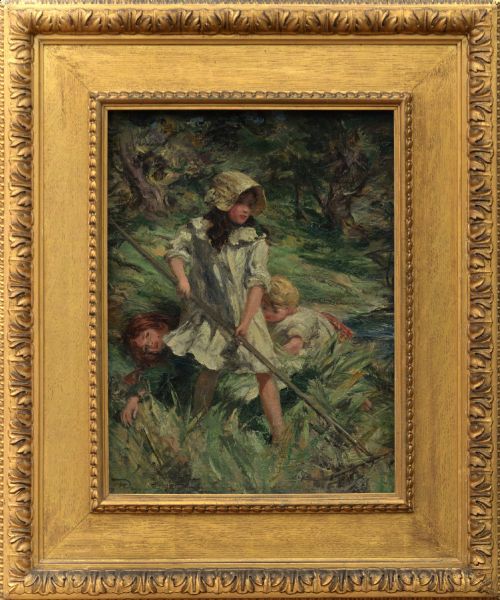
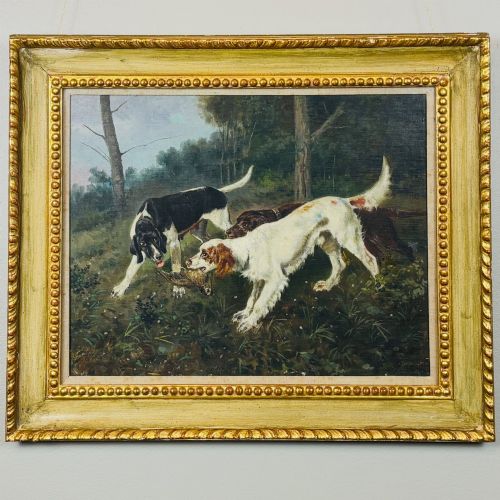
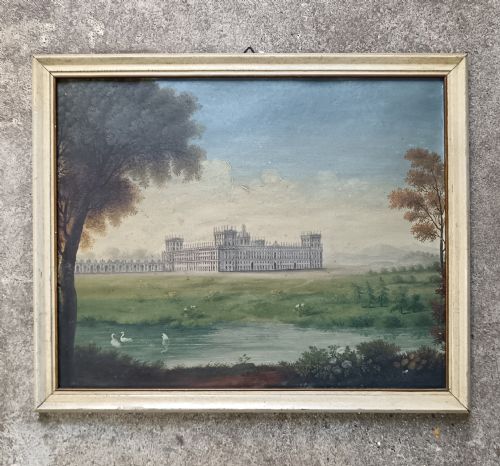
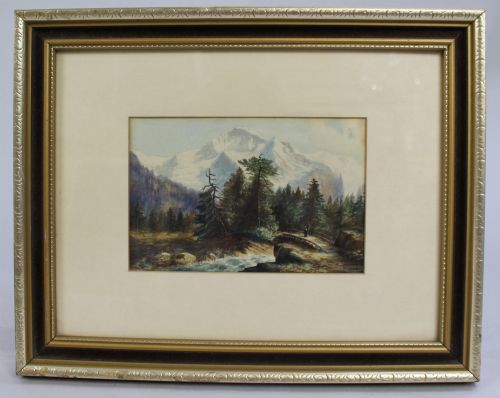
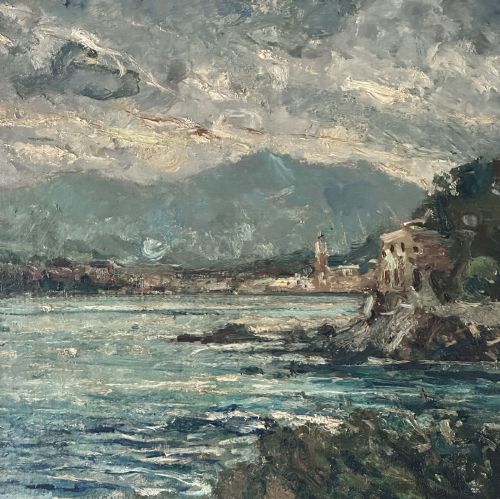
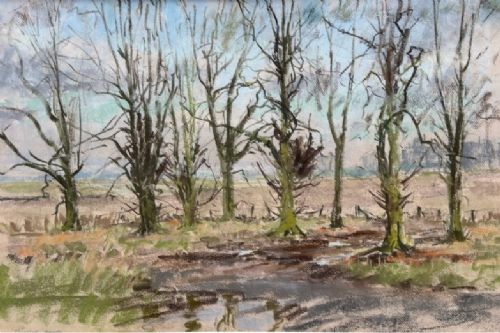
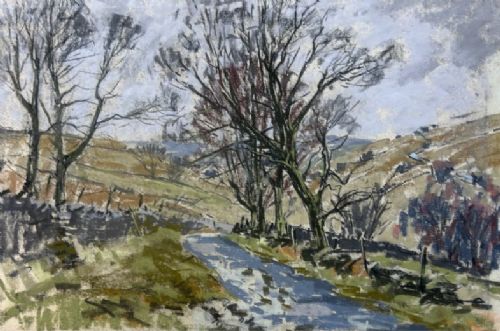
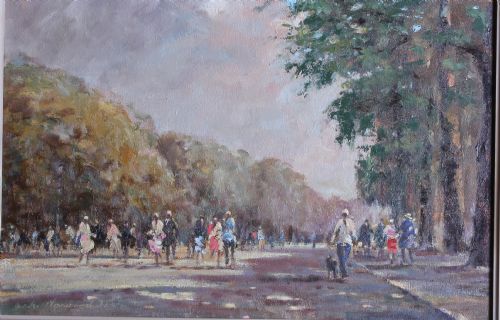
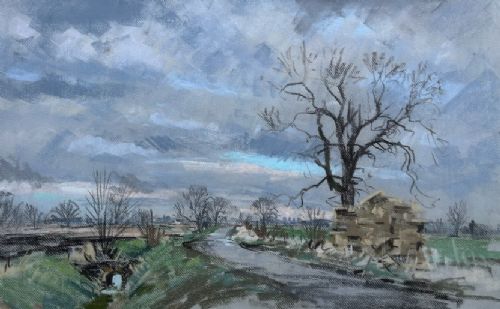
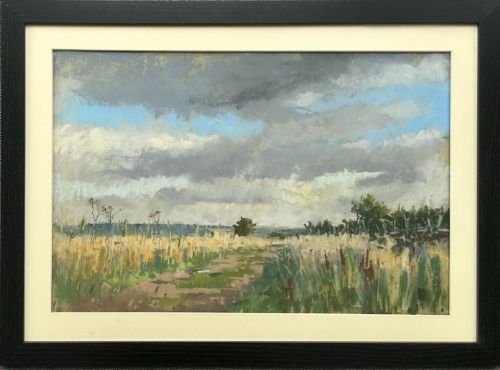
When you search for green framed art, you encounter oil paintings, watercolours, gouache, and pastel drawings spanning from the seventeenth century through the Victorian period into the mid-twentieth century. These works capture diverse subjects including rural landscapes, maritime scenes, village gatherings, portraits, and botanical still lifes.
The pieces present various schools and styles, from British Impressionism and Victorian Naturalism to Georgian and Edwardian compositions. You find works executed on canvas, wood panels, pith paper, board, and tin, reflecting the broad materials utilised by historical artists.
The framing serves to contain and present these diverse works, often pairing historic oil on canvas or watercolour paintings with complementary wooden or gilt surrounds. Each piece provides a window into past artistic techniques and domestic interiors.
Materials and construction
Artists painted using oil on canvas, wood panels, board, and tin, applying pigment with skill to capture light and texture. Watercolours, pastels, gouache on pith paper, and tempera offer alternative surfaces and fluid mediums preserved across generations.
The enclosures rely on wood and gilt mouldings that house the canvas, panel, or paper securely. These surrounds protect the edges of the artwork while providing structural support for hanging on walls.
Green Framed Art Retail Price Guide 2026
Typical asking prices for green framed art among the pieces listed under this phrase on Sellingantiques today, from the lower quarter to the upper quarter. They describe what is for sale here now, not the wider market.
Cats, kittens, snails, and cows occasionally share canvas space with solemn aristocracy, proving historic artists enjoyed painting animals just as much as humans.
Assessing quality and execution
The distinction between standard works and exceptional pieces lies in the precision of brushwork, the depth of composition, and the handling of light. Masterful execution shows in the anatomy of figures, the naturalism of foliage, and the convincing perspective of landscapes.
The integrity of the underlying support, whether canvas, wood panel, or paper, dictates longevity. Superior pieces retain their original vibrancy without heavy restoration, demonstrating stable pigment adherence and harmonious colour balance.
George F. Bird·William Langley·William Mellor·Edmund Bristow·Cornelius Johnson
The Green Framed Art Glossary
- Oil on canvas
- Pigment suspended in drying oil applied to a stretched woven fabric support. This technique allows for rich texture and blending.
- Watercolour
- Paint consisting of water-soluble pigments applied to paper. It yields translucent washes that capture light effectively.
- Gouache
- An opaque water-based paint that includes a white pigment to create solid, flat colour areas. It often appears on delicate surfaces like pith paper.
- Panel painting
- Art executed on a flat piece of wood rather than canvas. Wooden supports were common in earlier centuries before canvas became standard.
- Gilt
- A thin layer of gold leaf applied to wood or other surfaces. It adds reflective warmth to traditional picture surrounds.
Green Framed Art: Frequently Asked Questions
How do I date an oil painting?
Dating relies on the style of clothing, framing techniques, and the preparation of the canvas or wood panel. Examining the back of the work often reveals historic labels, signatures, or stamps.
Comparison with documented works by the same school or artist helps narrow the decade of creation. Material analysis confirms whether the pigments align with the claimed period.
Where should I hang these artworks?
These pieces suit living rooms, studies, and hallways where stable light and humidity protect the canvas or paper. Avoid placing them in direct sunlight or damp spaces.
Matching the scale of the painting to your wall space ensures proper visual balance. Secure fixings suited to the weight of the wood surround are essential.
What subjects are most common?
Landscapes and portraits dominate these selections, reflecting the priorities of past patrons and artists. You also encounter floral still lifes, marine scenes, and architectural views.
Each genre offers insight into the aesthetic values of its era, from Georgian formality to Victorian naturalism. The choice of subject often dictates the mood the artwork brings to a room.