



Green Countryside Art
When you search for green countryside art, you discover rural oil paintings, watercolours and pastels capturing pastoral scenes from the nineteenth and twentieth centuries.
Green Countryside Art
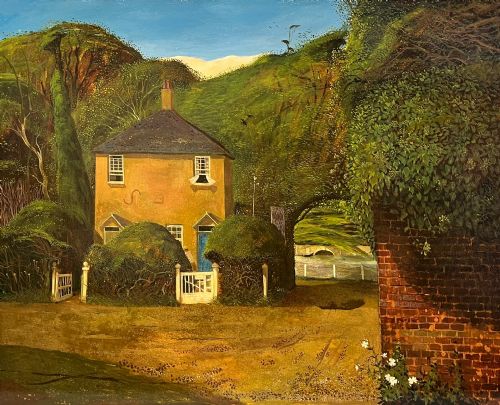
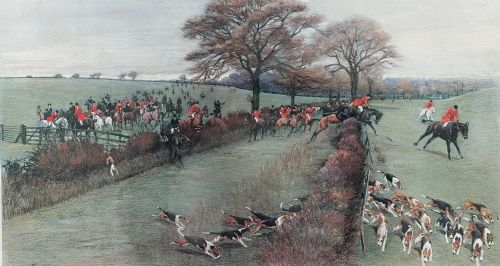
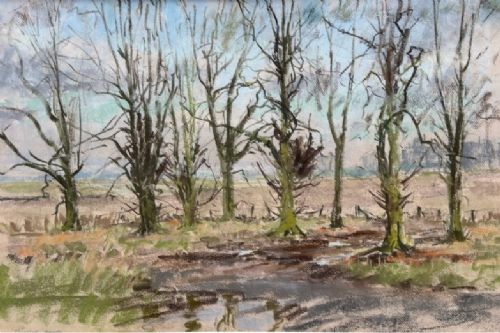
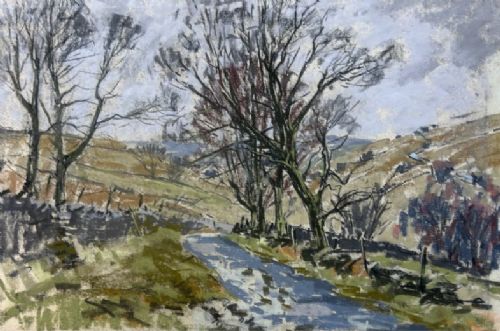
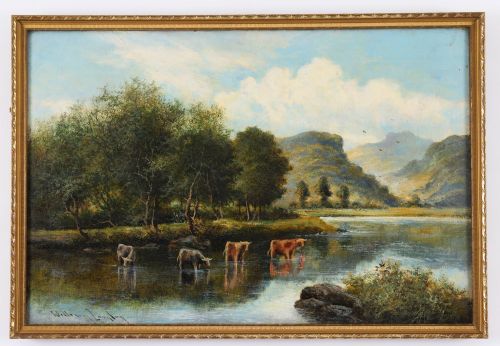
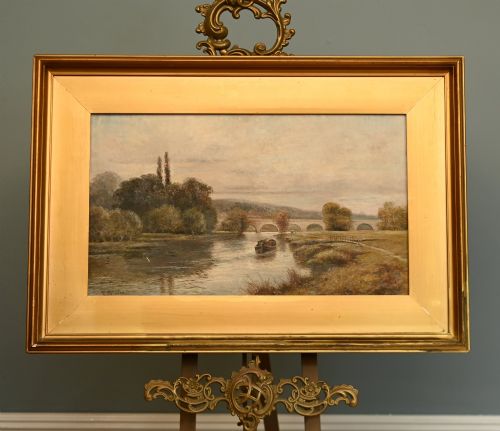
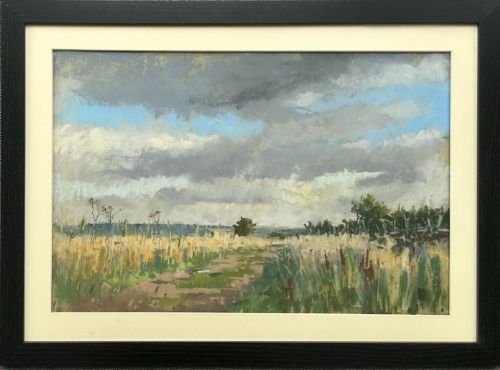
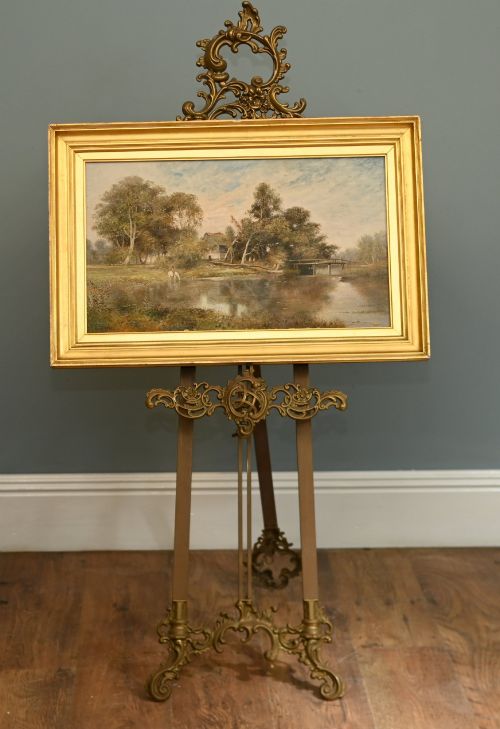
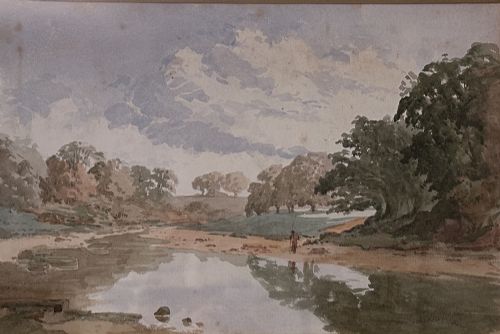
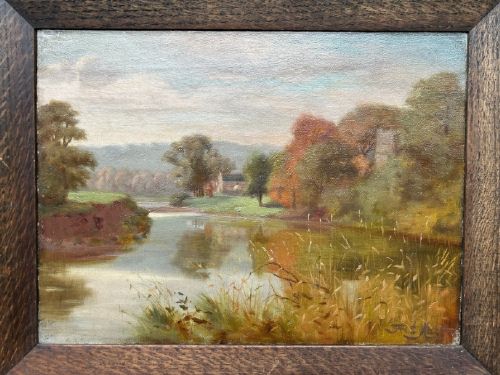
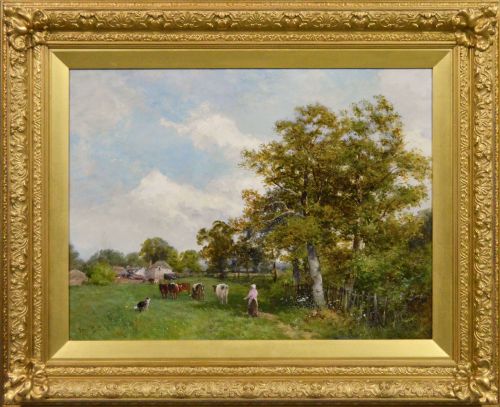
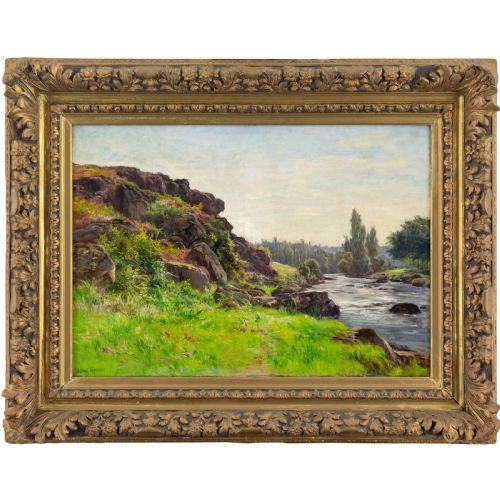
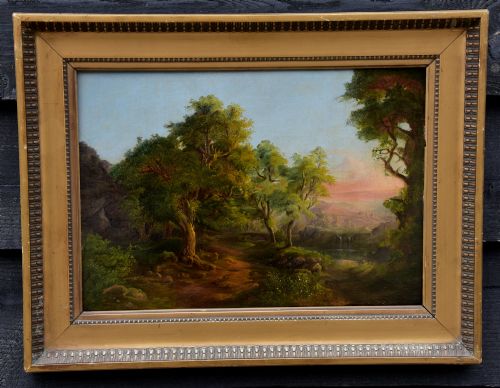
Green countryside art encompasses framed pastoral paintings and drawings depicting rivers, valleys, woodlands and farm animals within British and European landscapes. These works span the Victorian period through the mid-twentieth century, capturing rural life in oil paint, watercolour and pastel.
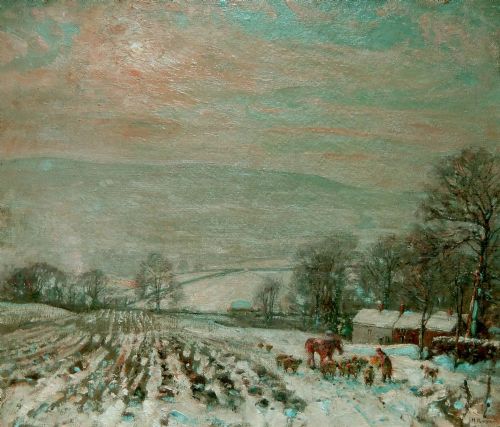
You are most likely to meet nineteenth-century oil paintings on canvas or board and early twentieth-century watercolours showing rivers, cottages and herds of cows. British Impressionism and Victorian Pastoral styles dominate the available selections, often rendered by named artists of the period.
Materials and methods
Artists painted these rural scenes using oil paint, watercolour or pastel applied to canvas, paper, wood panels or board. Canvases provided sturdy grounds for textured oil mediums, whilst paper accommodated fluid watercolours and delicate pastel strokes.
Works frequently feature protective wooden frames and glass coverings, preserving fragile watercolours and pastel drawings from atmospheric damage. Canvas paintings utilised traditional stretchers, occasionally augmented with gilt details on the surrounding frames.
Green Countryside Art Retail Price Guide 2026
Typical asking prices for green countryside art among the pieces listed under this phrase on Sellingantiques today, from the lower quarter to the upper quarter. They describe what is for sale here now, not the wider market.
Artworks include oil paintings, watercolours, pastel drawings and framed wall art from British and French artistic traditions.
Distinctions in quality
The degree of artistic execution separates standard regional studies from masterworks, evident in the handling of natural light, shadow and atmospheric depth. Superior pieces demonstrate confident brushwork and precise colour harmony that convey movement in foliage and water.
The preservation of the original surface medium and framing influences the integrity of each piece. Works maintaining stable pigment adhesion and clear signatures by established painters command greater recognition within the tradition.
Cecil Charles Windsor Aldin·Angus Rands·William Langley·Herbert Royle·David Bates
The Green Countryside Art Glossary
- Canvas
- A heavy woven fabric stretched across a wooden frame to serve as a support for oil paintings. It provides a durable and textured surface for layered pigments.
- Pastel
- A dry drawing medium composed of powdered pigment and a binder, shaped into sticks. Artists used it on paper to achieve soft gradients and vibrant rural hues.
- Watercolour
- A paint consisting of water-soluble pigments applied to paper. It creates luminous, transparent washes ideal for capturing atmospheric skies and riverbanks.
- Gilt
- A thin layer of gold leaf applied to wooden frames for decoration. This finish adds a reflective border that complements the tones of the painting within.
Green Countryside Art: Frequently Asked Questions
What periods do these artworks represent?
The collection spans from the nineteenth century through the mid-twentieth century, encompassing Victorian, Edwardian and mid-century movements. Artists from these eras recorded rural topography using traditional painting techniques.
Victorian and Edwardian works reflect a romantic interest in pastoral life, while later twentieth-century pieces introduce looser, impressionistic interpretations of the countryside.
How should I hang these framed pieces?
Select an interior wall with stable temperature and humidity away from direct sunlight to protect pigments and paper from fading. Ensure the hanging hardware securely supports the weight of the wooden frame.
Pairing oil paintings and watercolours requires balanced spacing to let each rural scene retain its visual focus within the room.
Are these works signed by the artists?
Many examples feature original signatures or inscriptions by the painter, often placed discretely in a lower corner of the canvas or paper. Documentation accompanying the artwork frequently attributes the piece to specific historical painters.
Some period works remain unsigned or indistinctly credited to regional schools, representing anonymous contributions to historical landscape traditions.
What subjects appear in these landscapes?
Common motifs include winding rivers, woodland clearings, grazing cows, haystacks and rural cottages situated in British and European countryside settings. Seasonal themes such as early spring blossoms and winter frost frequently recur.
These compositions reflect a historical appreciation for agricultural life and natural scenery, recorded through contemporary plein air observation or studio painting.