



Green Ceramic Desk Lamp
These green ceramic desk lamps bring a soft, characterful light to a writing space, blending rich glaze colours with period craftsmanship.
Green Ceramic Desk Lamp
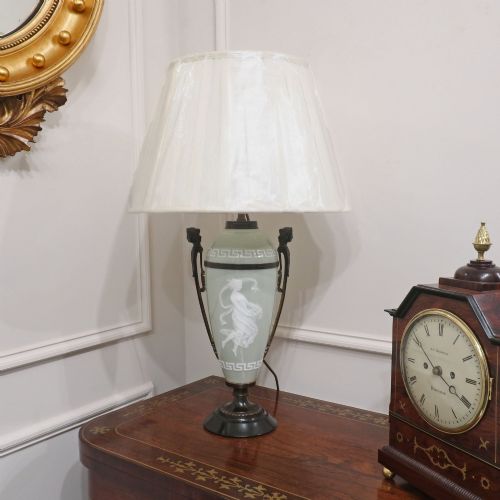
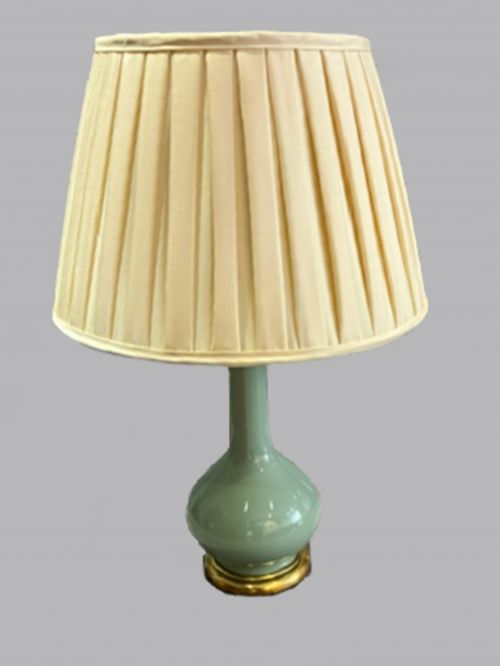
A green ceramic desk lamp combines traditional pottery forms with practical desk lighting, often created by adapting earlier vases and vessels into lamps. When searching for a green ceramic desk lamp, buyers encounter pieces ranging from Victorian and Edwardian examples to Art Deco designs and 19th century Chinese porcelains.
How they were made
Potters shaped these bodies from ceramic, porcelain, stoneware, or majolica, applying rich green glazes such as celadon or famille verte enamels before firing. Makers often mounted these ceramic bases on brass or bronze fittings, integrating electrical wiring into historic vessels.
Details include pate-sur-pate decoration, hand-painted floral motifs, and moulded relief work characteristic of 19th century and Art Deco production. Shades are typically constructed from fabric or silk to complement the ceramic body.
Green Ceramic Desk Lamp Retail Price Guide 2026
Typical asking prices for green ceramic desk lamp among the pieces listed under this phrase on Sellingantiques today, from the lower quarter to the upper quarter. They describe what is for sale here now, not the wider market.
Many of these desk lamps started life as Qing dynasty vases before finding a second career holding lightbulbs.
What varies in quality
Quality rests in the finesse of the ceramic body, the depth and consistency of the green glaze, and the artistic merit of hand-painted details like famille verte or pate-sur-pate work. Finer examples display crisp moulding and harmonious proportions between the vessel and its metal mounts.
The integration of the lighting hardware and the preservation of the original vase form also influence the overall character of the piece. Lamps that retain their original 19th century or Art Deco integrity command greater appreciation.
The Green Ceramic Desk Lamp Glossary
- Celadon
- A pale green jade-like glaze originating in China and emulated in later European pottery. This translucent finish appears across 19th century vases adapted as lamps.
- Famille Verte
- A Chinese porcelain palette dominated by green enamels, developed during the Qing dynasty. These colourful hand-painted designs frequently decorate table lamps.
- Majolica
- A type of earthenware coated with an opaque tin glaze, popular during the Victorian and Edwardian eras. It provides vibrant colour depth on lamp bases.
- Pate-sur-pate
- A ceramic decoration technique where liquid clay is built up in successive layers to create a low relief cameo effect. This ornate method appears on French neoclassical style pieces.
Green Ceramic Desk Lamp: Frequently Asked Questions
What is a green ceramic desk lamp?
A green ceramic desk lamp is a functional lighting fixture that utilises a ceramic, porcelain, or stoneware base, often featuring a historic or converted vase body. These pieces incorporate green glazes such as celadon or famille verte.
They bring period character and ambient light to a workspace, drawing on styles from the 19th century to the Art Deco period.
How do I date a ceramic lamp?
Dating relies on examining the characteristics of the ceramic body, the style of the glaze, and any associated brass or bronze mounts. Victorian, Edwardian, and Art Deco pieces each exhibit distinct decorative motifs.
Assessing whether a vessel is a converted 19th century Chinese vase or a contemporaneous European pottery piece helps establish its timeframe.
Were these lamps originally made for lighting?
Many items listed as desk lamps began life as decorative vases, jars, or ginger jars during the 19th century or earlier. They were subsequently adapted for electrical lighting.
This conversion process preserves the artistry of antique porcelain while making the vessels functional for modern interiors.
What styles are common in green ceramic lamps?
The selection includes French neoclassical, Chinese export, Qing dynasty styles, and Art Deco designs from makers like Denby Ware. Each style brings different surface textures and glaze tones.
From celadon crackle finishes to majolica relief work, the aesthetic varies widely across the centuries represented.