




Green Boat Artwork
Green boat artwork captures river and harbour scenes across the nineteenth and twentieth centuries in oil and watercolour.
Green Boat Artwork
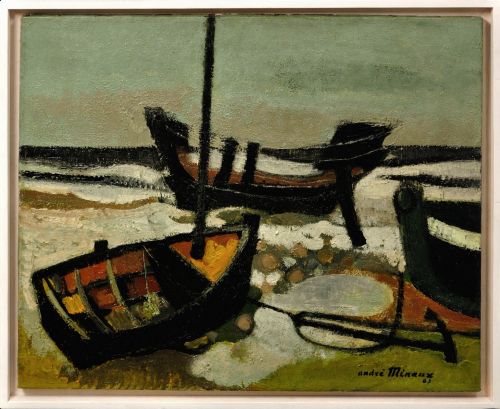
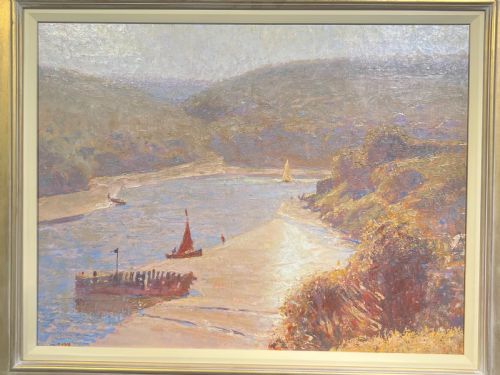
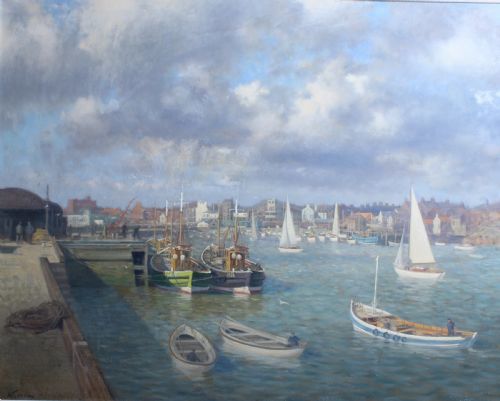
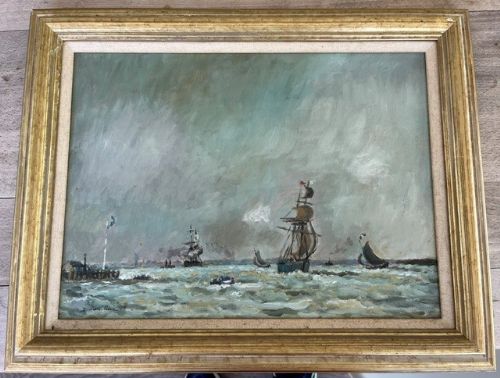
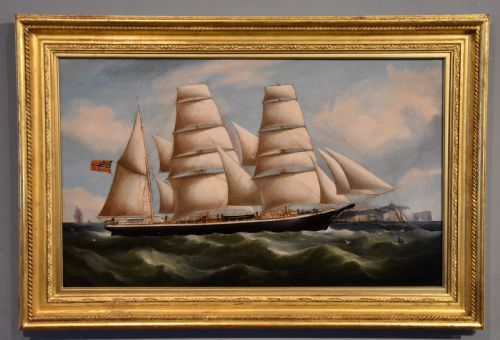
Green boat artwork encompasses paintings and watercolours depicting vessels on rivers, canals and harbours. The pieces span the nineteenth century through to the mid-twentieth century, recording maritime and rural settings. Buyers encounter works ranging from Victorian marine watercolours to mid-century French and British impressionist canvases.
The selections on this page lean heavily toward nineteenth-century oils and twentieth-century watercolours. Maritime subjects include fishing boats, barques, schooners and leisure craft on rivers and coastal waters. Works emerge from various regional schools, incorporating French impressionist, British impressionist and mid-century modern styles.
Materials and techniques
Artists painted these works primarily in oil or watercolour, applying pigment to canvas, wood, paper or glass. Oil on canvas and oil on board provide rich texture and depth for marine and river landscapes. Watercolours on paper capture lighter, transparent atmospheric effects along riverbanks and coastlines.
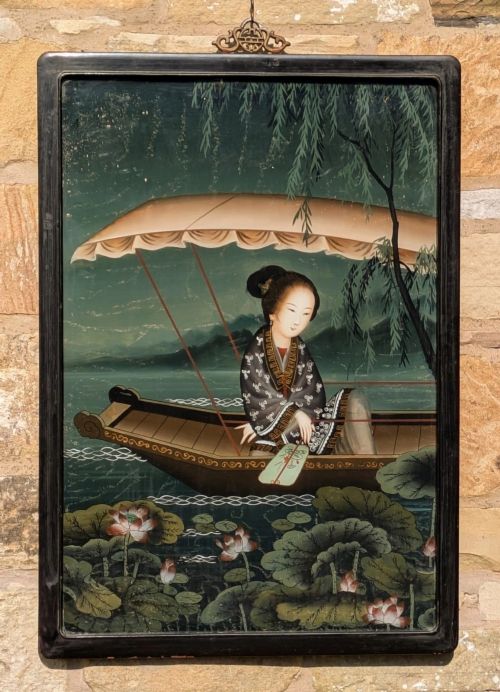
Support materials vary according to the period and region, ranging from traditional stretched canvas to wooden panels and reverse glass painting. Hand-signed signatures and exhibition dates on several pieces point to established studio practices of the nineteenth and twentieth centuries.
Green Boat Artwork Retail Price Guide 2026
Typical asking prices for green boat artwork among the pieces listed under this phrase on Sellingantiques today, from the lower quarter to the upper quarter. They describe what is for sale here now, not the wider market.
Materials recorded across these listings include oil, watercolour, canvas, wood, paper and glass.
Distinctions in quality
Quality rests upon the artist's handling of light, water and atmosphere within the composition. Masterly brushwork on canvas or paper brings movement to the water and distinct character to the vessels, separating accomplished works from ordinary output.
Provenance and documentation also set pieces apart. Works bearing clear attribution to listed painters, alongside exhibition history or period frames, command greater attention than anonymous or undocumented examples.
Cecil Allan Mould RI·Richard B Spencer·Walter Goodin·Gabriel Dauchot·Frederick Waters Watts·William Lambert Bell·Ebenezer Wake Cook·William Stephen Coleman·GM de L Aubiniere·J De Breanski·Charles Edward Wilson·George Marks·J W Carey
The Green Boat Artwork Glossary
- Oil on canvas
- Pigment mixed with drying oil applied to a woven fabric support. This medium allows for thick impasto application and deep colour saturation.
- Watercolour
- Pigments suspended in a water-based solution applied to paper. It relies on the white of the paper to provide luminosity and light.
- Impressionism
- A nineteenth-century painting style characterised by relatively small, thin yet visible brush strokes and an emphasis on accurate depiction of light.
- Provenance
- The chronology of the ownership, custody or location of a historical item. A documented background supports the authenticity and history of a painting.
- Reverse painting on glass
- An art form where the image is painted directly onto the back of a glass panel and viewed from the front.
Green Boat Artwork: Frequently Asked Questions
What periods do these artworks cover?
The selection spans from the nineteenth century through the mid-twentieth century. Pieces date from the 1880s up to the 1950s and 1960s.
Earlier works reflect Victorian and nineteenth-century marine traditions, while later pieces demonstrate mid-century impressionist and post-impressionist approaches.
What mediums are used in these pieces?
Paintings are executed in oil and watercolour. Supports include canvas, wood panels, paper and glass.
Oil paintings provide textured surface depth, while watercolours offer delicate transparency on paper.
How should I frame and hang these works?
Works on paper require conservation mounting behind glass to protect them from moisture and light damage. Oil paintings on canvas benefit from traditional wood frames that allow the canvas to breathe.
Position paintings away from direct sunlight and excessive humidity to preserve the pigments.
How can I tell a watercolour from an oil painting?
Watercolours show the texture of the paper beneath translucent washes of pigment, generally displayed behind glass. Oil paintings present a heavier surface texture with opaque layers of pigment on canvas or board.
Examining the surface under a strong light reveals the distinct presence of woven fabric or paper fibres.