



Green and Gold China
Green and gold china unites rich metallic gilding with vibrant green glazes across centuries of English tableware.
Green and Gold China
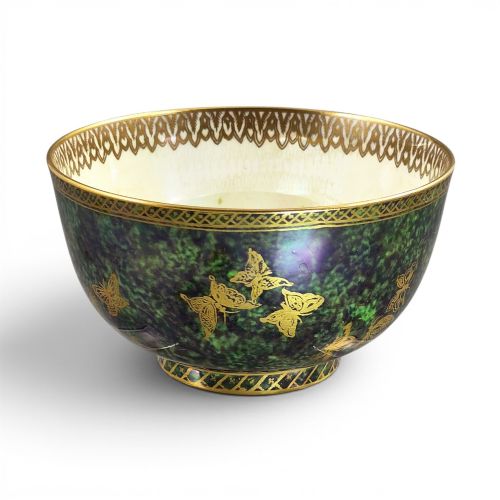
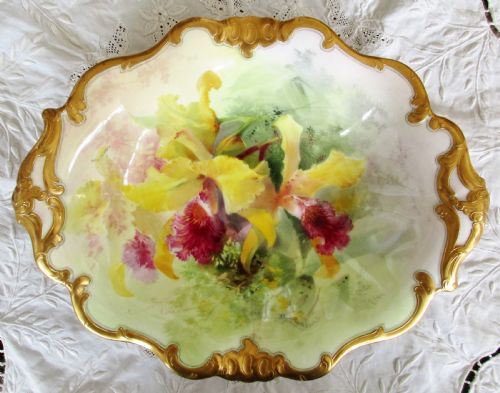
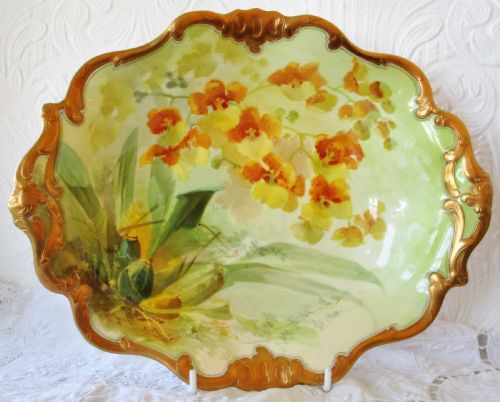
Green and gold china encompasses decorative bowls, cabinet plates, and teacups produced across the eighteenth, nineteenth, and early twentieth centuries. These items combine striking green backgrounds with applied gold leaf, gilding, or gilt decoration, often executed by notable English potteries and independent artists.
Buyers browsing green and gold china most frequently encounter porcelain and bone china pieces spanning the Georgian, Regency, and Edwardian periods. Forms range from intricate dessert plates and lattice bowls to specialised cabinet dishes and porcelain trios.
Stylistic influences across the selection move from eighteenth-century Rococo Revival motifs to nineteenth-century classical patterns and later twentieth-century decorative treatments. The inventory demonstrates how diverse English factories applied green enamels and gold detailing to functional and display ceramics.
Materials and methods
Makers utilised fine porcelain, bone china, and ironstone as the primary ceramic bodies for green and gold china. These foundational materials were shaped into plates, bowls, and teacups before receiving coloured glazes and enamel painting.
Surface decoration relied on skilled application of gold leaf, gilding, and gilt accents alongside hand-painted botanical or floral motifs. Artists such as David Dewsberry and Richard Budd applied detailed enamel work that contrasted directly against vibrant green backgrounds.
Green and Gold China Retail Price Guide 2026
Typical asking prices for green and gold china among the pieces listed under this phrase on Sellingantiques today, from the lower quarter to the upper quarter. They describe what is for sale here now, not the wider market.
What separates the best examples
The quality of green and gold china rests upon the precision of the hand-painting and the purity of the ceramic body. Pieces decorated by named artists or produced by premier factories display superior brushwork in floral and botanical subjects.
The application and preservation of the gold leaf or gilding dictates the distinction between standard production items and exceptional cabinet pieces. Heavier, more intricate application of gilt detailing combined with balanced enamel colouration marks the upper tier of surviving tableware.
Royal Doulton·Wedgwood·Minton·Mason’s Ironstone·Worcester·Chelsea·Spode·Bloor Derby·Royal Crown Derby
The Green and Gold China Glossary
- Bone china
- A type of soft-paste porcelain incorporating animal bone ash, producing a durable ceramic body favoured by English potteries.
- Cabinet plate
- A decorative ceramic plate intended primarily for display in a cabinet rather than for everyday dining use.
- Gilding
- The application of gold leaf or powdered gold onto the surface of porcelain or pottery to create metallic ornamentation.
- Ironstone
- A heavy, durable earthenware developed in the nineteenth century as a robust alternative to porcelain.
- Porringer
- A small, handled bowl historically used for soft foods, represented in early ceramic forms.
Green and Gold China: Frequently Asked Questions
What is green and gold china?
Green and gold china describes decorative ceramics featuring green glazes combined with gold leaf or gilt decoration. These pieces include plates, bowls, and teacups made by English factories.
The category spans the eighteenth to the twentieth centuries, incorporating styles from Georgian classical designs to Edwardian artistic wares.
How were cabinet plates used?
Cabinet plates were designed specifically for display within drawing rooms and parlours rather than for serving food. Their delicate enamel painting and gold leaf work made them prestige objects.
Owners mounted these plates on walls or displayed them in glazed cabinets to showcase wealth and taste.
How do I date these pieces?
Dating green and gold china involves examining factory backstamps, ceramic bodies, and painting styles. Georgian and Regency pieces often feature distinct soft-paste or bone china weights and hand-painted motifs.
Later Victorian and Edwardian examples utilise more mechanised manufacturing methods alongside changing decorative trends like Art Nouveau or Revivalist styles.
Can I use these for dining?
Most antique green and gold china is intended for display or collection rather than modern dining use. The historic enamels and gold leaf can wear down with frequent washing and cutlery contact.
Gentle hand washing is required for any pieces used occasionally, though cabinet plates are best kept as decorative items.