





Graphite Portrait Art
Graphite portrait art captures faces through delicate pencil and plumbago line, offering intimate glimpses into past lives.
Graphite Portrait Art
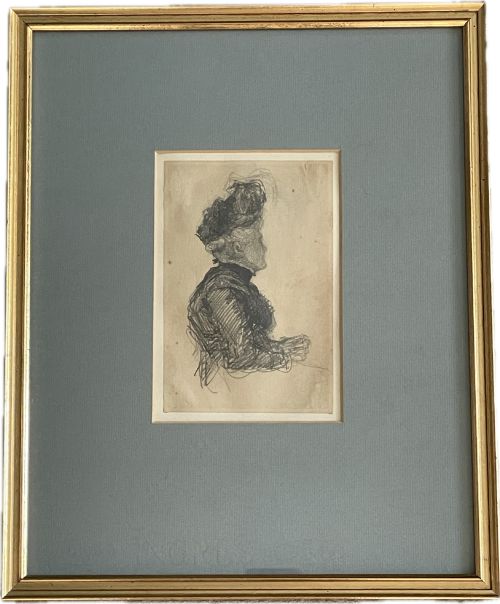
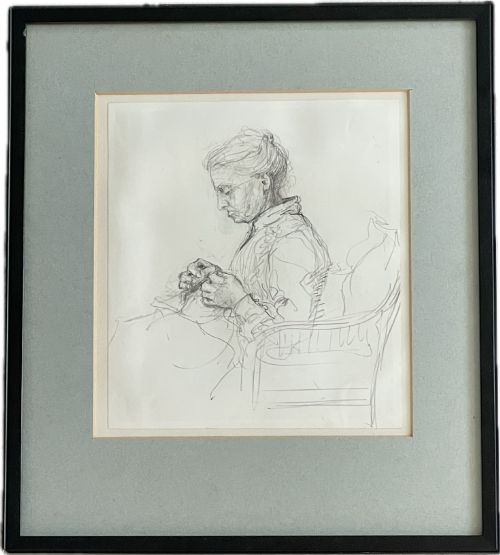
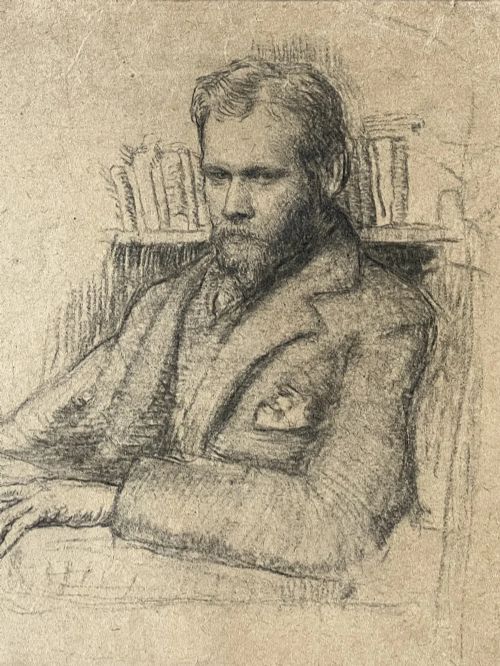
Graphite portrait art encompasses original drawings on paper executed in pencil, plumbago, and charcoal across multiple periods.
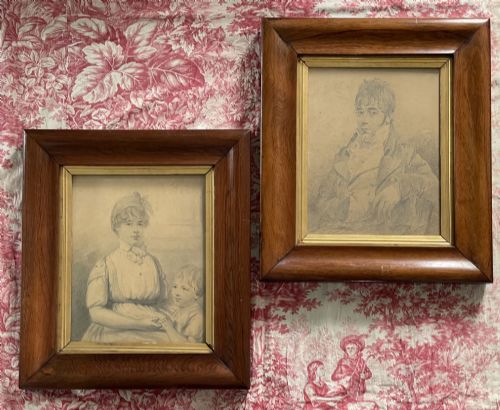
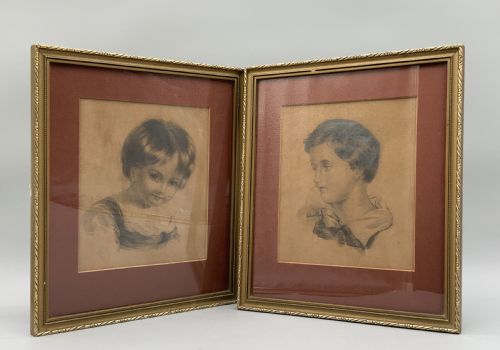
Buyers encounter 18th-century plumbago miniatures, Regency sketches, Victorian depictions of children and animals, and 20th-century studies.
These works take the form of framed art, portrait drawings, and intimate framed artwork originating from British and European hands.
Materials and Technique
Artists drew these portraits using graphite, pencil, charcoal, and chalk upon prepared sheets of paper.
Certain plumbago works incorporate fine gold leaf and gilt accents, while framing relies on glass and wood housings.
Graphite Portrait Art Retail Price Guide 2026
Typical asking prices for graphite portrait art among the pieces listed under this phrase on Sellingantiques today, from the lower quarter to the upper quarter. They describe what is for sale here now, not the wider market.
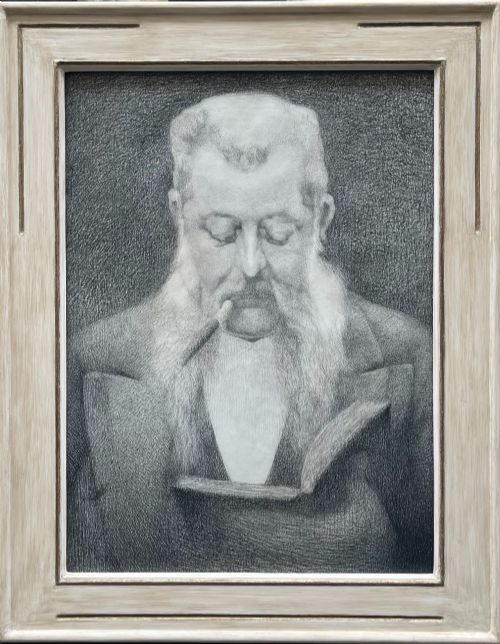
Subjects range from aristocracy and family friends to a smoking gentleman and Louis Armstrong.
Assessing Quality
Line confidence and tonal subtlety separate standard sketches from accomplished portrait drawings, revealing the hand of a skilled draughtsman.
Condition of the paper and preservation beneath glass influence the enduring clarity of graphite and chalk mediums.
John Taylor·James Ferguson·Ozias Humphry·Sir Nathaniel Dance-Holland·Henri Josephe Hesse·Augustus John·Faeq Hassan·Juliet Pannett
The Graphite Portrait Art Glossary
- Plumbago
- An early form of graphite drawing executed with fine precision, popular in the 18th century. These works often resemble miniature paintings in monochrome.
- Pencil Study
- A preparatory or finished drawing using graphite on paper. It records direct observation of a subject before a larger work.
- Symbolist School
- An artistic approach focusing on inner emotional experience rather than strict realism. It appears in atmospheric 19th-century portraiture.
- Portrait Miniature
- A small-scale painting or drawing capturing a likeness in intimate detail. They were frequently housed in protective wooden and glass frames.
Graphite Portrait Art: Frequently Asked Questions
What is plumbago art?
Plumbago refers to detailed graphite drawings produced chiefly during the 18th century, taking their name from the Latin word for lead ore.
Artists used this refined material to create miniature portraits boasting incredible precision and tonal depth.
How should I frame these drawings?
Pencil and graphite works require acid-free mounting to prevent paper degradation over time.
Glazing with conservation glass protects the delicate medium from ultraviolet light and atmospheric moisture.
Are these works original?
The pieces recorded here comprise original hand-drawn artwork rather than mechanical reproductions.
Each sheet bears unique graphite, charcoal, or chalk marks applied directly by the artist.
How do I identify a Regency piece?
Regency portrait drawings typically exhibit the softer, linear elegance characteristic of early 19th-century British fashion and portraiture conventions.
Attributions often align with stylistic markers from the Georgian transition into Victorian periods.