



Grain Painted Furniture
Grain painted furniture brings the warmth of folk art and the ingenuity of simulated wood finishes straight into a home.
Grain Painted Furniture
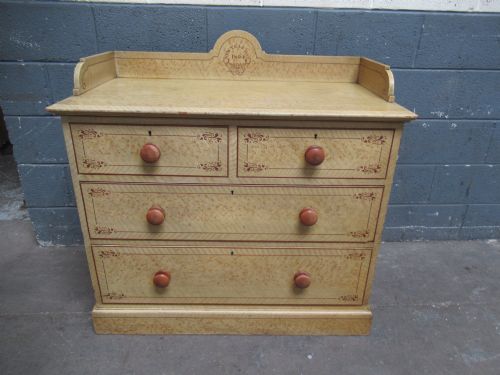
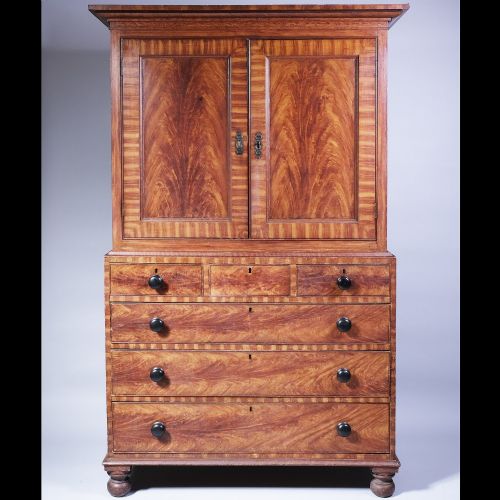
Grain painted furniture encompasses a range of domestic and utilitarian pieces finished to mimic more expensive timber such as oak, maple, or walnut. You are most likely to encounter Victorian and nineteenth-century pine chests of drawers, cupboards, and washstands bearing this decorative surface treatment.
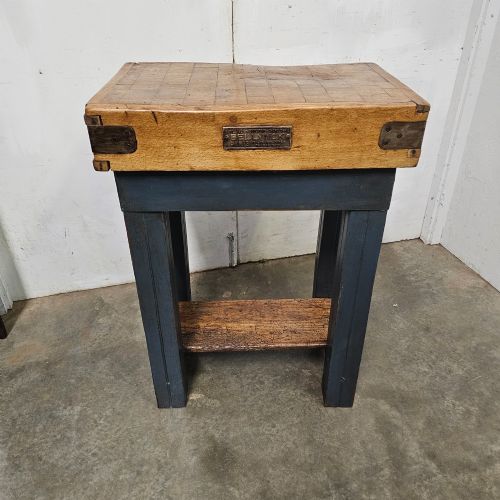
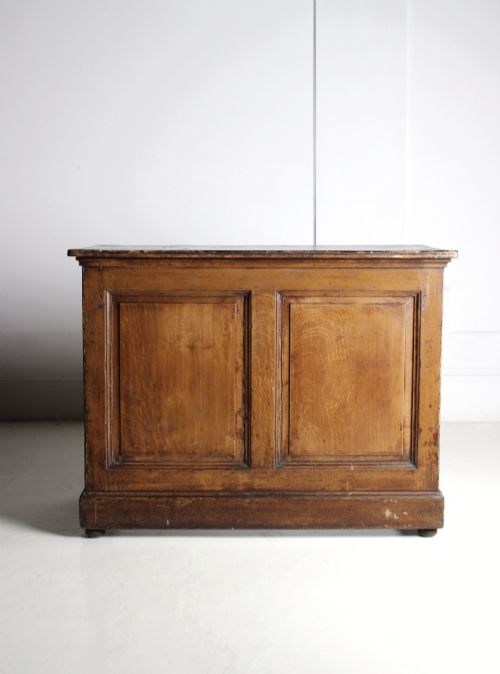
These items originate primarily from country houses and provincial settings, drawing on Scandinavian country, rustic farmhouse, and folk art traditions. The forms include shop counters, linen presses, miniature chests, writing desks, and wall cabinets.
The aesthetic bridges practical storage needs with decorative expression, relying on applied surface pattern rather than solid exotic timber to achieve its visual impact.
How they were made
Makers constructed the primary carcases and panels using softwood and pine, providing a stable, pale base suitable for decorative finishing. Iron or brass hardware and ceramic elements often complemented these wooden structures.
Artisans applied layered paint and scumble glazes using combs, feathers, and specialised brushes to drag, wipe, and stipple the wet medium into simulated wood grains or faux marble effects. This technique allowed ordinary timber to emulate rich hardwoods or complex stone surfaces.
Grain Painted Furniture Retail Price Guide 2026
Typical asking prices for grain painted furniture among the pieces listed under this phrase on Sellingantiques today, from the lower quarter to the upper quarter. They describe what is for sale here now, not the wider market.
A tiny miniature chest sits alongside full-sized shop counters, proving that nineteenth-century painters took their faux finishes very seriously indeed.
What varies in quality
The distinction between ordinary and exceptional examples rests upon the skill and subtlety of the brushwork and the preservation of the original surface. Master practitioners achieved convincing depth and movement in the graining that rivalled actual timber.
The integrity of the original paint layer dictates the character of the piece, with untouched surfaces retaining the subtle patination accrued over generations of domestic use.
The Grain Painted Furniture Glossary
- Scumble
- A semi-transparent glaze applied over a lighter base coat and manipulated with tools to create decorative grain patterns. This technique forms the foundation of much nineteenth-century decorative painting.
- Softwood
- Timber derived from conifers, predominantly pine in these listings, which served as the standard substrate for country furniture. It accepted painted and glazed finishes readily.
- Escritoire
- A small writing cabinet fitted with a sloping or drop-down writing surface and internal compartments. These pieces combined practical desk space with compact storage.
- Washstand
- A dedicated piece of domestic furniture designed to hold a basin and jug for morning ablutions, often featuring a protective back guard or specialised top. They frequently incorporated cupboards or lower shelves.
Grain Painted Furniture: Frequently Asked Questions
What is grain painted furniture?
Grain painted furniture consists of wooden items, usually pine, finished with decorative paint layers designed to simulate expensive hardwoods or marble. Artisans used specialised tools to manipulate wet glaze and create realistic wood patterns.
This tradition spanned the nineteenth century, appearing in domestic interiors, country houses, and shops across Britain and Scandinavia.
How do I clean grain painted surfaces?
Cleaning requires a soft, dry cloth to remove dust without disturbing the historic surface layer. Avoid harsh detergents or excessive moisture, which can damage original scumble glazes.
Gentle maintenance preserves the delicate brushwork and patination built up over more than a century of use.
Are these pieces made of solid pine?
The listings show that primary carcases, drawers, and panels were constructed from pine and softwood. These accessible timbers provided a pale, uniform background for decorative paint finishes.
Secondary woods might occasionally appear in internal linings, but pine remains the dominant material across all recorded forms.
How can I tell if the paint is original?
Original finishes exhibit natural wear patterns, consistent ageing within the glaze layers, and harmonious integration with the underlying pine structure. Close inspection reveals the characteristic tool marks left by nineteenth-century decorators.
Surface patination develops organically over time, distinguishing authentic nineteenth-century execution from later decorative work.