




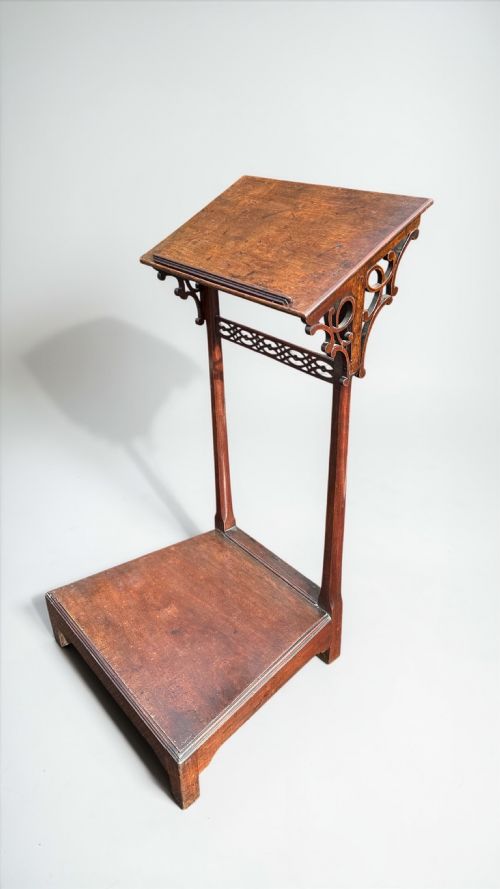


Gothic Wooden Stool
A gothic wooden stool brings architectural weight and ecclesiastical character into a room through pointed arches, heavy timbers, and dark finishes.
Gothic Wooden Stool
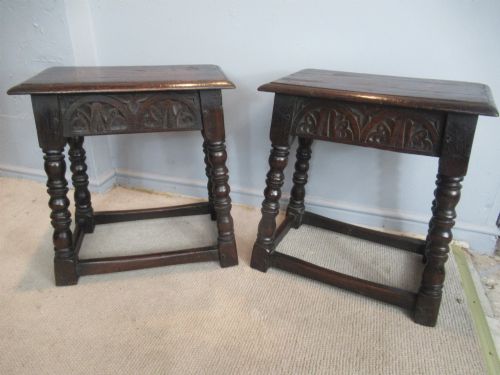
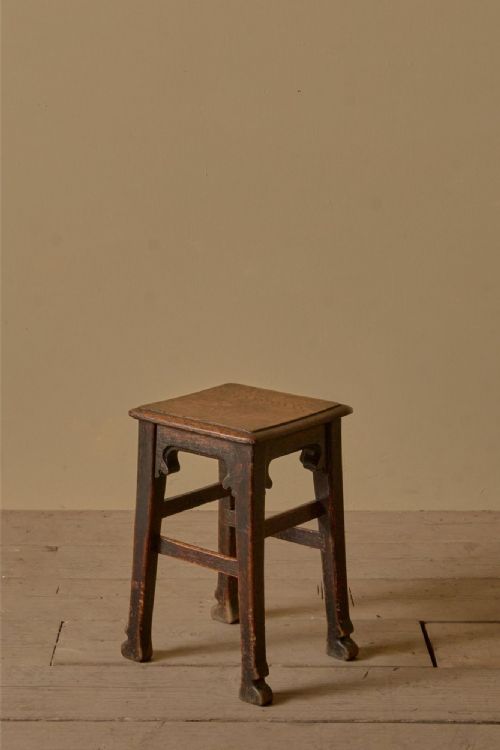
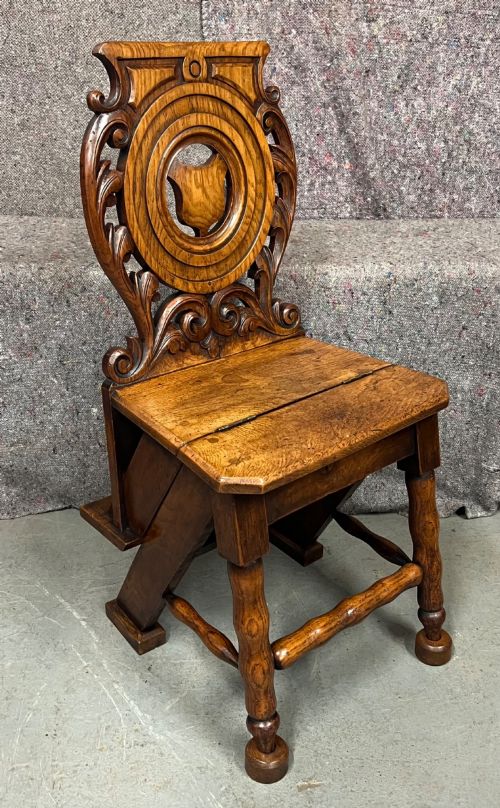
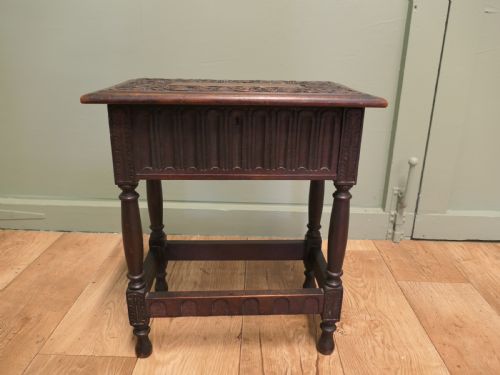
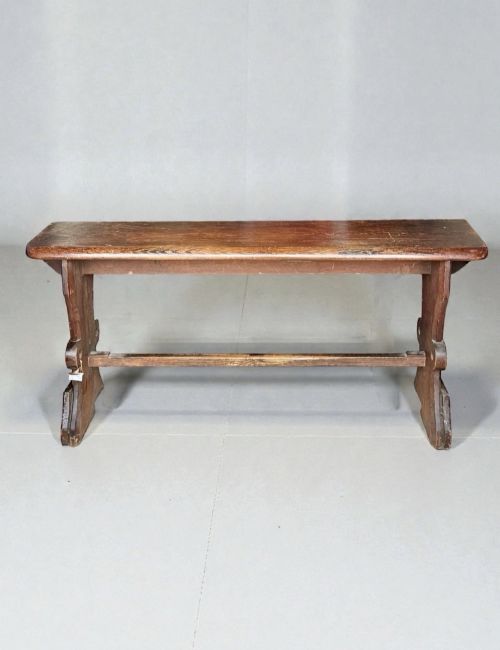
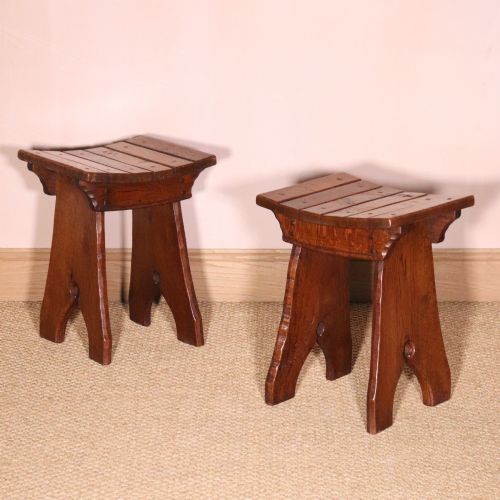
A gothic wooden stool combines structural solidity with medieval architectural motifs, serving as a functional seat or low table. When searching for a gothic wooden stool, buyers encounter diverse forms ranging from simple joint stools and board constructions to elaborate devotional seating and bench seats.
The pieces appearing in these listings span the nineteenth century and the Victorian era, heavily influenced by Gothic Revival and Arts and Crafts movements. Many items reflect ecclesiastical origins, drawing inspiration from church furnishings and monastic joinery rather than domestic comfort alone.
Constructed primarily as sturdy small-scale seating, these examples often double as occasional tables or window seats. The selection shows a prevalence of nineteenth-century craftsmanship alongside earlier vernacular interpretations of gothic joinery.
Materials and construction methods
Makers relied heavily on solid oak, pine, and assorted hardwoods, frequently combining timber with fabric upholstery, iron brackets, or brass fittings. Structural integrity depended on traditional joinery techniques such as mortise and tenon joints, board construction, and pegged frames designed to support heavy daily use.
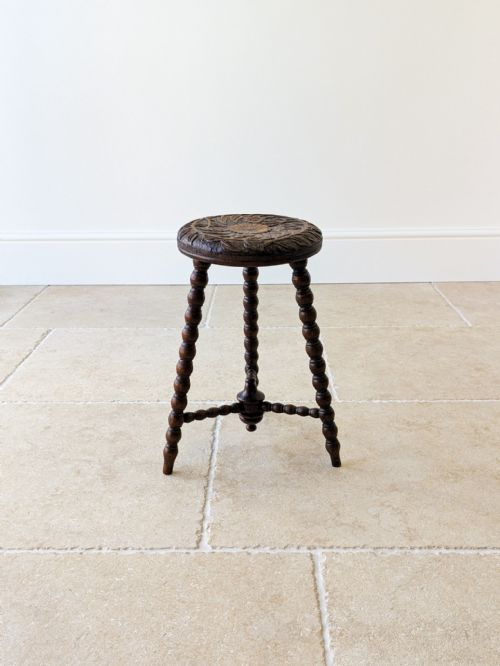
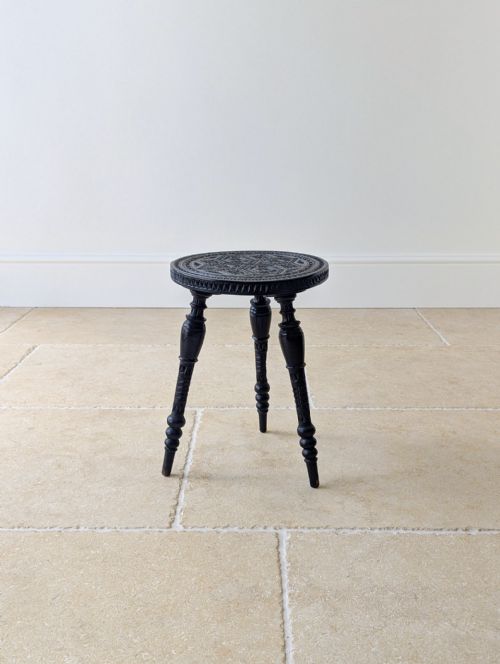
Surface decoration involved deep chip-carving, scratch-moulding, and ebonising to imitate much older monastic timberwork. Artisans utilised burr elm accents and carved linenfold panels to achieve the authentic ecclesiastical texture demanded by Gothic Revival patrons.
Gothic Wooden Stool Retail Price Guide 2026
Typical asking prices for gothic wooden stool among the pieces listed under this phrase on Sellingantiques today, from the lower quarter to the upper quarter. They describe what is for sale here now, not the wider market.
Evaluating craftsmanship and design
Quality rests upon the crispness of the hand-carved ornamentation and the architectural ambition of the frame. Finer examples display deeply undercut tracery, well-balanced proportions, and authentic period timber rather than mechanical uniformity.
The distinction between standard utility seating and exceptional workshop pieces lies in the integration of structural joinery with decorative motifs. Superior items maintain integrity through sound timber selection and restrained, purposeful carving that honours historical precedents.
Jack Grimble·Richard Bridgens
The Gothic Wooden Stool Glossary
- Gothic Revival
- An architectural and decorative style popular in the nineteenth century that revived medieval forms, pointed arches, and heavy structural elements.
- Joint stool
- A sturdy wooden stool constructed with pegged mortise and tenon joints rather than turned legs, common in domestic interiors from the sixteenth century onwards.
- Ebonising
- The process of treating timber, often fruitwood or oak, with chemical stains or black finishes to imitate ebony.
- Prie-dieu
- A small devotional desk or low chair equipped with a kneeling rail and a shelf for prayer books.
- Linenfold
- A style of wood panel carving that resembles folded parchment or linen cloth, frequently seen in gothic furniture.
Gothic Wooden Stool: Frequently Asked Questions
How were these stools used historically?
These stools served practical domestic and ecclesiastical functions, acting as seating, occasional tables, or devotional furniture near beds and desks. Taller variants often functioned as church organist benches or library steps.
Their robust construction allowed them to withstand heavy daily use in both domestic households and institutional settings.
How do I style a gothic wooden stool at home?
A gothic wooden stool works effectively as an isolated accent piece, a bedside table, or a low display surface for plants and lamps. The dark timbers and carved details anchor lighter, contemporary interior spaces.
Pairing the stool with neutral textiles allows the heavy grain and architectural carvings to remain the primary visual focus.
How can I tell the period of a gothic stool?
Dating relies on examining tool marks, timber shrinkage, joinery methods, and stylistic cues from specific revivals like the Victorian Gothic Revival or Arts and Crafts movement. Nineteenth-century interpretations often feature machine-sawn components alongside hand-finished carving.
Comparing the proportion of the mouldings and the patina of the wood against documented period examples helps clarify the likely decade of manufacture.