





Gothic Table Stand
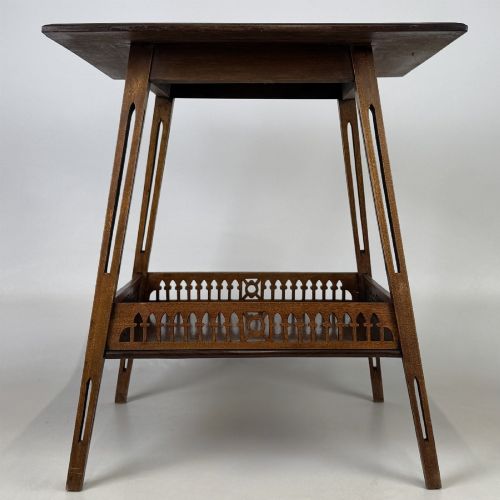
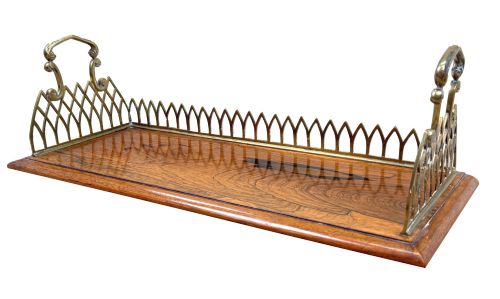
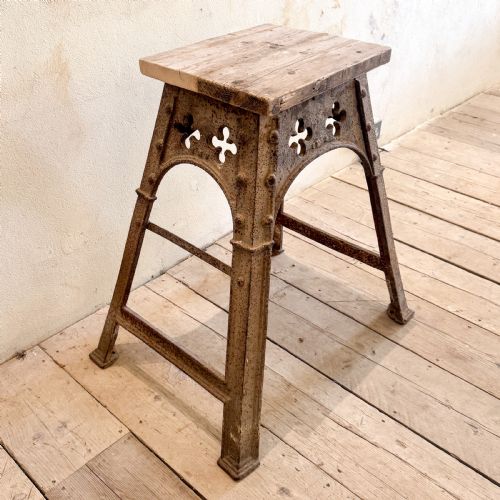
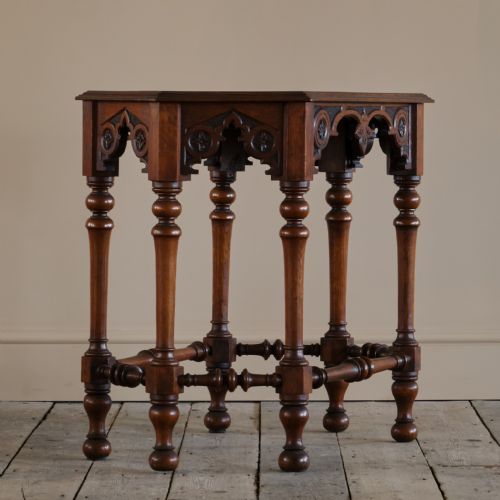
These gothic table stand pieces bring architectural presence and solid timber grain to a room, offering sturdy support with characteristic pointed arches or heavy turned legs.
Gothic Table Stand
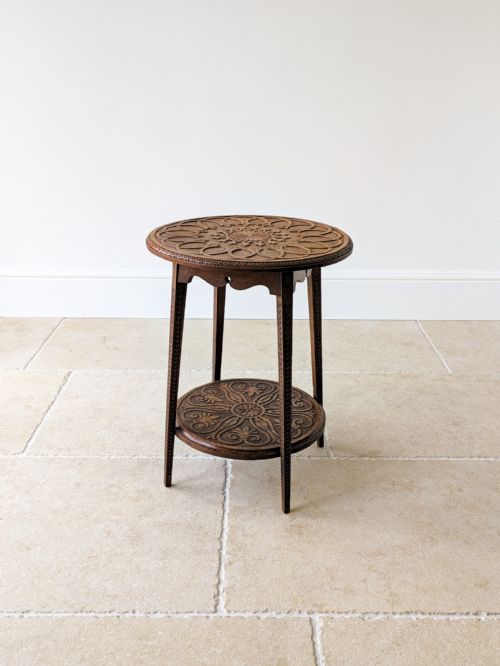
A gothic table stand serves as a functional surface or support, appearing frequently across the nineteenth century and into the Edwardian period in various forms. Buyers seeking a gothic table stand encounter sturdy occasional tables, plant stands, stools, and side tables built with strong medieval influences.
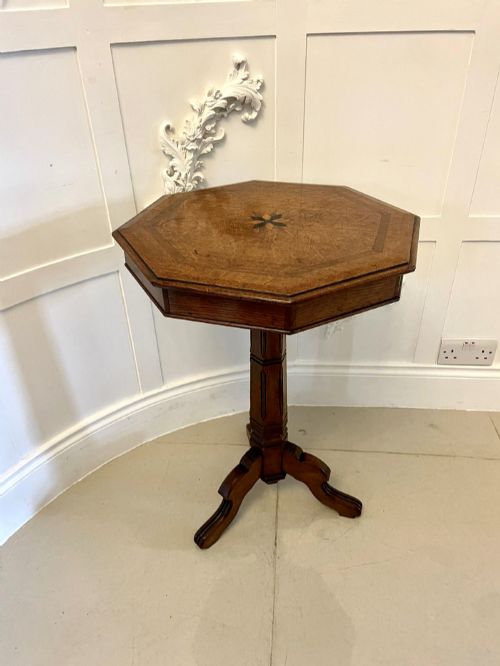
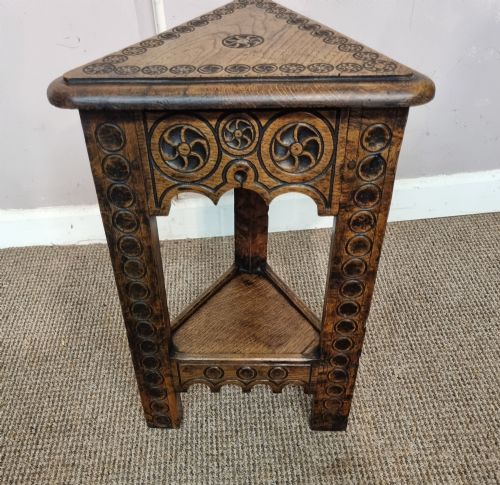
Most examples originate from the Victorian era or closely connected revival movements, utilising robust designs suited for domestic interiors. These items range from simple triangular and octagonal tops to elaborate carved surfaces displaying distinct architectural motifs.
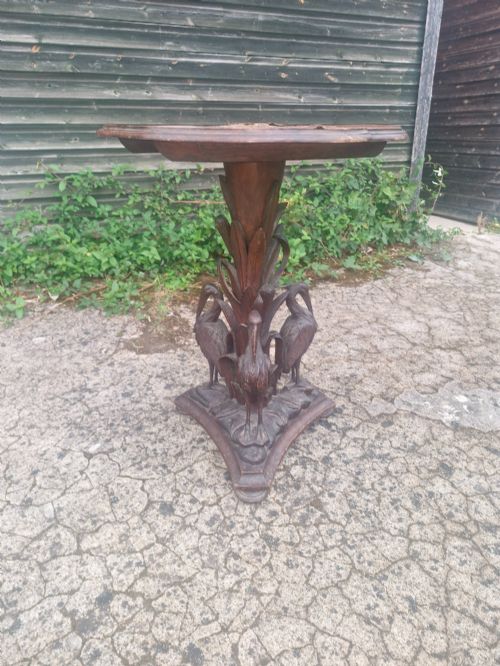
The selection includes specialised variations such as plant stands, torchere columns, and low stools alongside standard side tables. Each piece reflects the enduring popularity of historic revival styles in British homes.
Judging the standard of execution
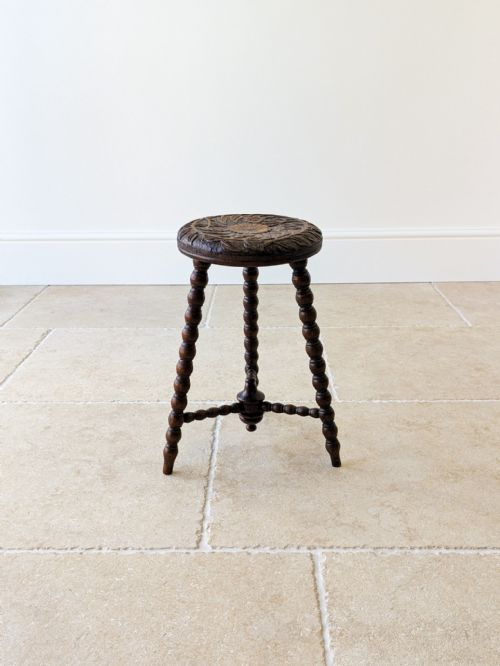
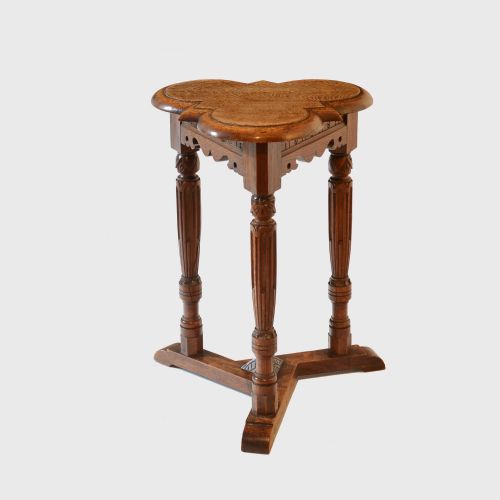
Quality rests in the crispness of the hand-carving and the structural integrity of joints like the barley twist legs and tripod bases. Superior examples display thoughtful proportion and dense, well-figured timber rather than superficial surface ornamentation.
Makers who supplied these pieces invested time in balanced weight distribution and secure joinery, ensuring that smaller items like plant stands and stools remained stable during daily use.
Gothic Table Stand Retail Price Guide 2026
Typical asking prices for gothic table stand among the pieces listed under this phrase on Sellingantiques today, from the lower quarter to the upper quarter. They describe what is for sale here now, not the wider market.
Some stands feature clever trefoil and clover leaf tops designed specifically to corner awkward Victorian room layouts.
Liberty & Co·Wm. Tonks & Sons·T Thomason & Co
The Gothic Table Stand Glossary
- Gothic Revival
- An architectural and decorative style drawing inspiration from medieval buildings, pointed arches, and heavy timber construction. It dominated much of the nineteenth century design landscape.
- Barley Twist
- A type of turned furniture leg resembling a spiral rope or twisted column. This method required precise lathe work common in seventeenth-century furniture revived later.
- Torchere
- A tall stand designed originally to hold a torch or candle, later adapted for lamps or decorative plants. These slender supports emphasise verticality in a room.
- Ebonised
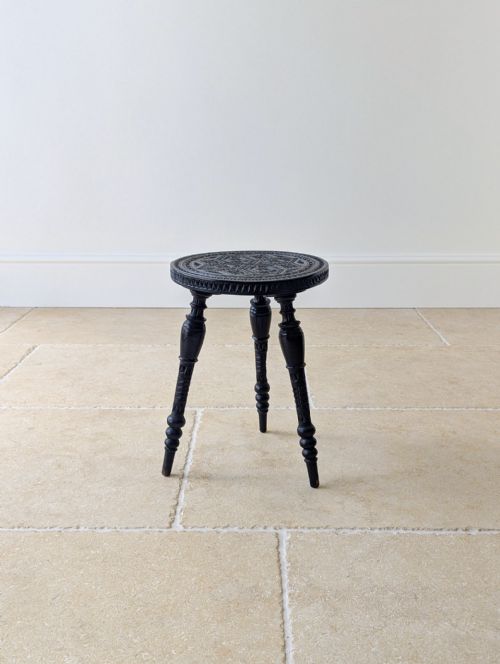
- Wood treated with chemical stains or dark finishes to imitate expensive ebony. This technique gained immense popularity during the Victorian period for accentuating carved details.
Gothic Table Stand: Frequently Asked Questions
How were these stands used?
Original placement depended on the specific form, ranging from holding heavy table lamps and books to displaying potted ferns and decorative objects. Tall torchere stands elevated light sources or plants into corners.
Lower stools and occasional tables sat beside seating areas for easy access. Their robust builds allowed them to handle everyday household tasks safely.
How do I date a piece?
Dating relies on identifying material choices, revival styles, and construction marks characteristic of specific decades like the Victorian or Edwardian eras. Stylistic overlap between Gothic Revival and Arts and Crafts movements helps narrow the timeline.
Examination of the timber grain, fastener types, and carved motifs provides further clues. Marked pieces bearing maker stamps offer the most direct chronological evidence.
Will these fit modern interiors?
The rich timber tones and strong architectural lines complement both traditional spaces and contemporary minimalist rooms. Their compact footprints make them versatile additions to hallways, living rooms, and bedrooms.
These functional surfaces mix easily with modern upholstery and lighting. Their durable nature ensures they handle daily placement requirements without difficulty.