



Gothic Style Table
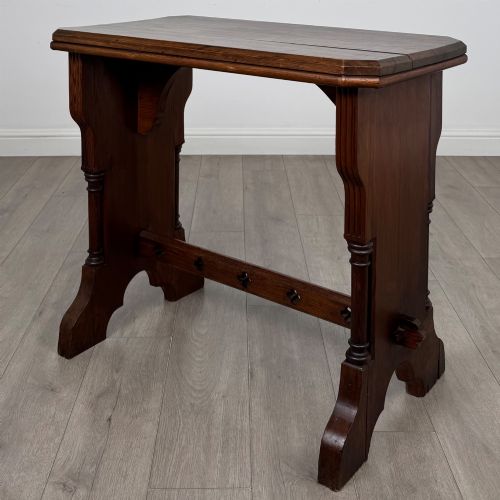
A gothic style table brings medieval architectural weight into domestic rooms, mostly appearing here as sturdy oak side and lamp tables from the nineteenth century.
Gothic Style Table
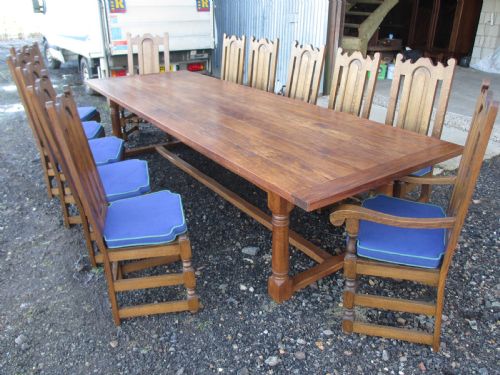
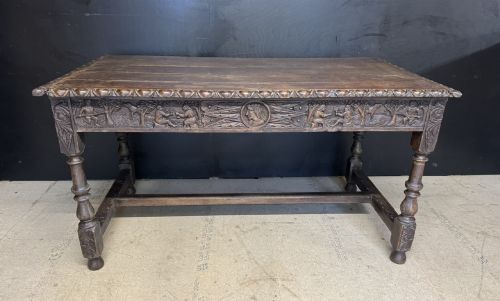
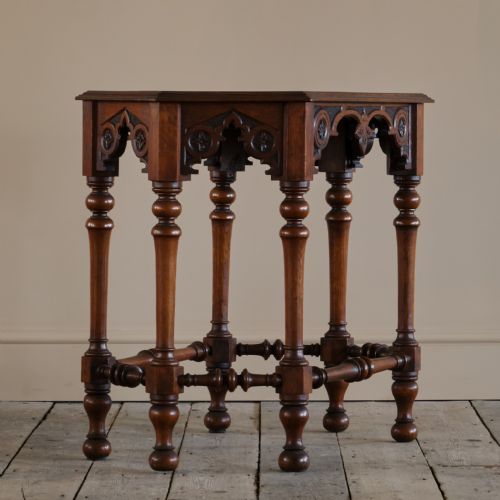
When you examine a gothic style table on this page, you are looking primarily at domestic furniture shaped by the nineteenth-century revival of medieval architecture and ornament. The selection runs from modest occasional pieces to substantial centre and dining tables.
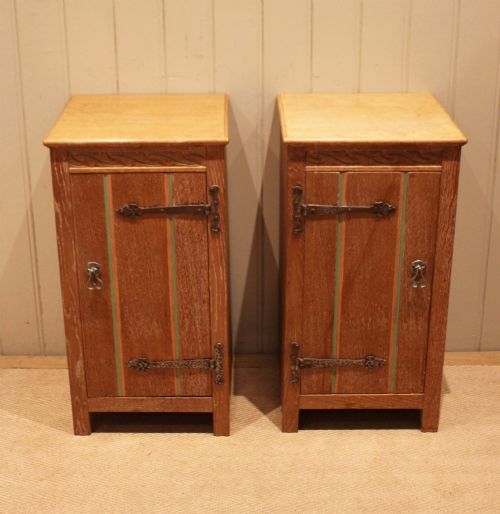
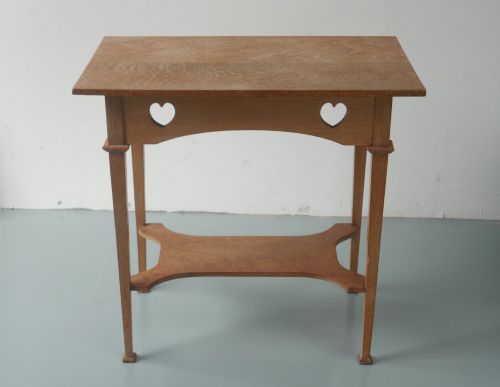
Oak dominates the forms, appearing alongside pitch pine and painted wood in side tables, lamp tables, and occasional formats. These items reflect the Victorian and Edwardian taste for ecclesiastical and medieval joinery adapted for ordinary household use.
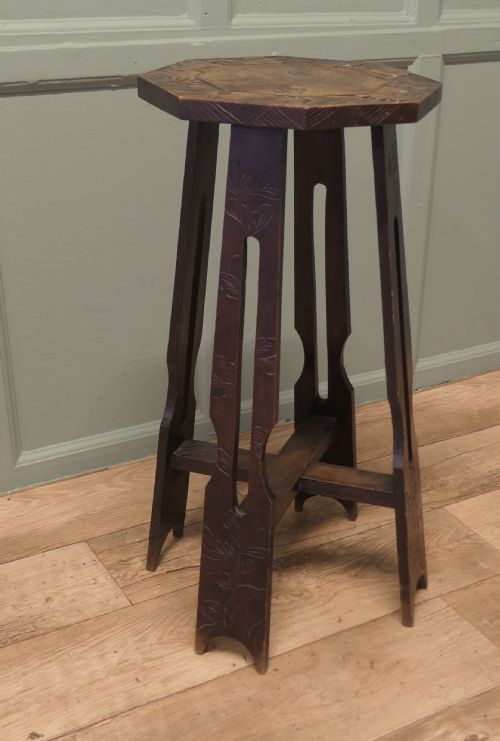
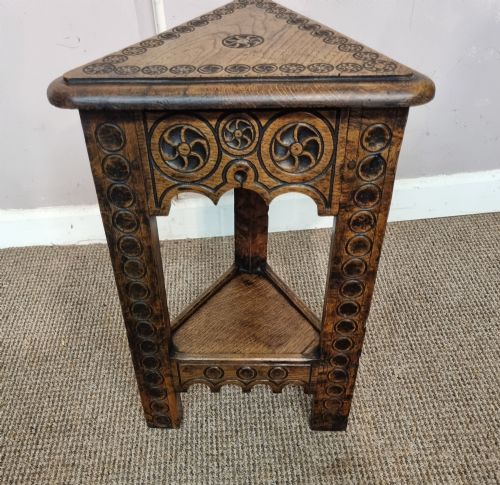
The assortment also includes regional variants and related revival styles such as Jacobean and Arts and Crafts iterations. Buyers will encounter items ranging from simple chip-carved surfaces to profusely carved oak structures bearing stretcher bases.
How they were made
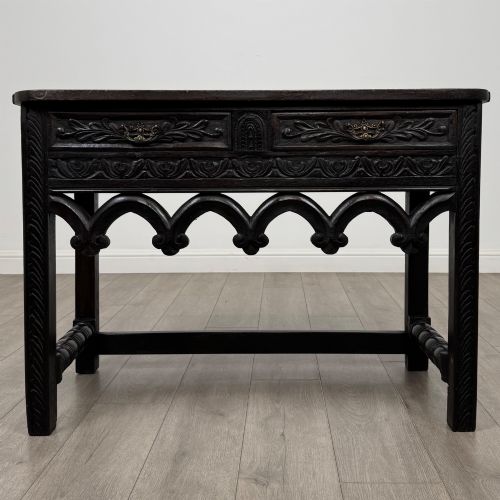
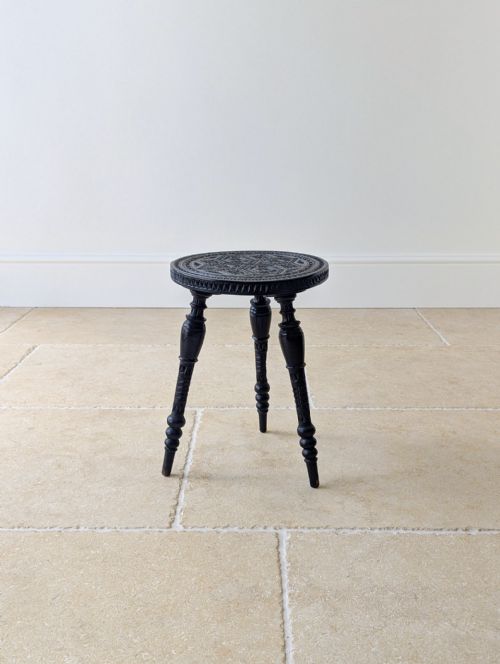
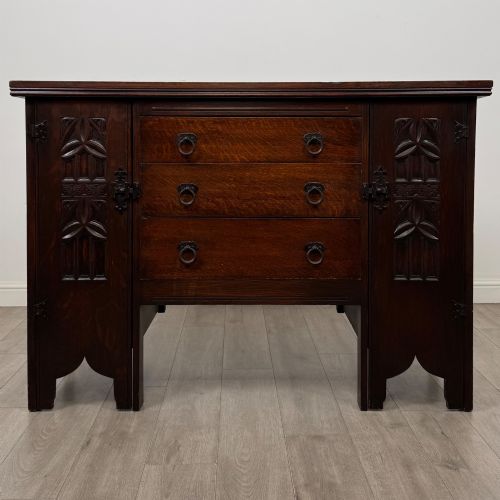
Joinery relies heavily on solid oak and pitch pine, shaped with traditional techniques like joint construction and pegged framing. Surfaces often show deep chip-carving, linenfold panels, or barley twist legs that emulate medieval and gothic structural motifs.
Makers utilised secondary materials such as brass, iron, and ebonised hardwood for handles, mounts, and decorative accents. Painted finishes and blackened treatments appear on pine and oak carcasses to achieve a heavier, solemn aesthetic.
Construction methods vary from country workshop production to more refined cabinet work, using timber selected for grain pattern and durability. The physical weight of the pieces stems from dense hardwoods and substantial stretcher supports designed to carry heavy loads.
Gothic Style Table Retail Price Guide 2026
Typical asking prices for gothic style table among the pieces listed under this phrase on Sellingantiques today, from the lower quarter to the upper quarter. They describe what is for sale here now, not the wider market.
Several side tables double discreetly as sewing boxes or bottle racks, hiding domestic utility behind stern medieval facades.
What varies in quality
The standard of carving distinguishes standard domestic work from exceptional examples. Crisp, deeply undercut details in the wood show a carver's command, whereas shallower work appears softer and less defined.
Proportion and timber selection dictate the success of the construction. Pieces built from well-figured oak with balanced structural rhythm hold presence, while lesser examples can feel heavy-handed or clumsy in their execution.
The integrity of the original joints and the condition of the timber surfaces dictate longevity. Uniformity in the finish and tight joinery separate carefully made furniture from utilitarian workshop output.
Liberty & Co·Richard Winter of Chieveley·Baillie Scott
The Gothic Style Table Glossary
- Gothic Revival
- An architectural and design movement spanning the eighteenth and nineteenth centuries that reinterprets medieval forms. It draws inspiration from pointed arches, ecclesiastical tracery, and heavy timber framing.
- Stretcher Base
- Horizontal wooden braces connecting the legs of a table near the floor to provide rigidity. In these pieces, they often take robust forms that echo medieval trestle construction.
- Chip Carving
- A technique where small chips are removed from a flat wooden surface with knives or chisels to create geometric patterns. It appears frequently on the borders and panels of these surfaces.
- Barley Twist
- A turned wooden furniture leg resembling a spiralling rope. This detail was popular in seventeenth-century joinery and revived during the Victorian era.
- Pitch Pine
- A resinous North American pine species utilised for nineteenth-century furniture and interior woodwork. It provides a distinct grain pattern when finished.
Gothic Style Table: Frequently Asked Questions
How do I identify a Victorian gothic piece?
Look for characteristic architectural motifs such as pointed arches, quatrefoils, and heavy chamfered edges carved into solid oak. These design elements mimic medieval stonework translated into domestic woodwork.
The use of dark finishes, ebonised surfaces, and pegged joints further points to the nineteenth-century revival period rather than true medieval origins.
Where were these tables used originally?
Such furniture was designed for libraries, halls, and studies in nineteenth-century homes influenced by the Gothic Revival movement. They suited rooms intended to display scholarly or antiquarian tastes.
Smaller formats functioned as occasional surfaces for lamps or books, while larger refectory and centre versions anchored principal reception rooms.
How should I care for antique oak surfaces?
Maintain the wood by applying natural beeswax periodically to nourish the dry timber and protect the grain. Avoid placing pieces near direct heat sources or strong sunlight to prevent warping.
Dust regularly with a soft, dry cloth rather than using silicone-based polishes that can build up and dull the historic finish over time.
Can I use an occasional table daily?
These pieces were built from sturdy hardwoods like oak and pitch pine specifically for robust everyday use. Their solid construction handles regular placement of lamps, books, and objects.
Use coasters and felt pads to protect historic table tops from moisture rings and scratches while enjoying them in daily settings.