






Gothic Style Candlesticks
Gothic style candlesticks bring medieval verticality and heavy metalwork into a room, offering an immediate anchor of ecclesiastical gravity.
Gothic Style Candlesticks
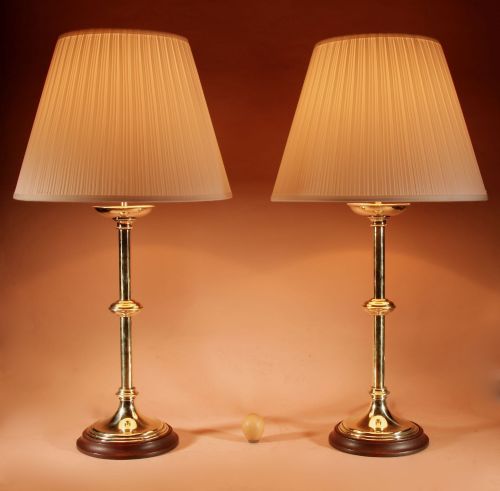
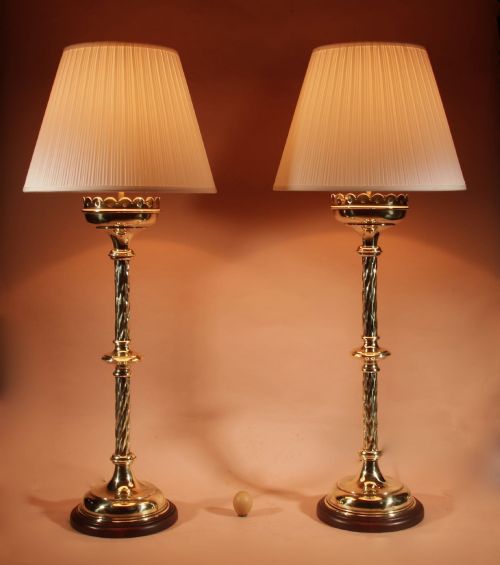
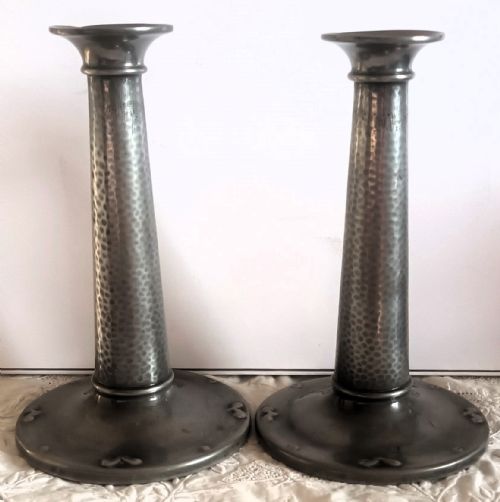
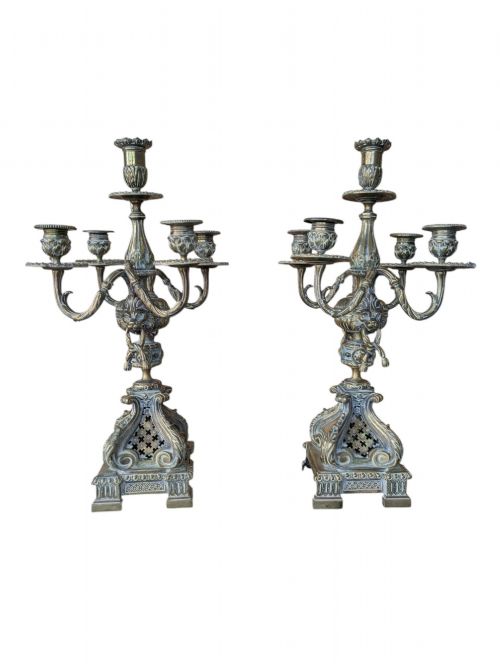
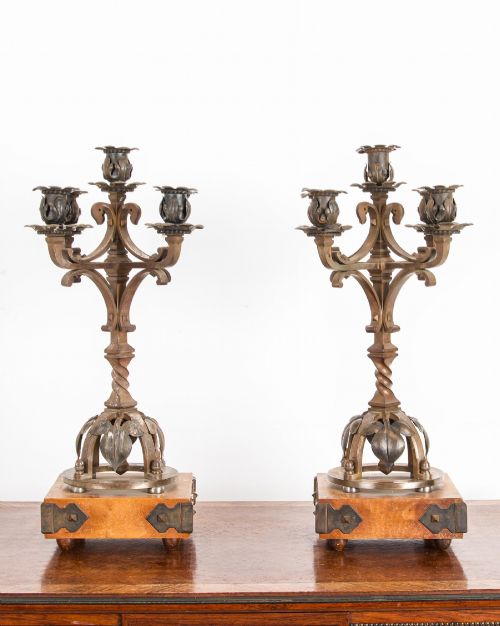
Gothic style candlesticks encompass table lights, prickets, multi-branch candelabra, and tall floor standards designed to evoke medieval architecture and church furnishings. Most examples encountered here date from the nineteenth and early twentieth centuries, spanning Victorian revivals through to Arts and Crafts and Dutch Art Deco interpretations.
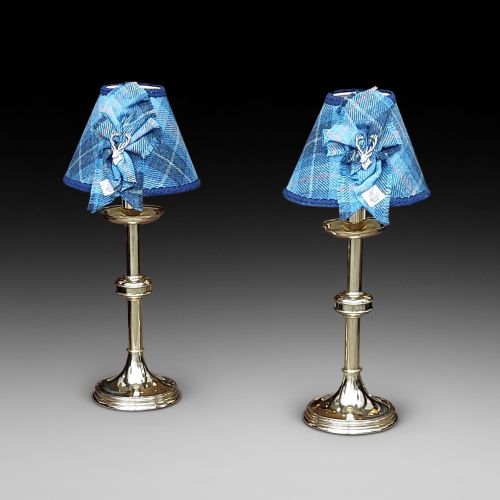
The form relies heavily on architectural motifs, drawing direct inspiration from cathedral stonework, pointed arches, and heavy ecclesiastical fittings. Buyers typically find pairs intended for altar use or domestic lighting, often wired later into table lamps whilst retaining their original cast or wrought metal dignity.
How they were made
The physical weight of these objects comes from casting techniques in brass, bronze, and pewter, or through the manual forging of wrought iron. Metalworkers used sand casting for detailed decorative bases and socket cups, finishing surfaces with hand-chiselling to sharpen the architectural profiles.
Makers integrated various metals alongside timber and fabric components, particularly where church candlesticks were adapted later into domestic lamps. The construction prioritises structural heft, ensuring that multi-branch candelabra and tall floor torchères remain balanced under the weight of heavy candles.
Gothic Style Candlesticks Retail Price Guide 2026
Typical asking prices for gothic style candlesticks among the pieces listed under this phrase on Sellingantiques today, from the lower quarter to the upper quarter. They describe what is for sale here now, not the wider market.
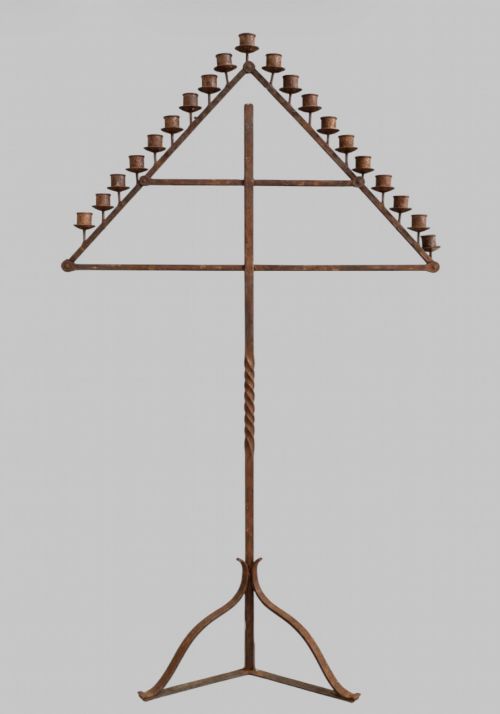
Object forms here range from standard table candlesticks and church prickets to multi-branch candelabra and architectural floor torchères.
What varies in quality
Quality rests primarily in the crispness of the casting and the integrity of the metalwork, distinguishing heavy, purposeful architecture from lighter, mass-produced decorative items. Finer examples display deliberate weight, clean joints in wrought iron, and deep relief work in cast brass or bronze.
Proportion and design fidelity also separate standard domestic wares from pieces intended for serious ecclesiastic settings or ambitious Arts and Crafts workshops. A successful piece maintains its architectural silhouette without leaning into fussy ornamentation.
The Gothic Style Candlesticks Glossary
- Pricket
- A sharp metal spike on a candlestick designed to impale the base of a candle, common on early church pieces. This form predates the socket candlestick.
- Torchère
- A tall ornamental stand or candlestick designed to hold a light source high above the floor. They often feature architectural ironwork.
- Candelabra
- A branched candlestick holding multiple lights on separate arms. These pieces range from domestic table models to large five-branch architectural statements.
- Ecclesiastic
- Pertaining to the Christian church and its clergy, describing items originally made for use in religious services. These designs heavily influence Gothic revival metalwork.
- Arts and Crafts
- A design movement valuing traditional craftsmanship, visible construction, and simple forms over mass-produced ornamentation. Pewter and brass were favoured materials for these workshops.
Gothic Style Candlesticks: Frequently Asked Questions
How do I date a gothic candlestick?
Dating relies on examining the manufacturing marks, casting methods, and the specific stylistic revival movement present in the metal. Nineteenth-century examples often lean heavily into strict architectural Gothic Revival, whereas early twentieth-century pieces incorporate Arts and Crafts or Deco influences.
Material choices also help narrow the era, as heavy cast brass and wrought iron dominate the Victorian ecclesiastical items, while pewter becomes more prominent in later Arts and Crafts pieces.
Can I use these for normal candles?
Many traditional pieces use prickets rather than standard sockets, meaning modern candles require drilling or specific fittings to sit securely. Socket-style candlesticks accommodate standard dinner candles more easily, though older internal diameters can vary.
Floor torchères and multi-branch candelabra often serve best with heavier, wider candles to maintain balance and proper proportion against the substantial metal bases.
Were these originally made for churches?
A significant portion of these metalwares originated in ecclesiastical settings, including church altars and chapels, before entering the domestic market. Makers frequently adapted these sturdy ecclesiastic pieces into table lamps during the twentieth century by adding electrical fittings.
Secular domestic versions were also produced during the Victorian and Arts and Crafts periods, adopting the same medieval aesthetic for home use without the religious context.
How do I care for antique brass and iron?
Maintenance requires gentle dusting and avoiding harsh chemical polishes that strip away the aged patina built up over decades. Wrought iron benefits from occasional light waxing to protect the surface from moisture and active rust.
Preserving the original surface texture maintains the historical character of the metalwork, ensuring the piece retains its architectural presence.