





Gothic Side Stool
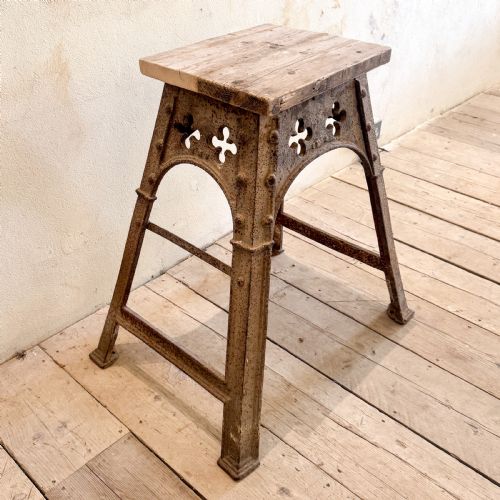
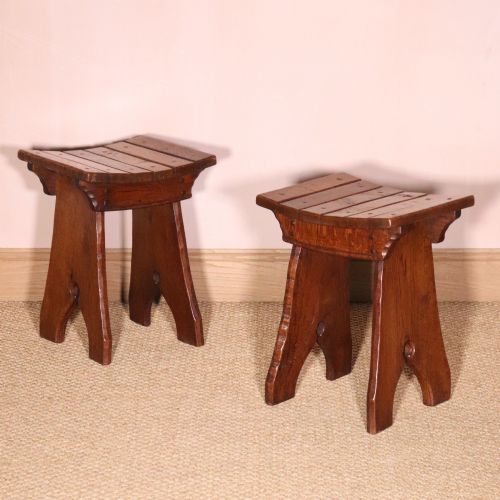
A gothic side stool brings heavy timber and pointed arches straight into a hallway, offering solid seats with serious architectural weight.
Gothic Side Stool
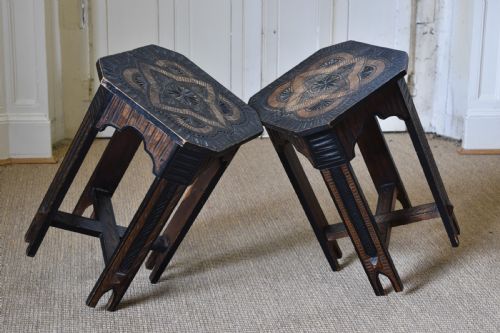
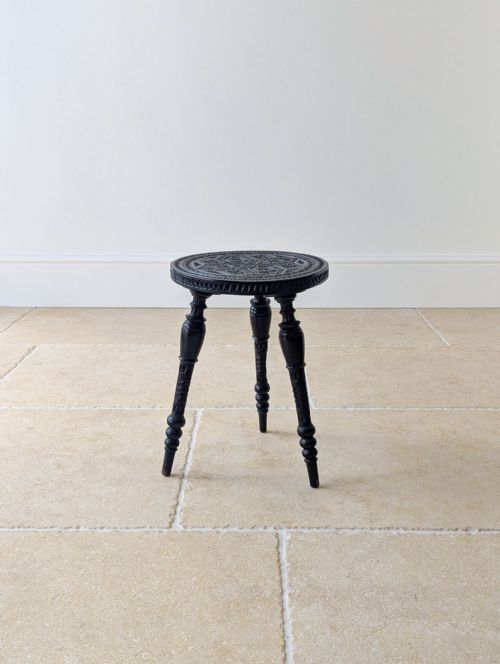
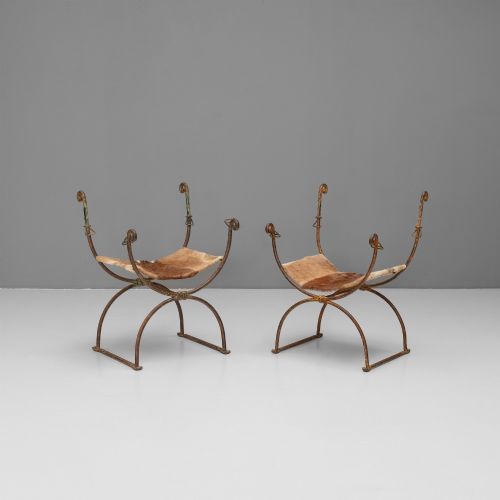
A gothic side stool draws upon medieval forms, featuring heavy timber construction and architectural detailing adapted for domestic interiors. These seating pieces appear across various periods, including the nineteenth century and the twentieth century, taking the form of boarded stools of trestle form, box stools, and occasional pieces.
Buyers seeking a gothic side stool encounter variations influenced by movements such as Gothic Revival, Jacobean Revival, and Arts and Crafts. Pieces span multiple decades from the Victorian era through to the mid-twentieth century, utilising robust woods and traditional joinery.
The selections available range from simple boarded trestle forms to carved oak box stools and triangulated designs. Each piece delivers compact occasional seating rooted in historical stylistic revivals.
What varies in quality
Quality rests in the crispness of the timber carving and the selection of the wood stock, where dense oak and figured walnut command attention over plain stained timbers. The integrity of the original joints dictates how well a piece withstands centuries of weight.
Proportion and execution distinguish standard vernacular workshop output from finer revival examples designed by skilled craftsmen. Subtle details in the edge moulding and surface finishing elevate the better items above simpler utility furniture.
Listings feature oak, walnut, and ebonised hardwood across periods spanning the Victorian era through the mid-twentieth century.
Jack Grimble·Richard Bridgens
The Gothic Side Stool Glossary
- Boarded stool
- A simple form of seating constructed from vertical planks or boards rather than post-and-rail framing. This method represents early domestic furniture construction.
- Trestle form
- A structural arrangement where the top sits upon supporting upright ends or legs rather than four corner posts. It provides stable ground contact for heavy wooden seats.
- Chip carving
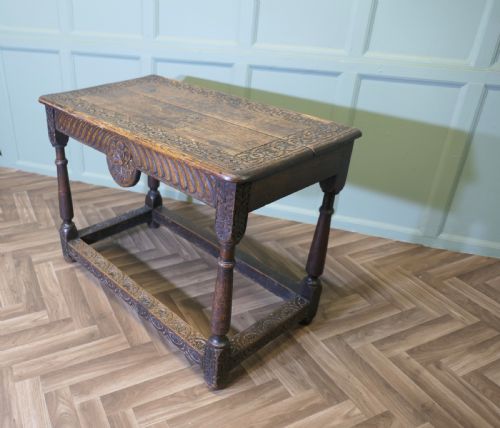
- A decorative technique where small chips are removed from the surface of wood to create geometric patterns. It appears frequently on vernacular revival tables and stools.
- Box stool
- A seating form incorporating a concealed storage compartment beneath the lift-up or fixed seat. These pieces combine utility with compact proportions.
Gothic Side Stool: Frequently Asked Questions
What defines a gothic side stool?
A gothic side stool relies on architectural motifs like pointed arches, heavy timber, and boarded construction. These elements echo medieval ecclesiastical design scaled down for domestic spaces.
They function as compact occasional seating or small display surfaces in hallways and living areas.
How do I date a wooden stool?
Dating depends on the combination of wood species, tool marks, joinery methods, and stylistic revival influences. Victorian and later revival pieces often mix historical motifs with industrial-era preparation techniques.
Examining the wear patterns and timber shrinkage offers further clues to the age of the piece.
Where should I place a side stool?
These sturdy wooden seats suit narrow hallways, entryways, or quiet corners requiring an architectural accent. Their compact footprints allow them to fit easily beside larger furniture.
They also serve as convenient low surfaces for resting small objects when not in use as seats.
How do I care for antique oak?
Antique oak benefits from occasional treatment with appropriate paste wax to nourish the dry timber and protect the surface. Avoid placing wooden furniture near direct heat sources or strong sunlight.
Gentle dusting with a soft cloth preserves the original patina built up over decades of use.