




Gothic Revival Architectural Salvage
Gothic revival architectural salvage brings medieval form into nineteenth-century spaces through stone, oak, iron and stained glass.
Gothic Revival Architectural Salvage
When you search for gothic revival architectural salvage, you encounter fragments and fixtures pulled from churches, chapels and grand houses, dominated by nineteenth-century Victorian pieces alongside eighteenth-century and pre-sixteenth-century examples.
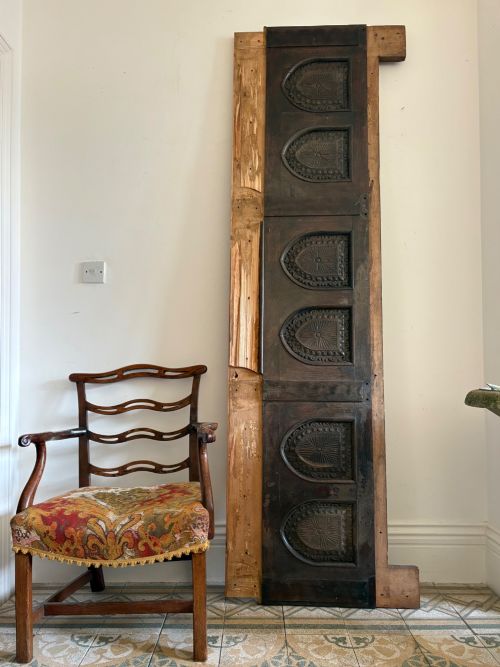
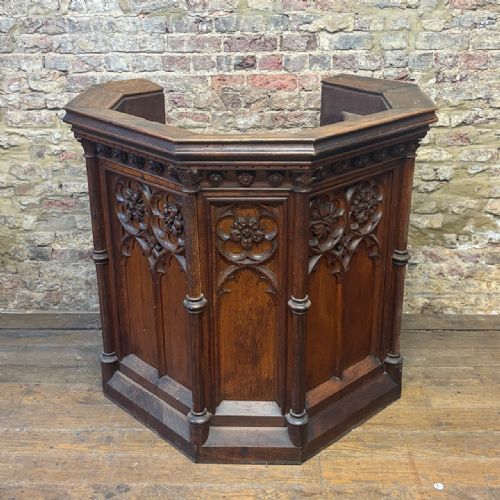
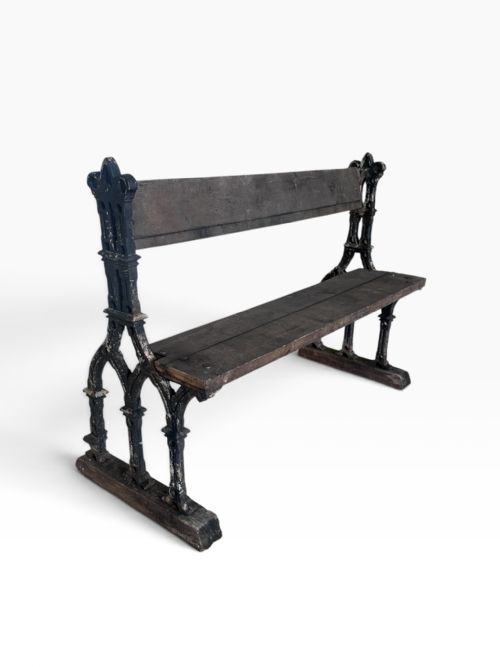
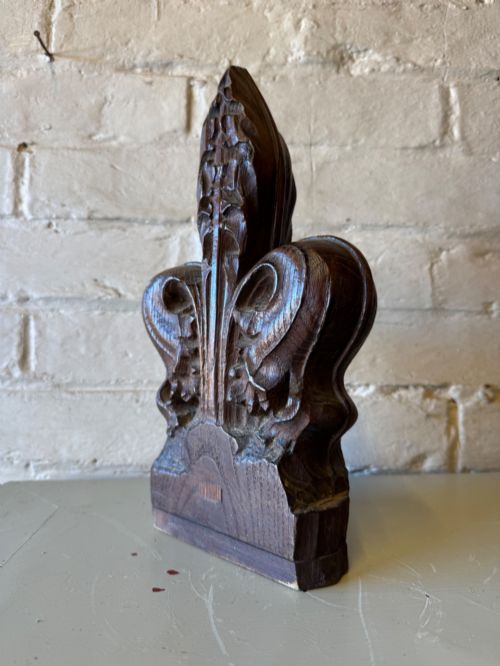
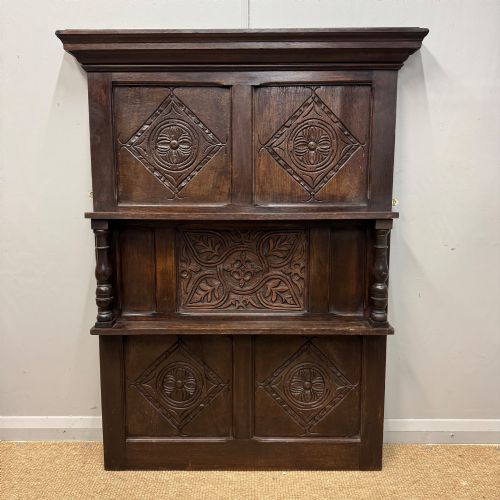
The selection on this page ranges from oak church pulpits, linenfold panels and overdoor pediments to sandstone fragments, cast iron garden benches and stained glass windows.
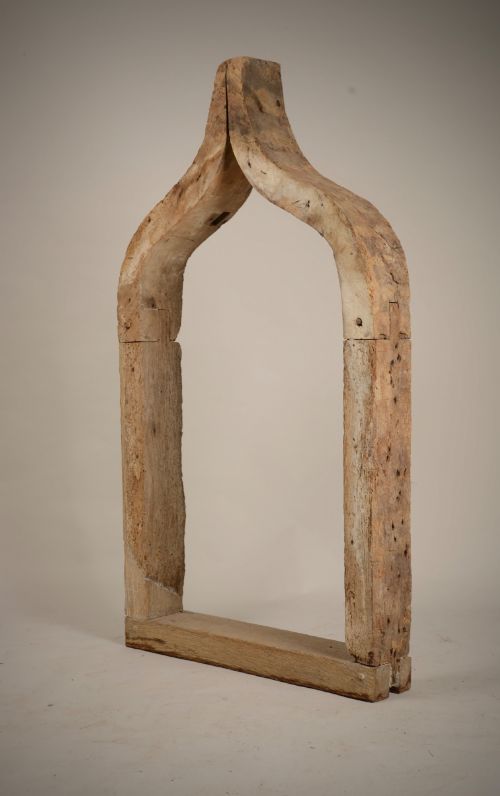
Buyers look for these items to anchor modern rooms with genuine historic weight, utilising distinct elements like tracery panels, finials and window frames.
Materials and Construction
The objects combine heavy timbers like oak and pine with durable media such as sandstone, limestone, cast iron, lead and glass, shaped through traditional carving, masonry and metalworking techniques.
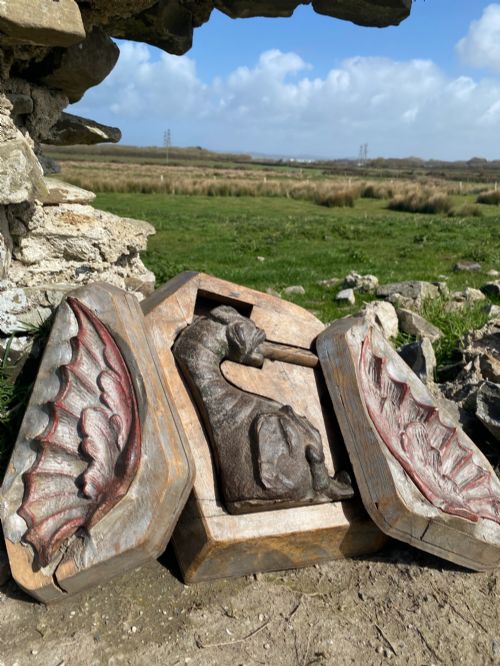
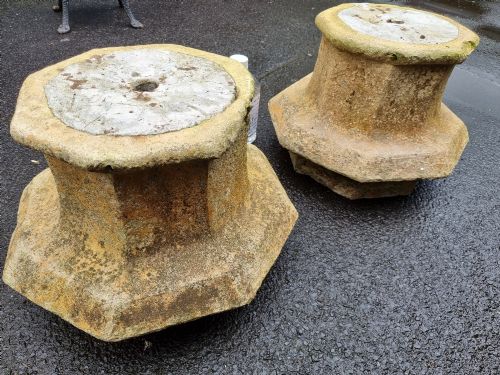
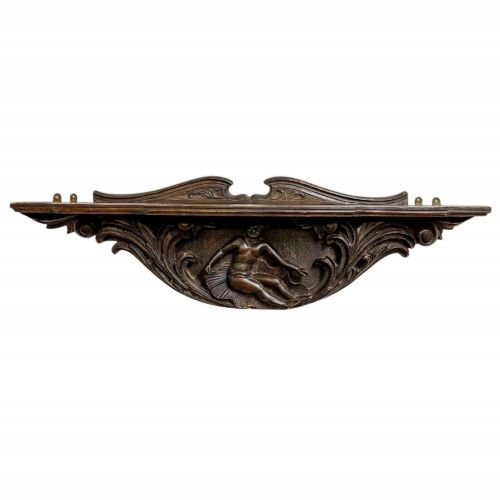
Makers utilised solid woods for intricate relief carvings on panels, pulpits and bed posts, while stone was carved into pinnacles, planters and architectural fragments.
Metal components incorporate cast iron, brass and wrought ironwork, seen in garden benches, lock mechanisms and pew end rails.
Gothic Revival Architectural Salvage Retail Price Guide 2026
Typical asking prices for gothic revival architectural salvage among the pieces listed under this phrase on Sellingantiques today, from the lower quarter to the upper quarter. They describe what is for sale here now, not the wider market.
A stone planter here holds actual fragments from the Houses of Parliament damaged during the Blitz.
Distinctions in Quality
Quality rests upon the crispness of the carving and the integrity of the material, whether in the deep relief of an oak linenfold panel or the sharp lines of a sandstone pinnacle.
Pieces originating from significant ecclesiastical structures, such as minsters or Parliament, carry provenance that elevates their standing above standard domestic architectural elements.
The sophistication of the design, from simple chamfered timbers to elaborate figural carvings of angels and griffin terminals, marks the upper tier of the range.
Sir Edward Burne-Jones
The Gothic Revival Architectural Salvage Glossary
- Tracery
- Openwork ornamentation in stone or wood, typically found in Gothic windows and architectural panels. It divides large openings into smaller geometric sections.
- Finial
- A decorative carved ornament that terminates the peak of a spire, gable, or bench end. These typically take the form of leaves, knobs, or stylistic Gothic motifs.
- Poppy Head
- An ornamental carving atop the end of a pew, frequently shaped like a poppy bud, leaf, or animal. They are a staple of ecclesiastical woodwork.
- Linenfold
- A style of relief carving on wooden panels that imitates folded linen. It appears widely on sixteenth and nineteenth-century oak church furnishings.
- Ceiling Boss
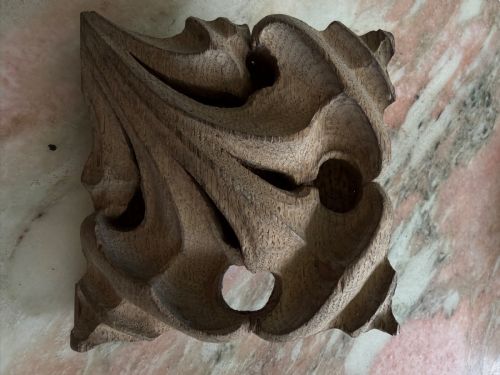
- A decorative projecting block of stone or wood placed at the intersection of ribs in a vaulted ceiling. They often feature carved foliage or heraldic designs.
Gothic Revival Architectural Salvage: Frequently Asked Questions
What is gothic revival architectural salvage?
These items are rescued building elements and furnishings from churches, chapels and historic properties, spanning periods from pre-sixteenth-century stone fragments to Victorian oak panels and cast iron benches.
They allow collectors to incorporate authentic historic craftsmanship, such as stained glass windows and carved finials, directly into contemporary interior and exterior spaces.
How were church tracery panels used?
Tracery panels originally formed parts of larger ecclesiastical screens, pulpits or window frames, serving both structural and decorative purposes in medieval and Victorian religious architecture.
Today, buyers mount these wooden or stone panels on walls or integrate them into bespoke cabinetry to display historic craftsmanship.
How do I date stone architectural fragments?
Dating stone fragments depends on geological material, tool marks, and stylistic shifts from medieval Gothic masonry to nineteenth-century revival work.
Provenance records, such as pieces salvaged from specific minsters or parliamentary buildings, help anchor the exact period of creation.
Can I use church pews outdoors?
Pew end rails, garden benches, and stone planters made from robust materials like cast iron, oak, or sandstone are suited for exterior garden settings.
Indoor elements like pine chapel doors or stained glass windows require sheltered environments to protect delicate woods, lead cames, and glass from weathering.