

Gothic Panel Carving
These gothic panel carving pieces bring centuries of historic woodwork and architectural relief into modern interiors.
Gothic Panel Carving
Gothic panel carving comprises historic wooden architectural fragments, wall panels, and furniture elements retrieved from ecclesiastical and domestic buildings. These items embody centuries of craftsmanship, ranging from early medieval church woodwork to later revival interpretations.
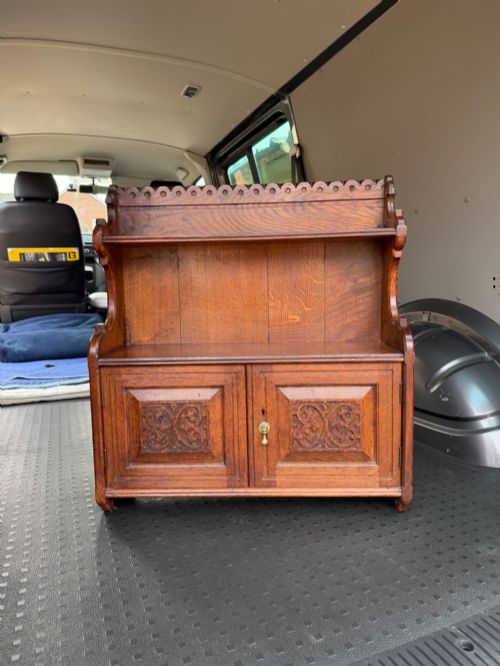
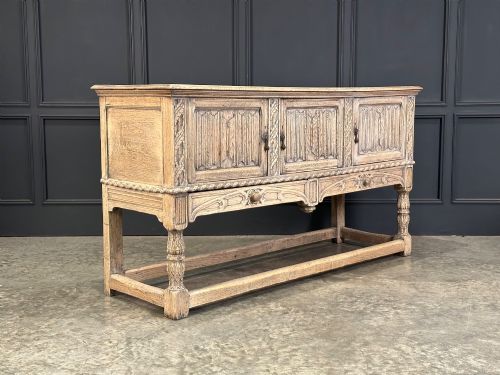
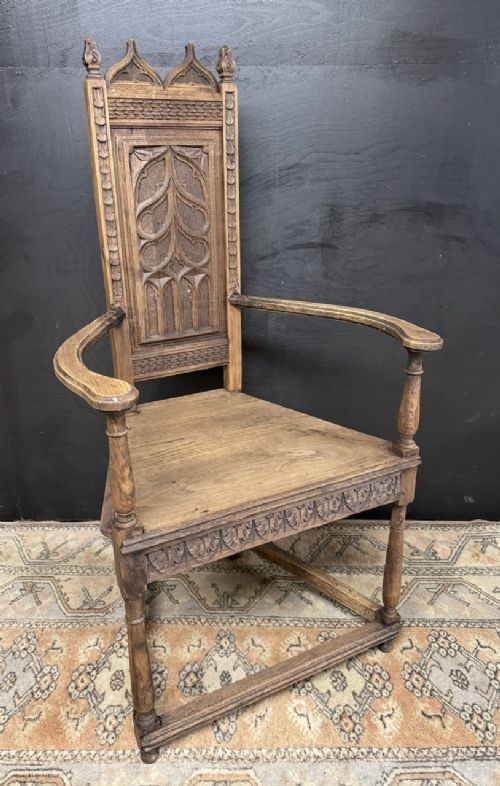
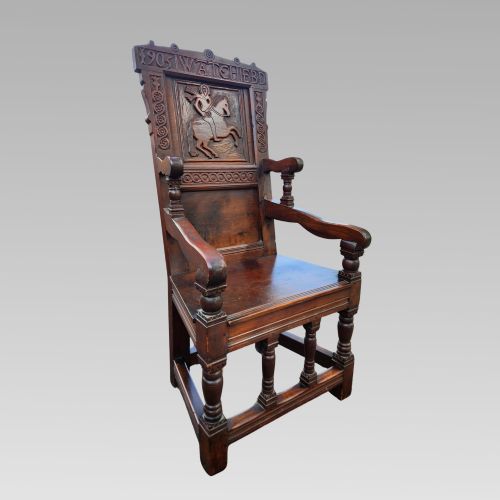
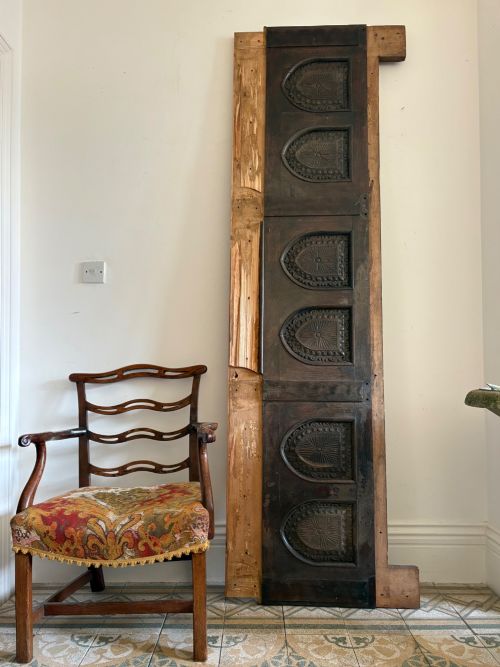
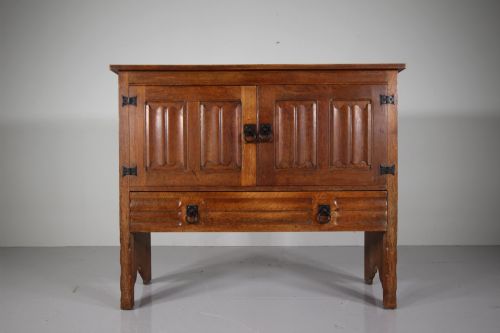
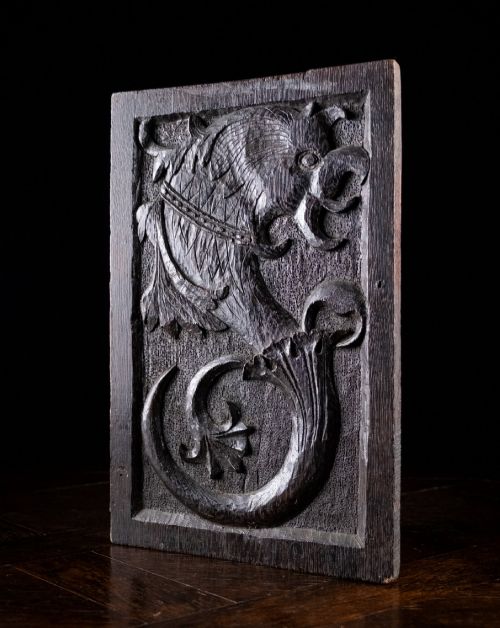
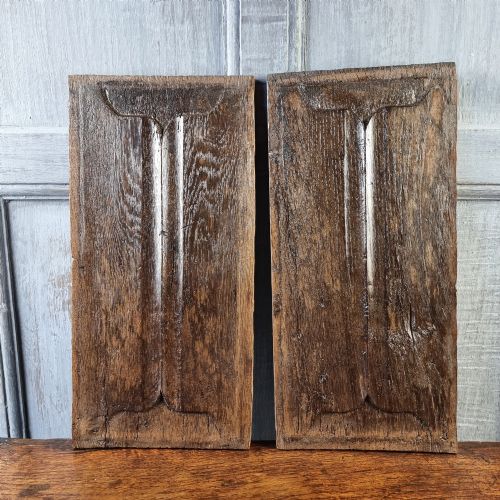
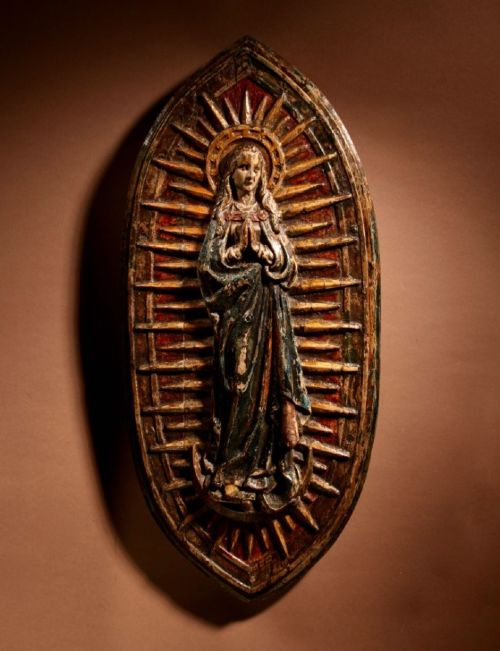
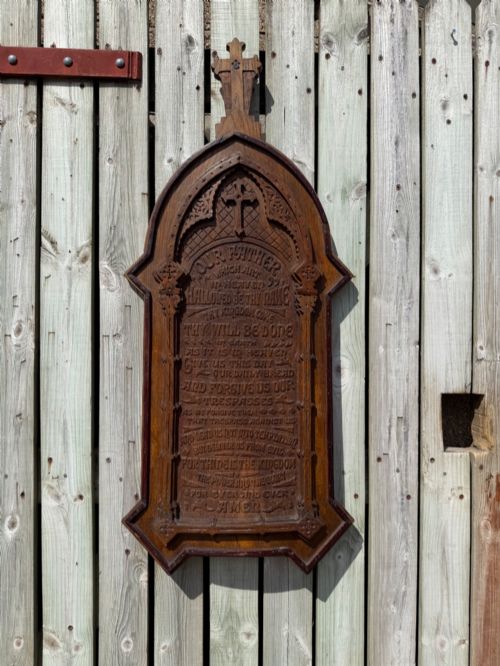
Buyers encounter a diverse selection spanning pre-sixteenth century fragments to twentieth-century revivals. The inventory frequently includes oak linenfold panels, architectural tracery, and figural reliefs depicting saints, green men, and heraldic motifs.
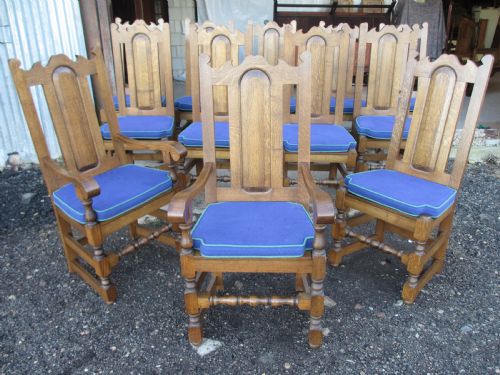
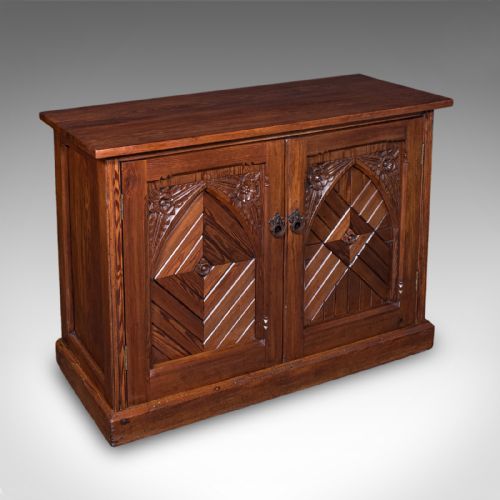
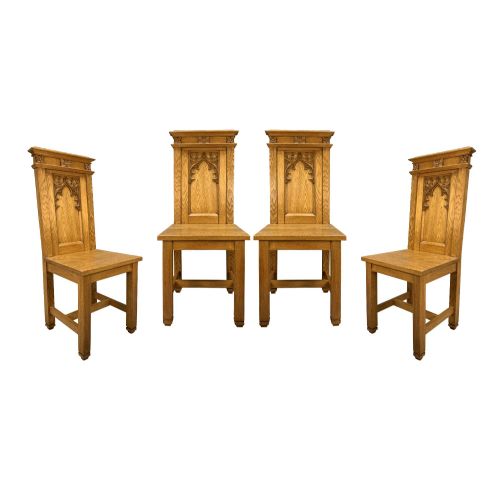
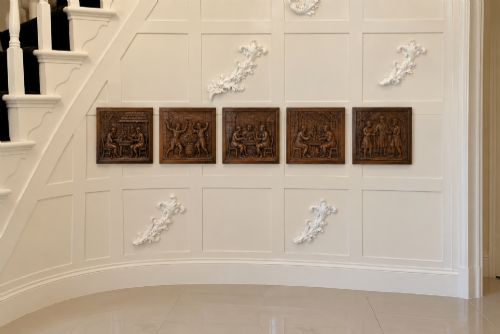
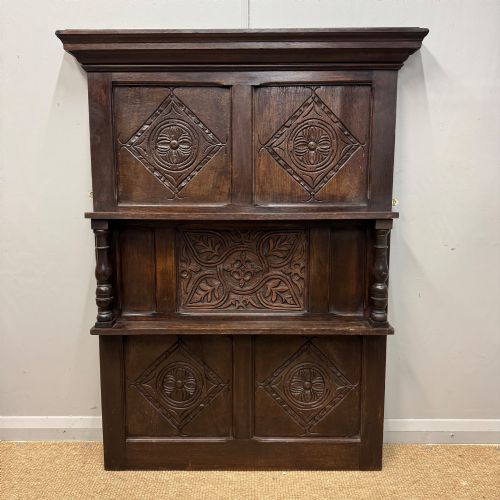
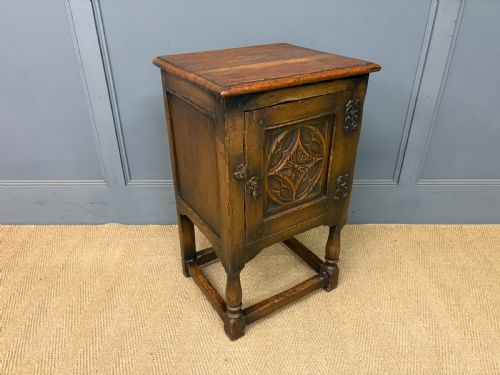
Objects range from individual architectural plaques to larger wall panels integrated into cupboards, sideboards, and seating. Oak serves as the primary medium, anchoring these works in traditional English and European joinery traditions.
Materials and construction
Joiners and carvers utilised solid timber, predominantly oak, shaping heavy boards with hand chisels and gouges to achieve deep relief. Panels were often constructed using traditional mortise and tenon joints to allow for natural wood movement over centuries.
Surface treatments included hand scraping and occasional polychrome decoration or gilding, though centuries of wear have often left bare timber patinated by time. Iron and brass fixings appear on structural elements and related cabinetry.
Stone and limestone fragments also feature among these architectural elements, carved in high relief with ecclesiastical imagery. Secondary materials such as glass, fabric, and iron support related items like mirrors, screens, and cabinets.
Gothic Panel Carving Retail Price Guide 2026
Typical asking prices for gothic panel carving among the pieces listed under this phrase on Sellingantiques today, from the lower quarter to the upper quarter. They describe what is for sale here now, not the wider market.
Materials recorded across the inventory include solid oak, limestone, brass, iron, walnut, and pine.
Assessing quality
Quality rests upon the crispness of the chisel work and the depth of the carving. Superior examples display confident, articulate detailing in facial expressions, drapery folds, and tracery geometry, whereas lesser pieces show softer, more mechanical execution.
The integrity of the timber and the survival of the original surface patination distinguish finer survivals from heavily restored or assembled items. Authenticity of age, demonstrated through tool marks and natural timber shrinkage, elevates a piece considerably.
The complexity and rarity of the subject matter, such as distinct heraldry, apotropaic witch marks, or complete figural scenes, set exceptional sculptural panels apart from standard repeating decorative motifs.
The Gothic Panel Carving Glossary
- Linenfold
- A style of wood panel carving resembling folded cloth or parchment. It gained widespread popularity during the Tudor period for interior wall panelling and furniture.
- Tracery
- Openwork architectural ornamentation, typically consisting of intersecting ribwork in Gothic windows and panels. It creates geometric patterns that guide the eye along the woodwork.
- Wainscot
- Wooden panelling applied to the lower portion of interior walls. The term also describes robust oak armchairs constructed using panel-framing techniques.
- Apotropaic mark
- A symbolic carving intended to ward off evil spirits and witchcraft. These ritual protection marks are often found scored directly into historic timbers.
- Ceiling boss
- A decorative projecting block of wood placed at the intersection of ribs in a vaulted ceiling. They frequently feature carved foliage, grotesques, or figural motifs.
Gothic Panel Carving: Frequently Asked Questions
How were these panels used historically?
Historically, carved panels formed integral parts of larger architectural schemes inside churches, cathedrals, and wealthy domestic residences. They lined walls as wainscotting, decorated the backs of ceremonial chairs, or embellished furniture like sideboards and coffers.
Religious panels served devotional purposes on altarpieces, while secular carvings displayed family heraldry or apotropaic symbols. Their placement reflected the status and piety of the building's inhabitants.
How do I hang a heavy wooden panel?
Hanging heavy architectural panels requires secure wall fixings suited to the weight and density of seasoned oak. Utilising a concealed metal French cleat system provides stable support along the top edge of the panel.
Ensure fixings anchor directly into wall studs or employ appropriate heavy-duty masonry anchors. Consulting a professional installer is advisable to protect the structural integrity of both the wall and the antique.
How can I tell the age of the carving?
Determining the age of a carved panel involves examining tool marks left by hand chisels rather than modern machinery. Natural timber shrinkage, oxidation, and dry surface patination accumulate over centuries and cannot easily be replicated.
Stylistic indicators, such as the transition from medieval Gothic tracery to Tudor linenfold and later Victorian revivals, also help narrow down the period. Comparing construction joints with known historical examples provides further clarity.