




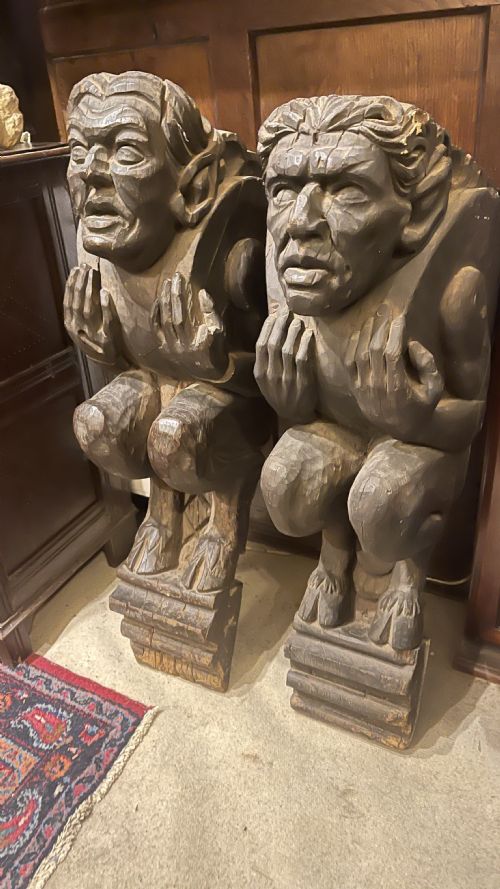
Gothic Corbel
These gothic corbel carvings are solid architectural salvage and structural masonry built to bear weight and project from masonry walls.
Gothic Corbel
A gothic corbel is a heavy projecting block of stone or timber designed to support superstructure loads from beneath. When you search for this phrase, you encounter architectural fragments salvaged from medieval churches, old halls and period domestic buildings.
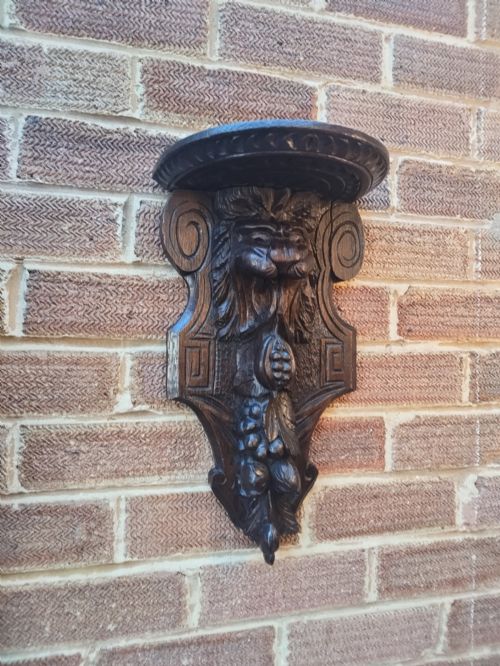
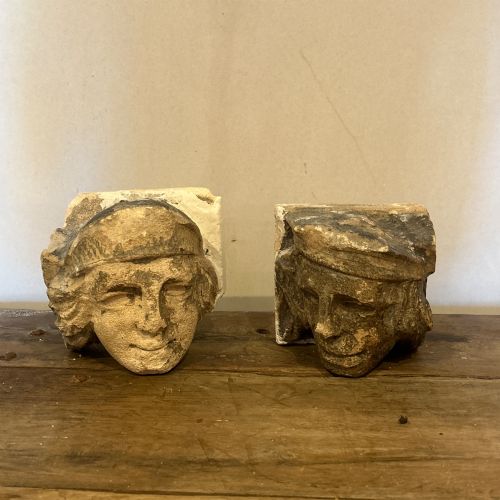
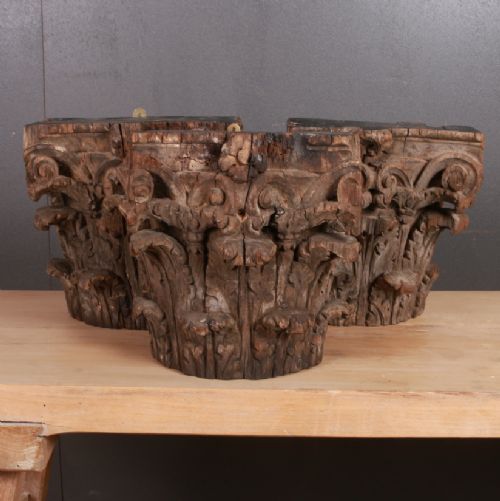
The versions most commonly met on this page span several centuries, ranging from early pre-sixteenth century medieval limestone and sandstone carvings to seventeenth-century oak brackets and nineteenth-century revival pieces. These objects take the form of wall brackets, carved capitals, ceiling bosses and sculptural wall supports.
The forms display considerable variety, including figurative motifs such as green men, lions' paws, apotropaic gripping mouths and angels. They originate from diverse European contexts, including English stonework and Flemish architectural fragments.
Materials and carving techniques
These pieces are fashioned from dense, durable materials suited to load-bearing architecture, predominantly featuring timbers like oak alongside natural stone such as sandstone, limestone, gritstone and terracotta.
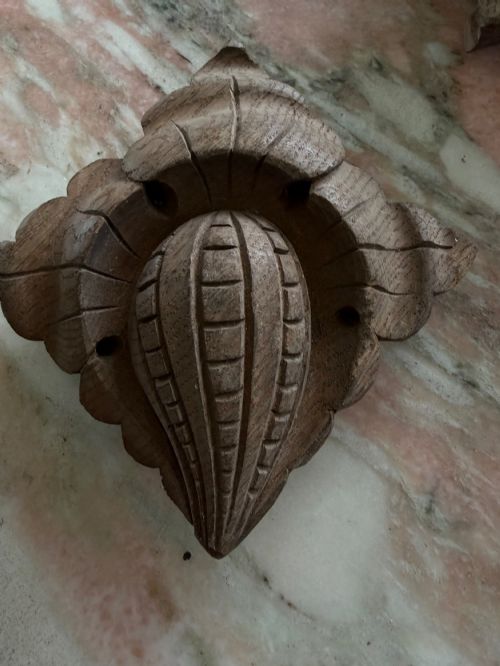
Masons and carvers shaped the stone using mallet and chisel to achieve bold relief and structural profile, while woodcarvers utilised gouges to render intricate foliage and figurative details in solid oak.
Gothic Corbel Retail Price Guide 2026
Typical asking prices for gothic corbel among the pieces listed under this phrase on Sellingantiques today, from the lower quarter to the upper quarter. They describe what is for sale here now, not the wider market.
The inventory spans over eight centuries of production, recording medieval pre-sixteenth century fragments alongside nineteenth-century Gothic Revival work.
Assessing sculptural quality
Quality in a gothic corbel lies in the vigour and depth of the chisel work rather than the mere age of the material. A superior piece demonstrates confident anatomical proportion or crisp architectural moulding that retains its structural integrity despite weathering or past salvage.
Luigi Frullini
The Gothic Corbel Glossary
- Corbel
- A structural piece of stone or timber jutting from a wall to carry a heavy weight. It usually supports a beam, vault or arch above.
- Apotropaic
- Designed to turn away harm or evil spirits. These protective carvings often feature grotesque faces or gripping mouths placed near vulnerable openings.
- Ceiling boss
- A decorative keystone at the intersection of vaulted ribs in a ceiling. These rounded panels are frequently carved with foliage or figurative motifs.
- Architectural fragment
- A surviving portion of a demolished or altered building. Such pieces retain historic fabric and ornament removed from their original structural context.
- Capital
- The uppermost member of a column or pilaster. It mediates between the load-bearing column shaft and the structural load above.
Gothic Corbel: Frequently Asked Questions
What is a gothic corbel?
A gothic corbel is a projecting architectural bracket made of stone or timber, originally built into a wall to support weight from ceilings, arches or wall plates.
Over time, these structural supports have been salvaged from historic buildings and collected as sculptural works of art.
How were gothic corbels used?
They were built directly into masonry or timber walls at key load-bearing points, serving both a structural purpose and a decorative function within medieval and revival architecture.
Builders positioned them beneath roof beams, vaulting ribs and projecting ledges to distribute weight safely.
How do I mount a stone corbel?
Due to their substantial weight and original masonry construction, stone corbels require professional structural assessment and heavy-duty steel brackets or wall anchors for safe indoor display.
Surface mounting must securely engage with solid wall studs or brickwork to bear the massive load of the stone safely.
Can these be displayed outside?
Sandstone and limestone corbels were originally designed for exterior architectural environments and generally withstand weathering well, though historic pieces benefit from sheltered placement to preserve carved detail.
Oak and terracotta pieces are best kept indoors to protect the timber and gilt finishes from moisture and frost damage.