

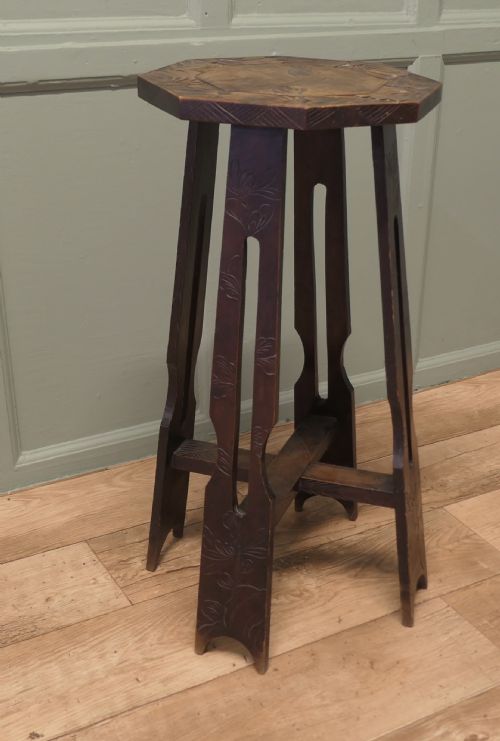
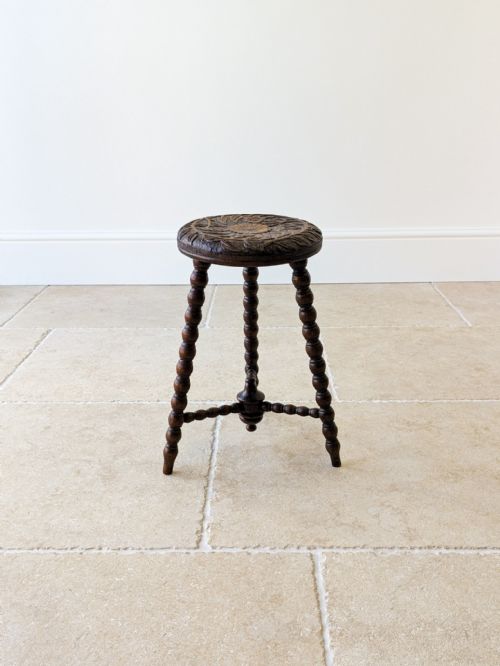
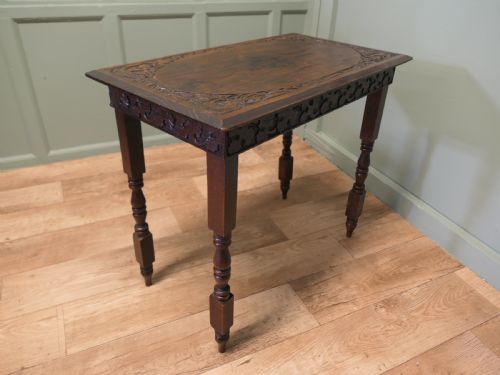
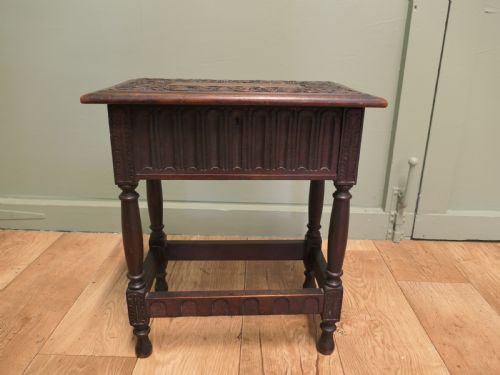
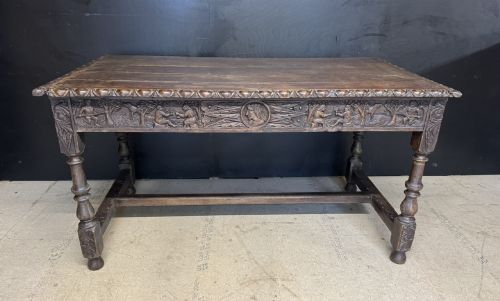
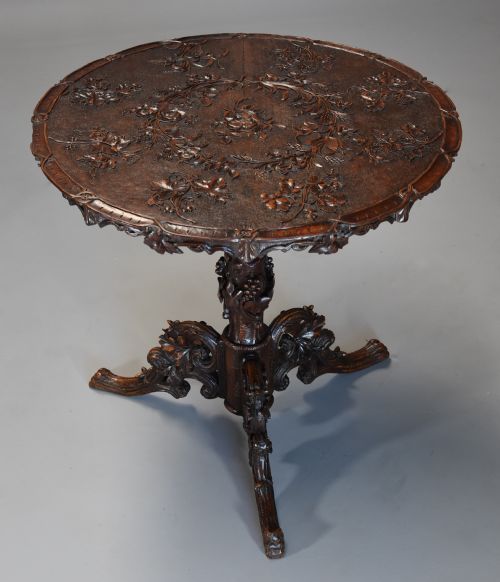
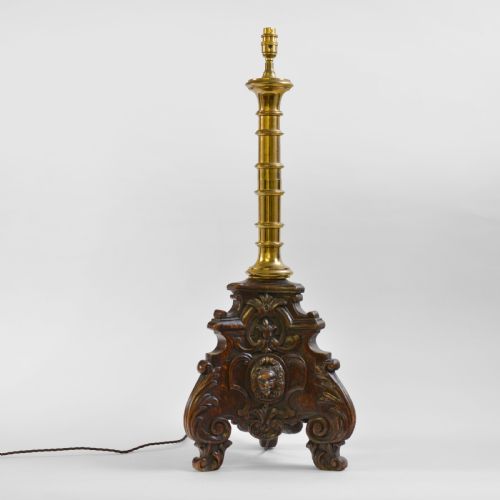


Gothic Carved Wooden Side Table
A gothic carved wooden side table brings architectural presence and dense ornament into a room through historic timber and tracery.
Gothic Carved Wooden Side Table
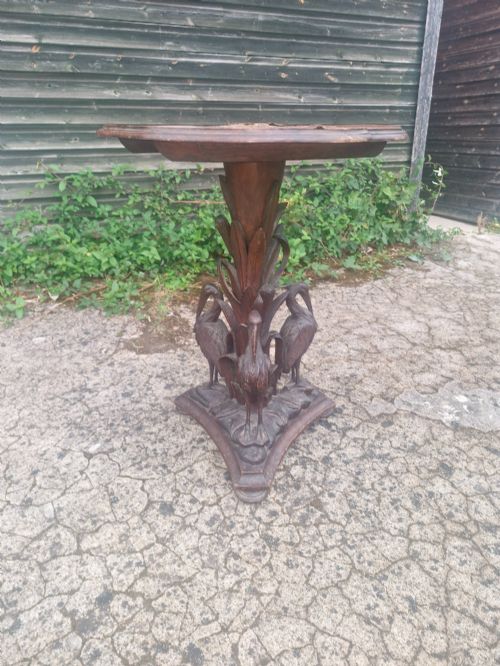
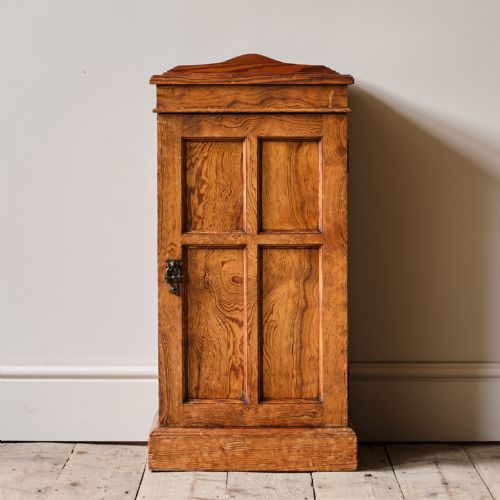
A gothic carved wooden side table is a functional surface defined by period ornament, typically emerging from the nineteenth century as part of the Gothic Revival. You encounter forms ranging from compact occasional tables and bedside cabinets to console tables and larger centre tables.
The materials span solid oak, mahogany, pine and mixed hardwoods, frequently displaying deep relief carving, linenfold panels or structural pointed arches. These items served functional domestic roles in Victorian and Edwardian interiors, functioning as side supports or display surfaces.
Most examples date from the Victorian era and the decades following, drawing stylistic inspiration from medieval architecture, Tudor design and Flemish Baroque traditions. Makers adapted ancient ecclesiastical motifs for domestic furniture, resulting in sturdy items with distinct historical character.
How They Were Made
Makers relied principally on solid timbers such as oak, mahogany and pitch pine, selecting woods that tolerated deep chiselling and chip carving without splitting. Boards were joined using traditional methods suited to heavy loads, often incorporating robust legs, stretchers and pegged joints.
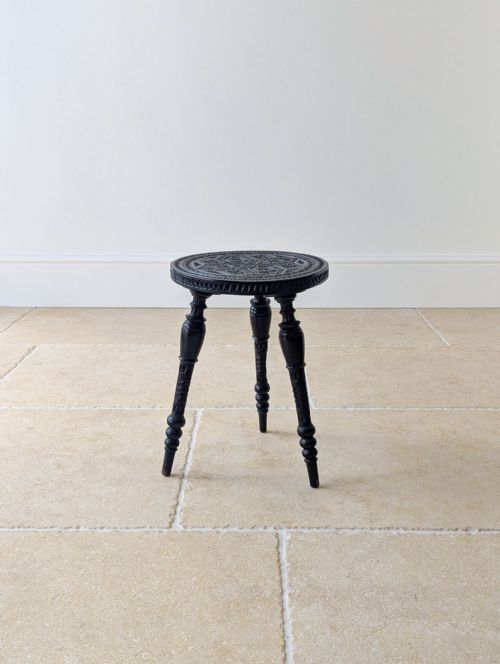
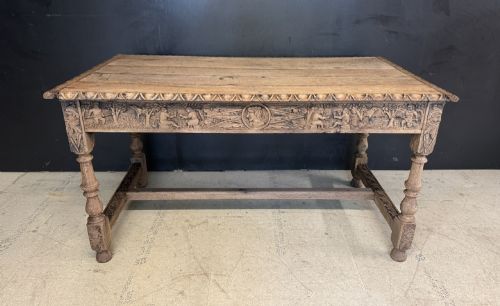
Ornamentation was applied directly to the wooden structure through hand carving, utilising gouges and chisels to create linenfold patterns, tracery and geometric motifs. Surfaces were occasionally ebonised, stained or painted to imitate older ecclesiastical furniture or to enhance the contrast of the carved details.
Gothic Carved Wooden Side Table Retail Price Guide 2026
Typical asking prices for gothic carved wooden side table among the pieces listed under this phrase on Sellingantiques today, from the lower quarter to the upper quarter. They describe what is for sale here now, not the wider market.
Some nineteenth-century makers evidently channelled medieval cathedrals directly into bedside cabinets.
What Varies in Quality
The standard of a gothic carved wooden side table depends heavily on the depth and crispness of the hand carving rather than surface decoration alone. Superior pieces exhibit confident, three-dimensional relief work where every architectural moulding and motif is executed with sharp precision.
Timber selection dictates overall integrity, with dense quartersawn oak and well-seasoned mahogany outlasting softer pines or hurried secondary woods. Construction methods also separate ordinary items from exceptional ones, particularly the use of sturdy internal joinery and solid secondary timbers throughout the carcass.
The Gothic Carved Wooden Side Table Glossary
- Gothic Revival
- A nineteenth-century architectural and decorative movement that revived medieval forms, pointed arches and structural tracery. This style heavily influenced domestic furniture design.
- Chip Carving
- A technique where small chips are removed from a flat wooden surface to create geometric, faceted patterns. It appears frequently on panels and tabletops.
- Ebonised
- Wood treated with chemical stains or dark finishes to simulate ebony. This treatment was popular in Victorian furniture to create high-contrast decorative effects.
- Centre Table
- A freestanding table designed to be viewed from all sides rather than pushed against a wall. These pieces often occupy the middle of a room.
- Linenfold
- A style of relief carving that imitates folded parchment or linen, commonly used on panels. It originates from fifteenth-century ecclesiastical woodwork.
Gothic Carved Wooden Side Table: Frequently Asked Questions
What periods do these tables come from?
Most examples originate from the nineteenth century, particularly the Victorian period and the height of the Gothic Revival around 1860. Later pieces extend into the early twentieth century, spanning 1900 to 1930.
Craftsmen during these eras drew inspiration from medieval, Tudor and Flemish designs, adapting ancient architectural motifs for domestic interiors.
How were these tables used originally?
These tables served various practical roles in historic domestic spaces, functioning as side surfaces, bedside cabinets, hall tables or centre tables for lamps and books.
Their robust timber construction allowed them to carry heavy objects while adding an imposing architectural element to studies, parlours and entrance halls.
What woods should I expect to find?
Oak is the predominant timber used for these pieces, valued for its strength and suitability for deep relief carving. Mahogany, pitch pine and ebonised hardwoods also appear frequently.
Makers occasionally utilised secondary woods or painted finishes, combining materials to achieve specific decorative effects suited to Victorian tastes.
How do I distinguish revival styles?
Gothic Revival pieces feature pointed arches, quatrefoils and tracery, while Tudor Revival styles emphasise heavy proportions and linenfold panels. Flemish Baroque influences introduce more flamboyant, dynamic scrolling ornamentation.
Examining the specific carving motifs and structural lines helps reveal which historic period inspired the maker.