

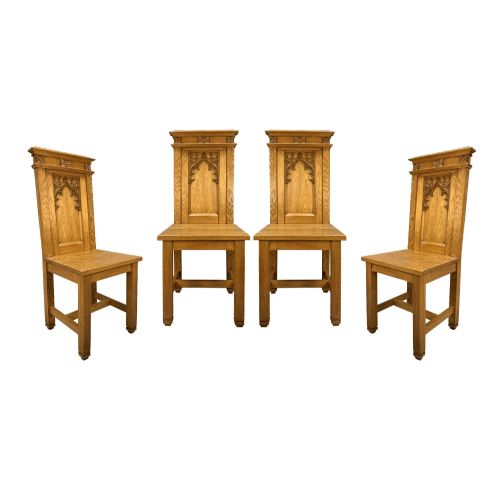
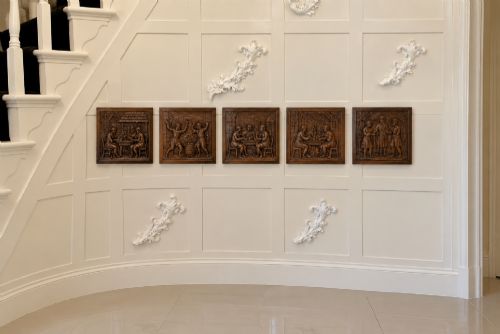
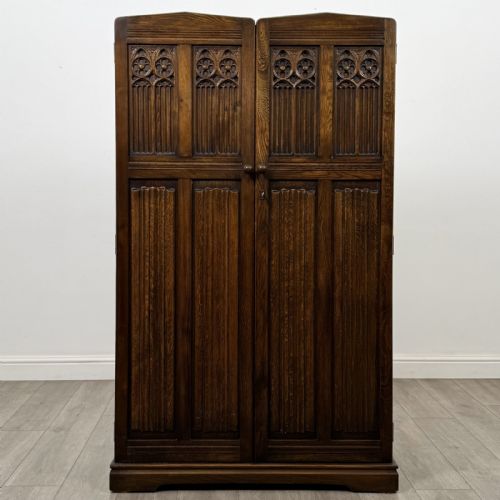
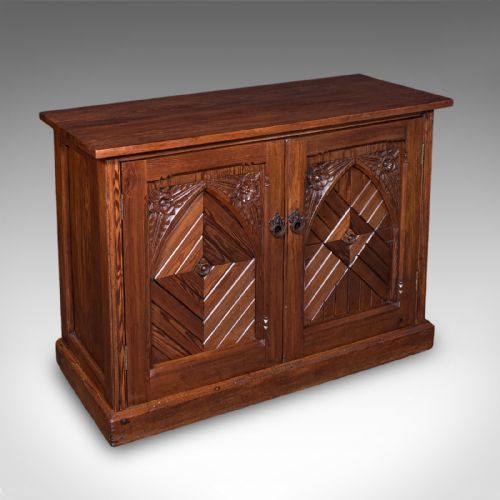
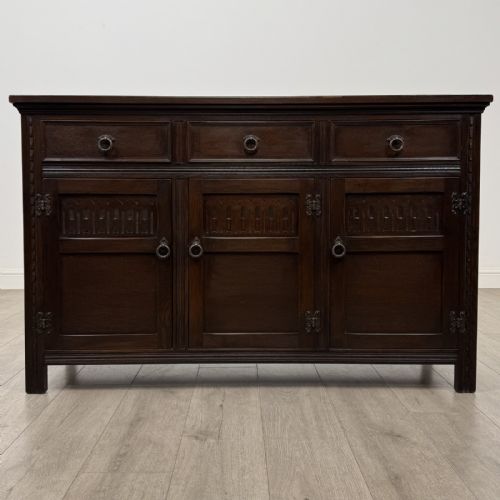
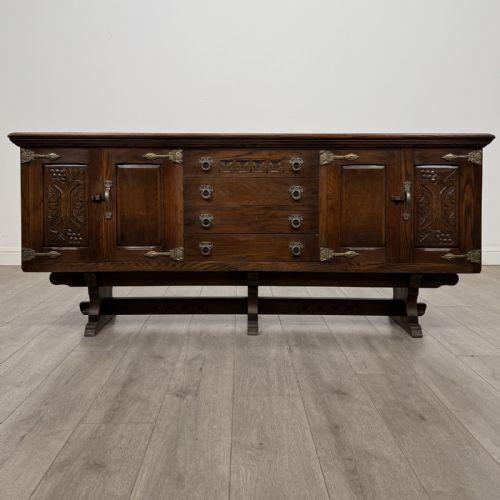
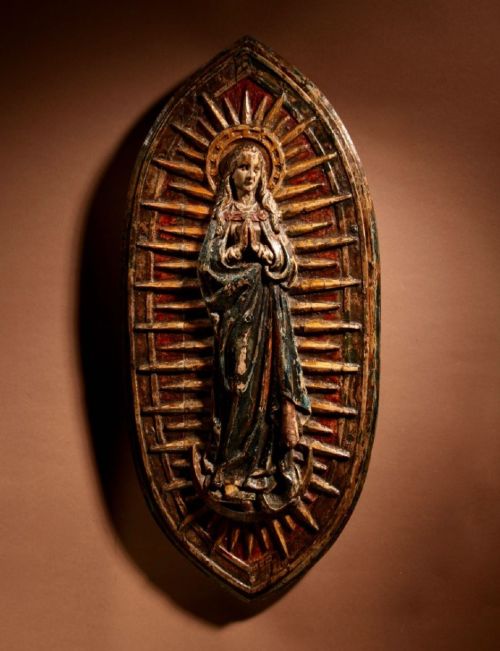
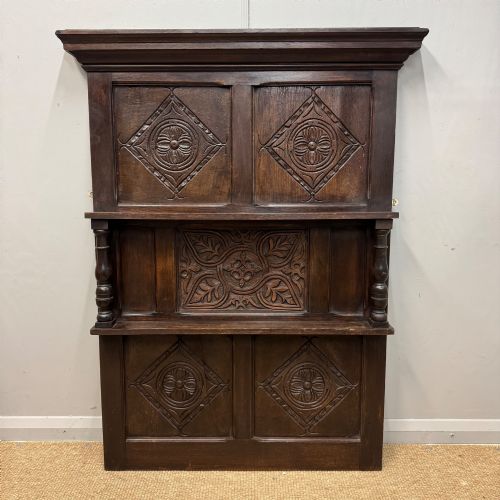
Gothic Carved Oak Panels
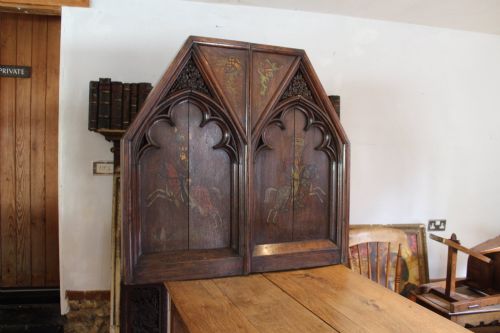
These gothic carved oak panels bring deep historic character and architectural texture to an interior through centuries-old timber work.
Gothic Carved Oak Panels
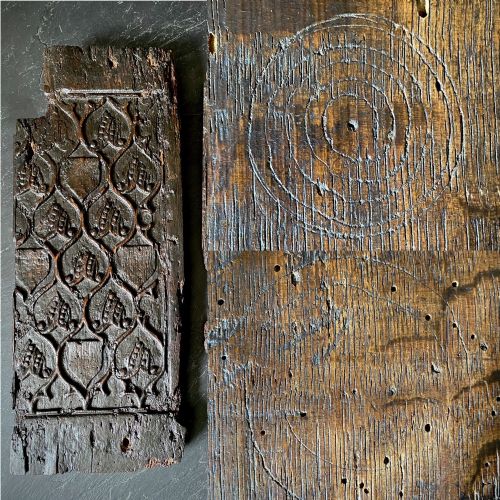
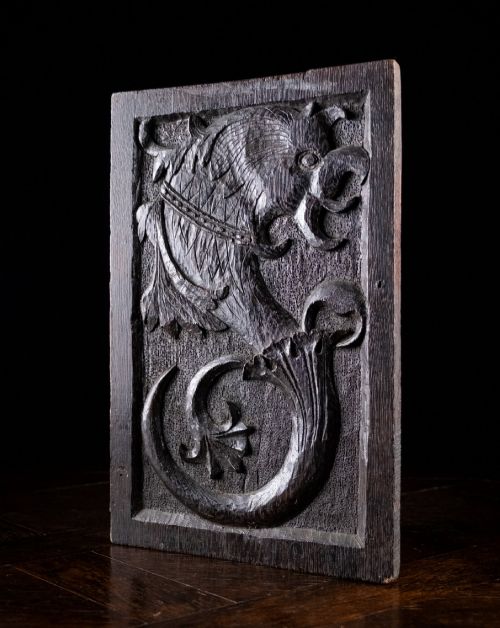
When searching for gothic carved oak panels, buyers encounter pieces salvaged from larger structures, furniture components, and dedicated architectural elements spanning multiple eras. The selections on this page draw predominantly from nineteenth century revivals alongside sixteenth, seventeenth, and eighteenth century originals.
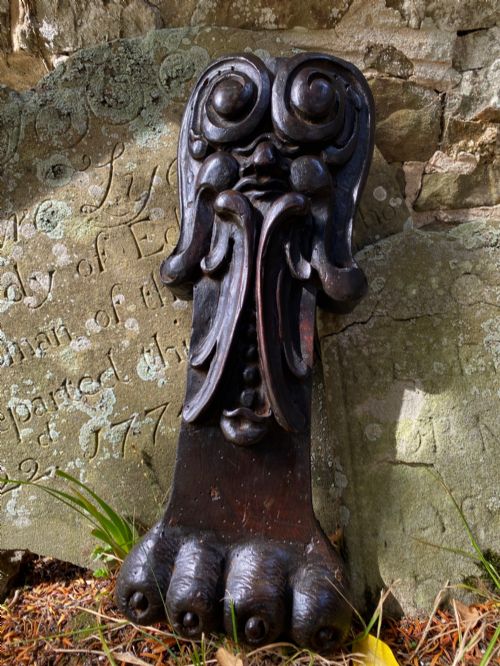
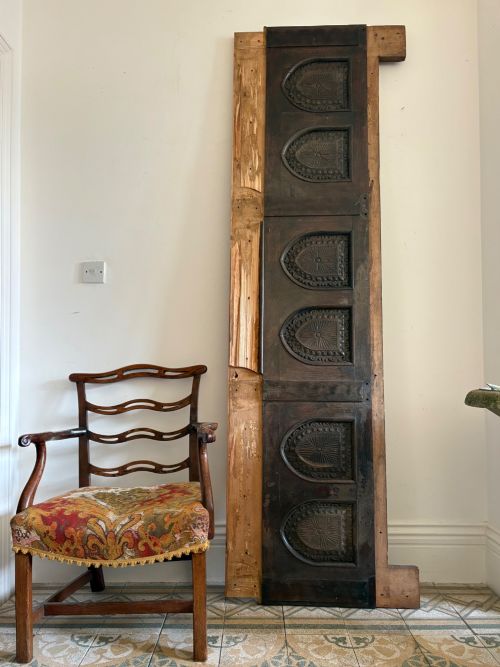
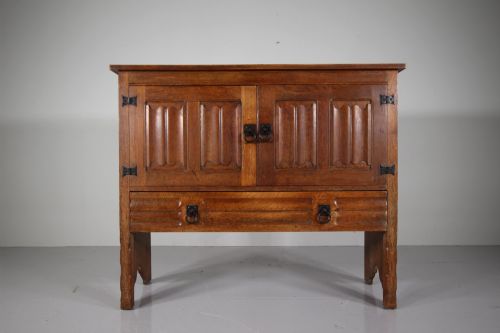
Forms range from small wall plaques and ceiling bosses to linenfold panels extracted from chests, cupboards, and ecclesiastical furnishings. Many items originate as repurposed furniture parts or church salvage adapted for modern display.
The aesthetic bridges medieval devotion and Victorian revivalism, utilising dark timber tones and deep relief carving to establish monumental presence within domestic spaces.
Materials and construction
The primary material across these listings is solid oak, selected for its density and durability, occasionally accompanied by secondary woods like fruitwood or walnut in specific decorative elements. Iron, brass, and lead appear as supporting hinges, mountings, or structural supports on related cabinetry and wall pieces.
Joinery relies on traditional methods such as mortise and tenon joints, hand-carved linenfold patterns, and deep relief sculptural work executed with gouges and chisels. Surface treatments sometimes incorporate polychrome paint or dark wax finishes that highlight the grain and tool marks of the period.
Gothic Carved Oak Panels Retail Price Guide 2026
Typical asking prices for gothic carved oak panels among the pieces listed under this phrase on Sellingantiques today, from the lower quarter to the upper quarter. They describe what is for sale here now, not the wider market.
Listings feature oak alongside iron, brass, stained glass, and polychrome paint across periods spanning the sixteenth century to the early twentieth century.
Evaluating the carving
Quality rests upon the crispness of the chisel work and the depth of the relief, distinguishing master carvers from later mechanical or hasty production. Crisp folds in linenfold panels and expressive detail in figural sculptures indicate superior execution.
The integrity of the timber also dictates value, with well-preserved grain and minimal structural intervention ranking above heavily repaired or artificially distressed pieces. Original surface patination accumulated through centuries of handling separates genuine early material from later imitations.
The Gothic Carved Oak Panels Glossary
- Linenfold
- A style of wood carving representing folded cloth, commonly used on sixteenth century panels and furniture fronts. This motif mimics stiff fabric linen laid over a vertical backing.
- Wainscot
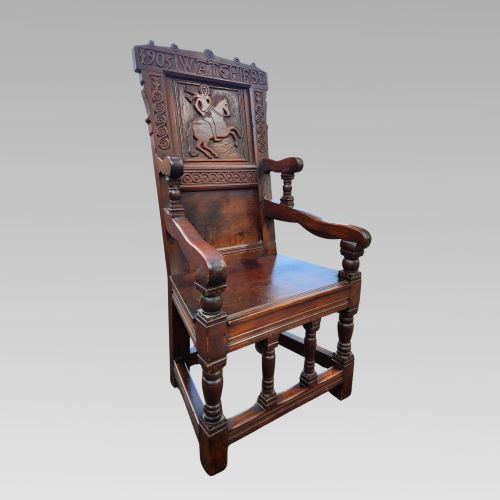
- A type of oak wooden panelling applied to walls, or a heavy armchair constructed with panelled backrests. These sturdy chairs typify seventeenth century domestic seating.
- Ceiling Boss
- A projecting block of carved wood placed at the intersection of ribs in a vaulted ceiling. These architectural ornaments frequently feature floral or geometric leaf designs.
- Overmantel
- A decorative panel, mirror, or carving positioned directly above a fireplace mantelpiece. Nineteenth century examples often incorporate gothic revival tracery and heavy oak framing.
- Ecclesiastical
- Pertaining to the Christian church or clergy, describing furnishings and architectural fragments sourced from religious buildings. These items often carry liturgical iconography.
Gothic Carved Oak Panels: Frequently Asked Questions
How were gothic carved oak panels originally used?
These panels typically formed parts of larger church fixtures, wall panelling schemes, or structural elements on heavy furniture such as cupboards and coffers. They served both decorative and structural purposes within domestic and ecclesiastical interiors.
Over time, many pieces were detached from their original contexts and repurposed as wall art, architectural salvage, or decorative inserts within nineteenth century revival furniture.
How do I date a carved oak panel?
Dating relies on examining the tooling marks, joinery methods, and stylistic conventions associated with specific periods from the sixteenth century onwards. Early sixteenth century pieces often display distinct hand-cut linenfold patterns, while nineteenth century revivals incorporate machine precision or mixed stylistic revivals.
Timber shrinkage, surface patination, and nail types also provide physical clues to the age of the wood and the construction era.
Can these panels be mounted directly onto walls?
Many wall panels and plaques are structurally prepared for hanging, though heavier architectural fragments require appropriate weight-bearing fixings. Ensuring stable wall anchors is essential due to the dense weight of solid oak.
Consulting a professional framer or restorer helps secure heavy or irregular pieces without damaging the historic timber or original carving.
How should I care for antique oak panels?
Maintenance requires keeping the timber away from direct heat sources and dramatic humidity fluctuations that cause oak to split or warp. Occasional application of a neutral beeswax helps nourish the dry historic grain without building up sticky residue.
Dusting should be performed with a soft, dry cloth to preserve any aged patination and delicate surface finishes.