



Gothic Carved Hall Chairs
Gothic carved hall chairs stand as architectural statements in timber, bringing medieval solemnity and structural presence directly to the domestic entrance.
Gothic Carved Hall Chairs
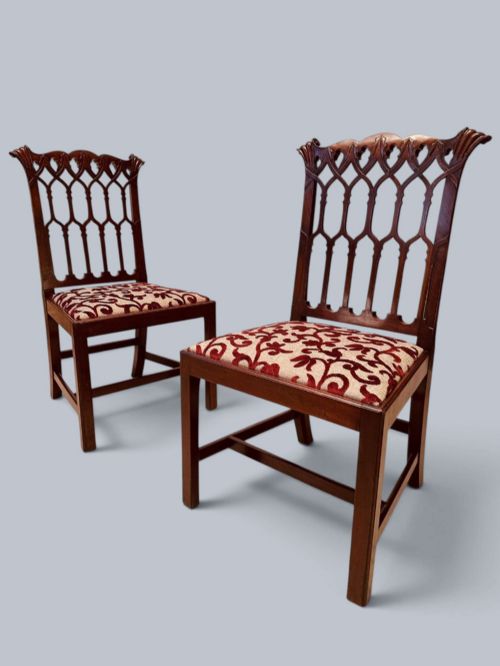
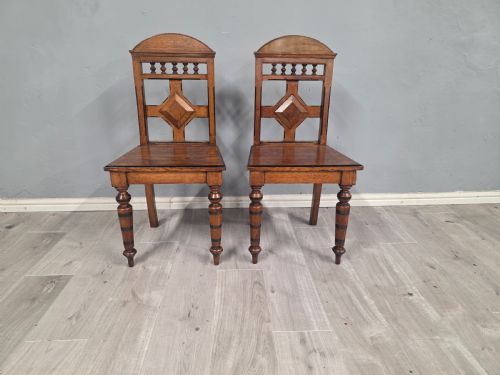
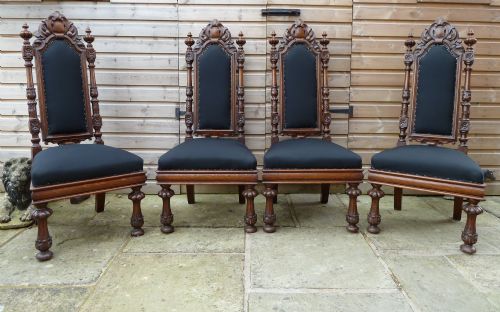
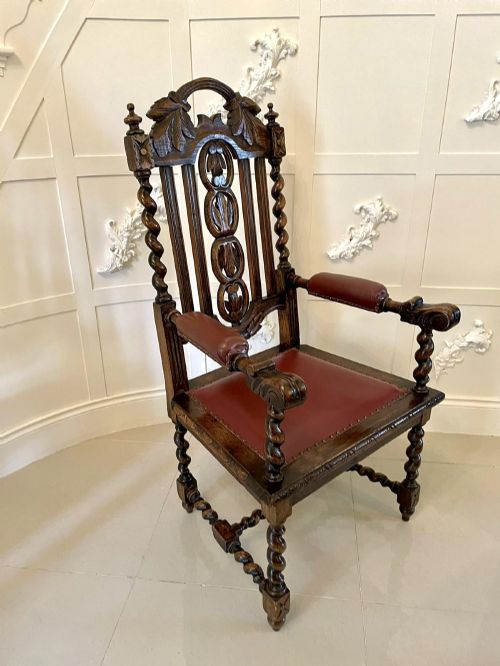
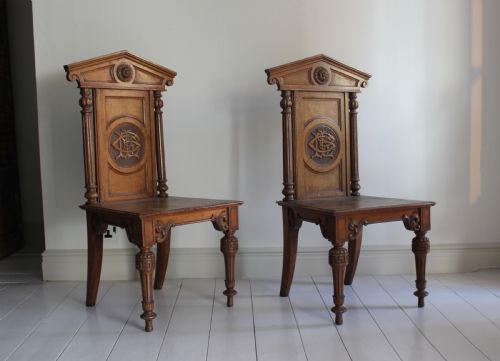
When hunting for gothic carved hall chairs, buyers encounter timber seating designed primarily for grand entrances, reception spaces and hallways rather than comfortable parlour lounging. Most examples appearing here date from the nineteenth century, spanning periods such as the Victorian era, the 1850s, 1870s and 1900s, reflecting a heavy revivalist appetite for medieval design.
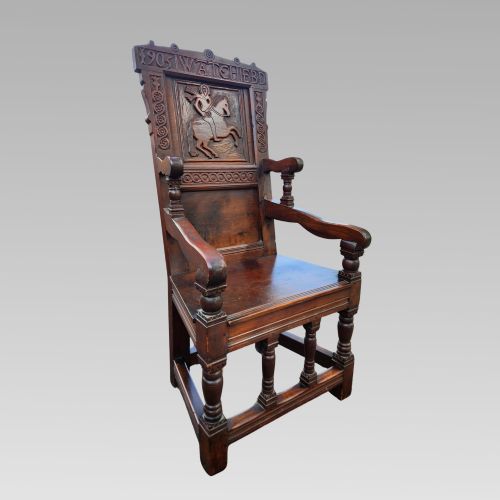
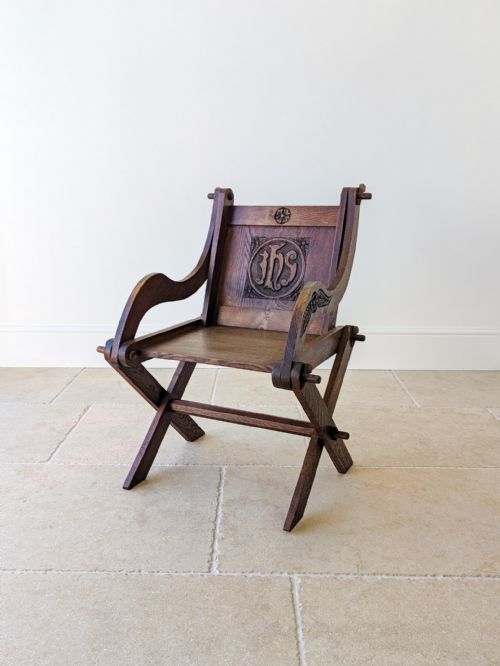
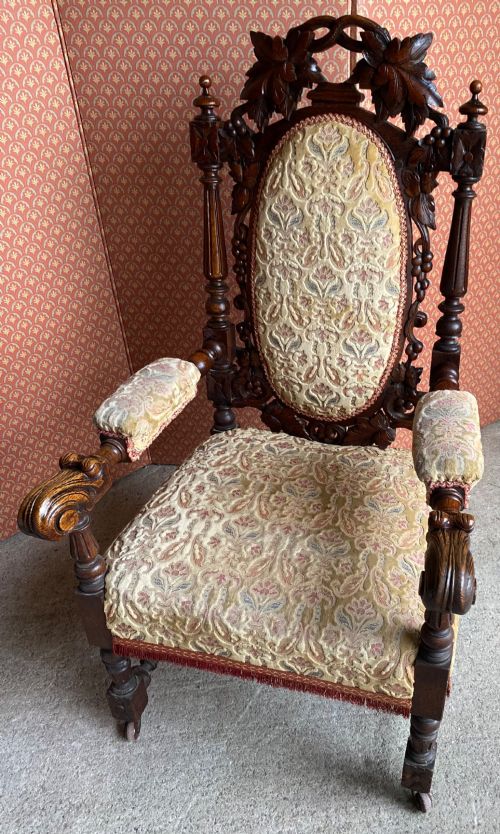
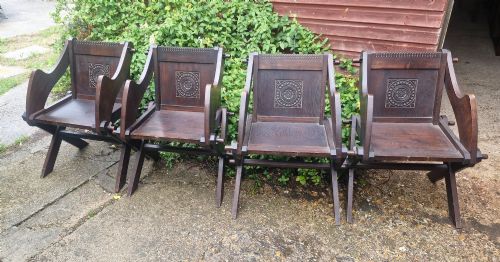
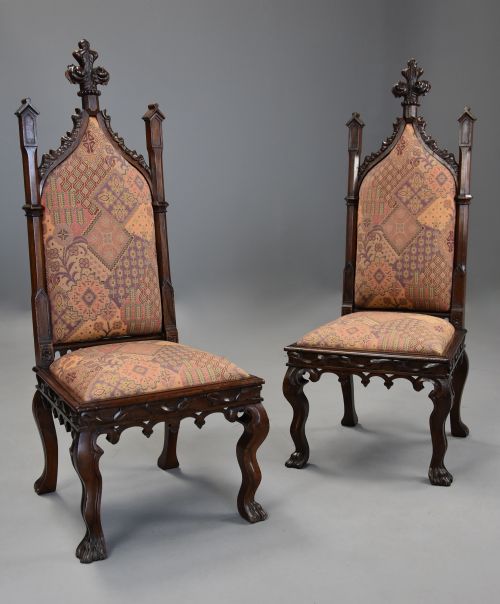
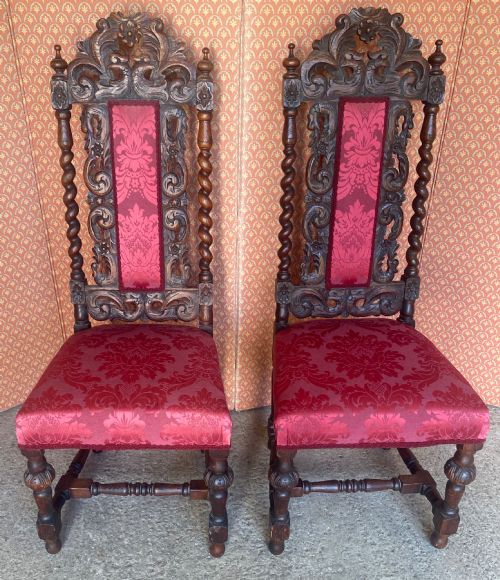
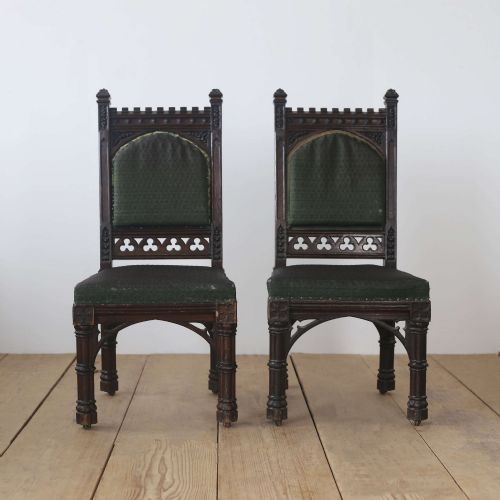
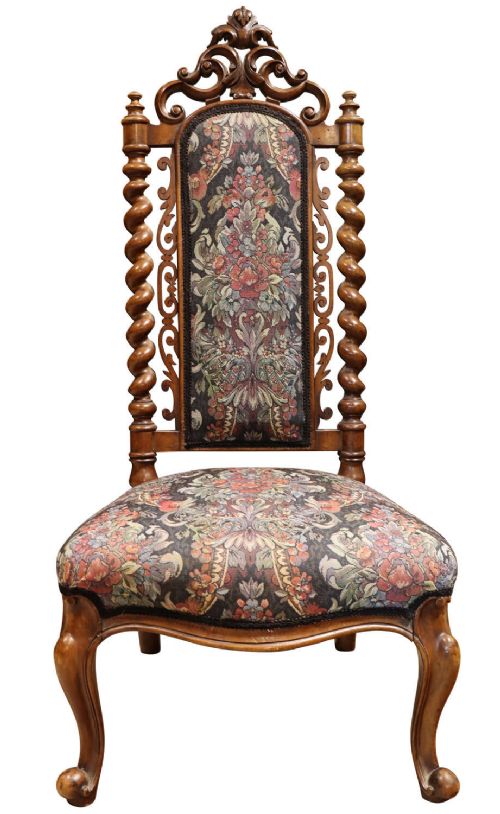
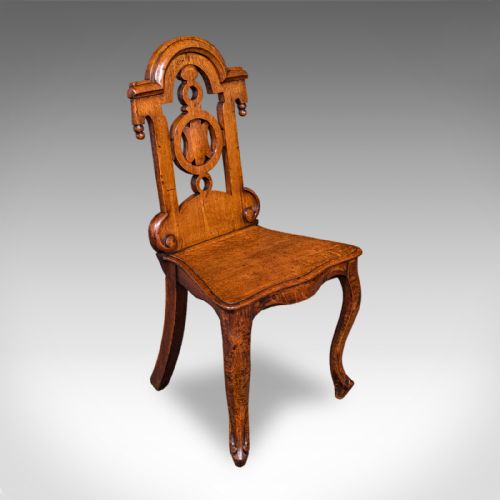
The forms vary from rigid high-backed side chairs and sturdy armchairs to architectural benches, settles and Glastonbury chairs bearing trefoil details. Makers drew upon Gothic revival, Jacobean revival, Renaissance revival and Arts and Crafts idioms to construct imposing seats often featuring heraldic shield backs and baronial proportions.
English oak dominates the construction, though pieces also materialise in walnut, mahogany, pitch pine and rosewood. These chairs serve as both functional furniture and sculptural statements, carrying deep linenfold panels, tracery and pointed arches typical of ecclesiastical and castle architecture.
Materials and Technique
Carpenters relied principally on solid English oak, shaping heavy timbers with hand tools to achieve the rigid, architectural frameworks required for gothic carved hall chairs. Joinery relied on traditional mortise and tenon joints, pegged together to withstand the rigours of heavy daily use in busy entrance halls.
Carvers employed chisels and gouges to execute intricate low-relief motifs directly into the timber, including trefoils, tracery and heraldic shields. Certain workshops incorporated secondary materials such as brass fittings, leather upholstery, tapestry fabric and padded backs to soften the austere wooden designs.
Gothic Carved Hall Chairs Retail Price Guide 2026
Typical asking prices for gothic carved hall chairs among the pieces listed under this phrase on Sellingantiques today, from the lower quarter to the upper quarter. They describe what is for sale here now, not the wider market.
One stubborn nineteenth-century chair retains a maker label from the Channel Islands, proving even remote craftsmen loved pointed arches.
Distinctions in Quality
The hierarchy among these chairs rests upon the crispness of the hand-carving and the depth of the timber selection. Superior pieces display sculptural relief work with sharp undercut details in the oak or walnut, whereas lesser examples rely on shallow, machine-routed stamping or simplified mouldings.
Structural integrity and timber figure dictate the upper tier, where heavy solid oak boards exhibit dense medullary rays and tight grain. Maker attribution, such as stamps from firms like Gillows, elevates a piece through documented provenance and superior cabinet-making standards.
Gillows·W.A. Willcocks·Bruce Talbert
The Gothic Carved Hall Chairs Glossary
- Gothic Revival
- An architectural and decorative movement reviving medieval forms, pointed arches and structural stone motifs in nineteenth-century timber furniture.
- Glastonbury Chair
- A specific nineteenth-century armchair design with an X-frame base, sloping arms and a tall panel back, frequently rendered in oak.
- Wainscot Chair
- A heavy wooden armchair with a solid panel back, box seat and turned legs, popular in seventeenth-century styles and later revivals.
- Trefoil
- A three-lobed decorative ornament resembling a clover leaf, commonly pierced through the wooden splats or backs of Gothic revival seating.
- Baronial
- A descriptive term for oversized, imposing furniture styles intended to evoke the atmosphere of a medieval castle or manor hall.
Gothic Carved Hall Chairs: Frequently Asked Questions
Where were gothic carved hall chairs placed?
These seats stood primarily in grand entrance halls, vestibules and reception rooms of nineteenth-century country houses and town residences. They served to impress arriving visitors rather than to offer prolonged seating comfort.
Their upright backs and rigid wooden seats encouraged brief, formal usage while waiting or receiving guests at the front door.
How do I identify Victorian Gothic Revival pieces?
Look for characteristic architectural elements such as pointed arches, trefoil cutouts, linenfold panels and heavy carved tracery executed in solid oak or walnut. These details directly mimic medieval ecclesiastical stone and woodwork.
Pinned mortise and tenon joinery and darker antique finishes further point towards nineteenth-century revival craftsmanship.
Are these chairs comfortable for daily use?
Most surviving examples prioritise architectural presence and rigid posture over ergonomic comfort, featuring upright wooden backs and solid seats. Some variants include padded leather or tapestry fabric inserts to soften the design.
Buyers usually place them as occasional statement seats rather than primary lounging chairs.
What woods were used for these chairs?
English oak forms the vast majority of surviving inventory, favoured for its strength and traditional association with medieval interiors. Walnut, mahogany, pitch pine and rosewood also appear across specific Victorian and revival pieces.
Secondary materials like brass hardware and textile upholstery occasionally supplement the primary timber structures.