




Gothic Art Print
A gothic art print brings centuries of ecclesiastical architecture and dark romance into a room through ink, paper and gold leaf.
Gothic Art Print
When someone searches for a gothic art print, they are looking for works capturing medieval architecture, ecclesiastical interiors and historical buildings on paper. The pieces appearing here range from eighteenth-century architectural engravings of English cathedrals to nineteenth-century lithographs and original drawings.
The version most commonly met on this page is the framed architectural print or drawing depicting churches, abbeys and historic houses. These works utilise monochrome ink, hand-colouring or etching to record pointed arches, vaulted ceilings and stone tracery.
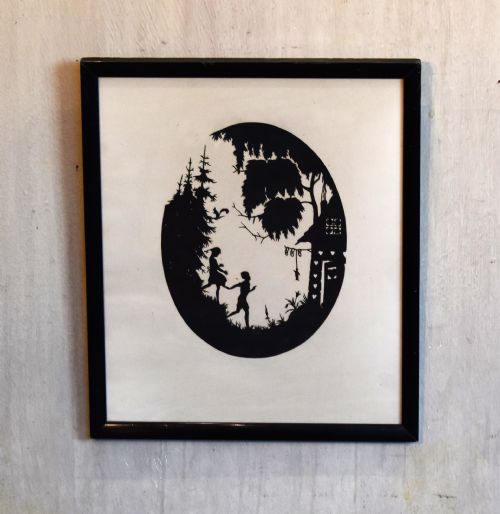
Origins stretch from eighteenth-century plates to Edwardian interpretations, encompassing Georgian perspectives and Victorian Gothic Revival visions. Buyers encounter everything from cathedral interiors to silhouette fairy tales framed in wood and glass.
How they were made
Makers recorded architectural details on paper using engraving, etching, lithography and pen and ink techniques. Many plates incorporate fine ink lines to delineate stone masonry, sometimes enhanced with monochrome wash or watercolour highlights.
Gothic Art Print Retail Price Guide 2026
Typical asking prices for gothic art print among the pieces listed under this phrase on Sellingantiques today, from the lower quarter to the upper quarter. They describe what is for sale here now, not the wider market.
Listings span from the 18th Century to the 1920s, utilising paper, wood, glass, ink, gold leaf, giltwood and oil on canvas.
What varies in quality
The distinction between standard works and superior pieces lies in the precision of the draughtsmanship and the clarity of the architectural lines. Architectural engravings and original drawings with meticulous detail in stone vaulting and tracery represent the upper end of the range.
Condition of the paper, preservation of ink density and the originality of the framing materials also determine quality. Pieces retaining their early or period frames of wood and glass carry greater historical integrity than later replacements.
The Gothic Art Print Glossary
- Engraving
- A printmaking technique where an artist cuts lines directly into a metal plate with a burin. This method produces crisp, fine lines suited to architectural precision.
- Lithography
- A planographic printing process based on the repulsion of oil and water on a limestone or metal surface. It allows for tonal gradations often seen in nineteenth-century church interiors.
- Etching
- A method where acid bites into lines drawn through a protective ground on a metal plate. It creates fluid, expressive marks characteristic of antique printmaking.
- Giltwood
- Wood carved and covered with a thin layer of gold leaf or gold paint. This material frequently frames nineteenth-century and Georgian works.
- Monochrome
- Executed in a single colour or shades of one colour, typically black or sepia ink. Many architectural drawings rely on this palette to emphasise form.
Gothic Art Print: Frequently Asked Questions
What is a gothic art print?
A gothic art print is a framed work on paper depicting medieval architecture, church interiors, or historical buildings. These pieces utilise techniques such as engraving, etching, and lithography.
They record subjects like York Cathedral, Lyme Regis church, and cathedral interiors from the eighteenth century onwards.
How were antique architectural prints made?
Artists created these works by drawing or engraving directly onto metal plates or paper using ink. Many incorporate monochrome wash, watercolour, or gold leaf.
Printers then transferred these images onto paper using hand-presses for engravings and etchings, or lithographic stones for later nineteenth-century prints.
How do I date a gothic print?
Dating relies on the paper type, printing technique, and stylistic clues within the artwork. Eighteenth-century examples often feature heavier laid paper and architectural copperplate engravings.
Later Victorian and Edwardian pieces show shifts toward lithography, wood pulp papers, and Art Nouveau influences or silhouette forms.
How should I frame and display them?
These works require framing behind glass to protect the fragile paper, ink, and watercolour from light and moisture damage. Matching them with period wood or giltwood frames preserves their historical character.
Display them away from direct sunlight in rooms with stable humidity to prevent paper degradation and fading.