


Gothic Architectural Wood Carving
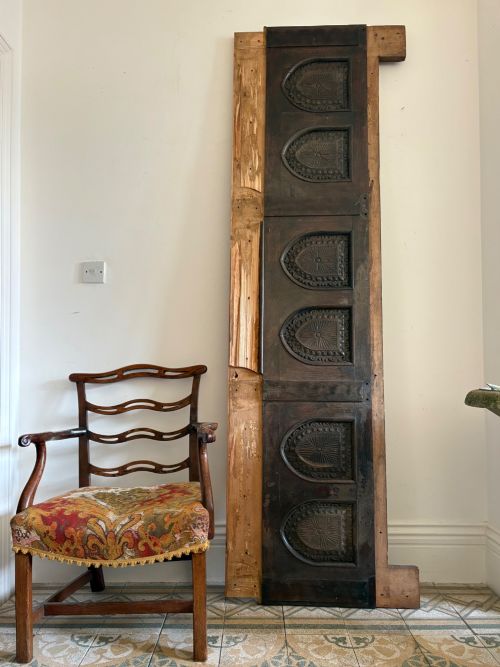
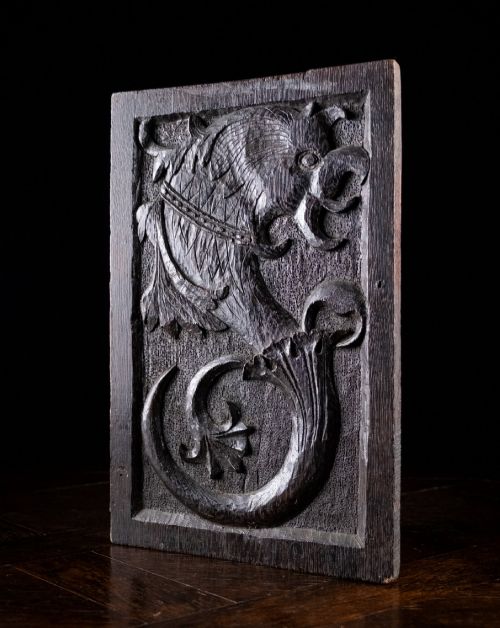
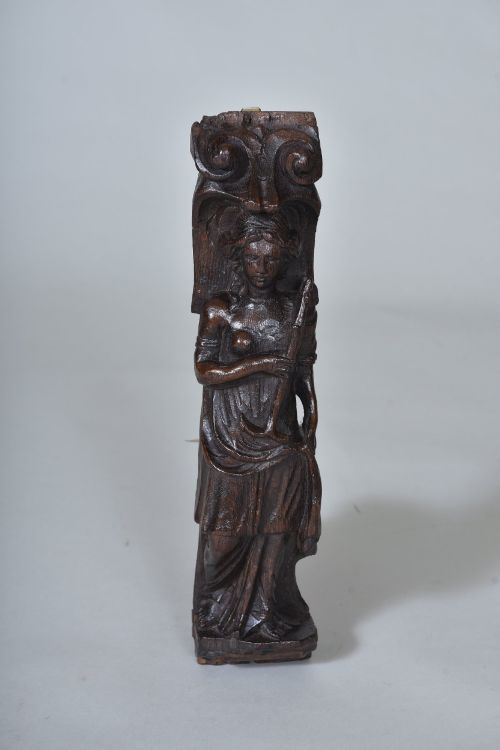
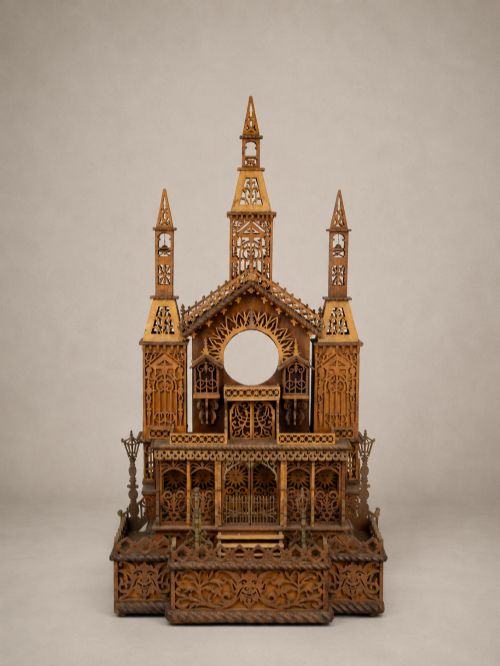
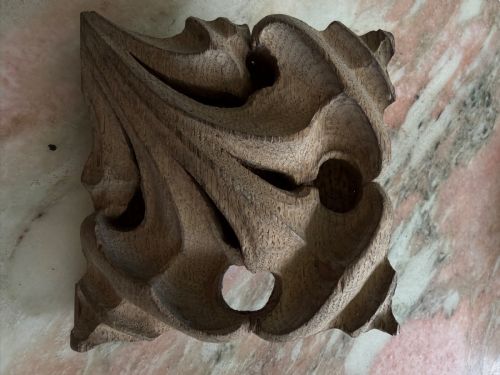
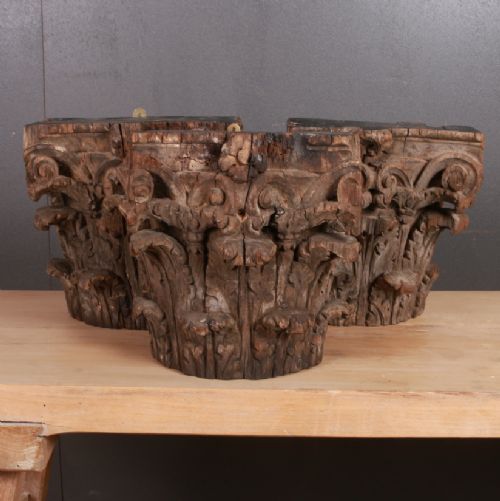
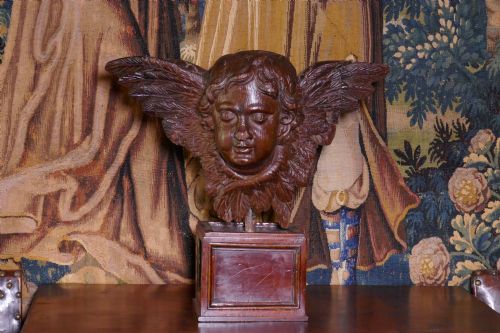
These gothic architectural wood carving pieces bring medieval church and domestic fabric straight into a room, offering genuine historical weight.
Gothic Architectural Wood Carving
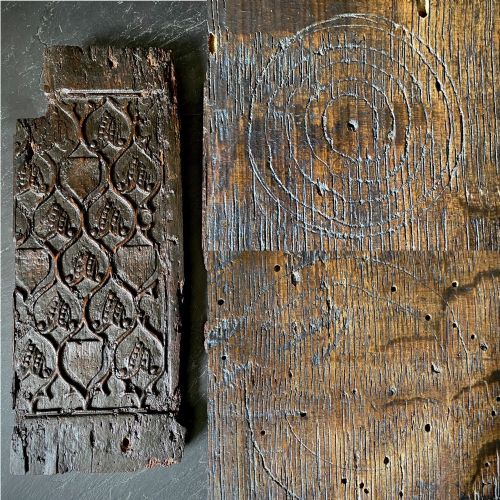
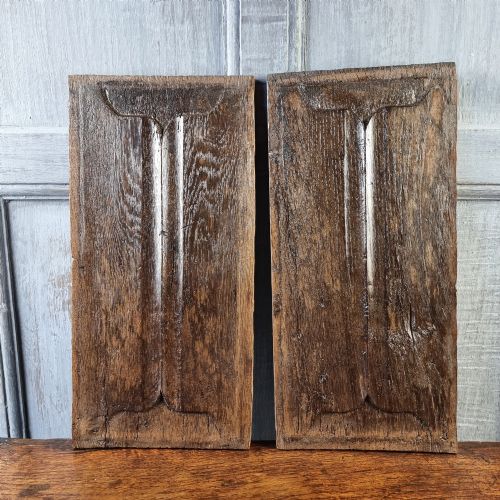
Gothic architectural wood carving encompasses panels, fragments, and structural elements salvaged from buildings across several centuries. A buyer searching this phrase encounters linenfold panels, ceiling bosses, and tracery alongside later revival items.
The material is predominantly oak, supplemented by pine, fruitwood, and occasional rosewood. Pieces range from pre-sixteenth-century fragments to nineteenth-century revival items created in the Gothic taste.
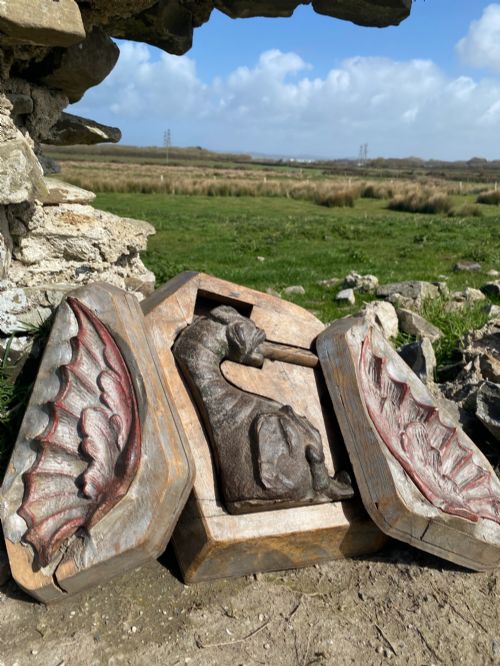
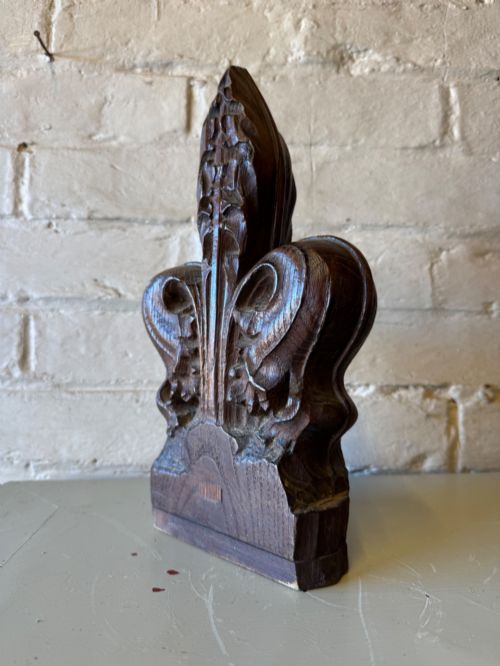
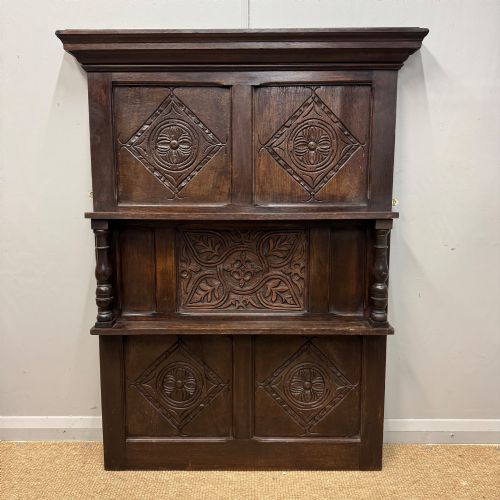
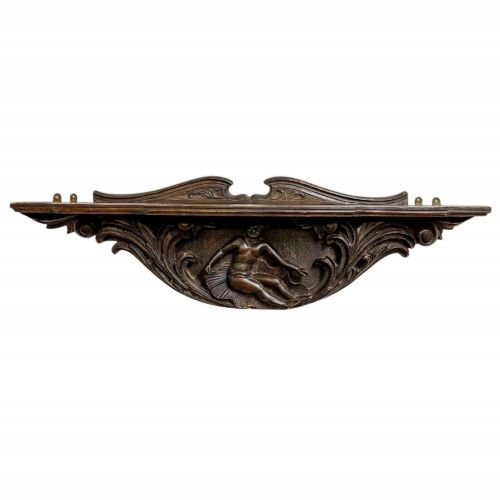
Forms vary widely from ecclesiastical church tracery and poppy heads to overmantels, wall masks, and bed posts. Seventeenth-century and eighteenth-century examples sit alongside Victorian interpretations.
Materials and construction methods
Oak serves as the primary timber, hewn and shaped by hand using chisels and gouges to create deep relief. Pine and fruitwood appear in specific decorative elements, worked with similar traditional hand tools.
Joinery methods rely on pegged mortise and tenon joints for structural fragments, while panels are tongue-and-grooved into frames. Surface treatments include plain aged timber, gesso, and occasional gilding.
Gothic Architectural Wood Carving Retail Price Guide 2026
Typical asking prices for gothic architectural wood carving among the pieces listed under this phrase on Sellingantiques today, from the lower quarter to the upper quarter. They describe what is for sale here now, not the wider market.
The selection spans from pre-sixteenth-century medieval fragments up to nineteenth-century Gothic Revival items.
Assessing quality in carved woodwork
The sharpness and depth of the chisel work distinguish superior carvings from simpler production pieces. Crisp undercut details on foliage, figures, and tracery indicate a skilled hand at the bench.
The integrity of the timber and the proportion of original material dictate the standing of a piece. Original surface patination accumulated over centuries carries more authority than stripped or heavily restored wood.
Luigi Frullini
The Gothic Architectural Wood Carving Glossary
- Linenfold
- A style of wood panel carving resembling folded parchment or linen. It is most commonly found on sixteenth-century panels.
- Tracery
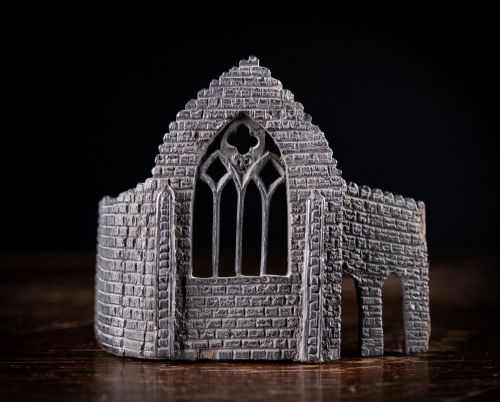
- The stonework or timber framework supporting glass in a Gothic window, adapted here for decorative wood panels. It defines ecclesiastical joinery.
- Poppy head
- An ornamental carving forming the top of a bench end, often shaped like a leaf, flower, or figure. These appear frequently in church seating.
- Ceiling boss
- A decorative projection at the intersection of ribs in a ceiling vault. They frequently take the form of carved oak roses or leaves.
- Parchemin
- A panel carving style imitating parchment folds, related closely to linenfold designs. It creates a textured surface on sixteenth and seventeenth-century woodwork.
Gothic Architectural Wood Carving: Frequently Asked Questions
How do I date an old wood carving?
Dating relies on tool marks, joint construction, and the timber species used. Earlier pieces often show adze marks and pegged joinery.
Style also provides clear clues, as sixteenth-century linenfold differs substantially from nineteenth-century Gothic Revival interpretations.
Where should I place architectural panels?
Wall panels and fragments mount directly onto plaster surfaces as focal points in a room. Ensure they hang away from direct heat sources.
Larger overmantels and brackets integrate into existing interior architecture to add depth and historical character.
How do I clean antique carved wood?
Dust gently with a soft, dry brush to remove particles from deep recesses. Avoid water and modern chemical polishes completely.
Applying a traditional beeswax sparingly helps nourish dry oak and maintains the natural surface patina accumulated over centuries.
Are these pieces from churches or houses?
The inventory includes items from both domestic and ecclesiastical buildings. Church tracery and poppy heads originate from religious settings.
Overdoor pediments, pier panels, and wall masks typically belonged to substantial secular homes influenced by Gothic architecture.