





Gothic Architectural Panels
These gothic architectural panels bring centuries of ecclesiastical craftsmanship and stone tracery into domestic spaces.
Gothic Architectural Panels
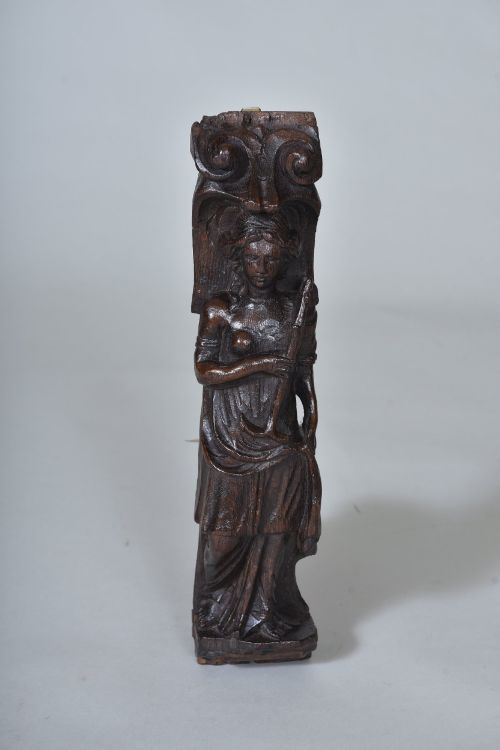
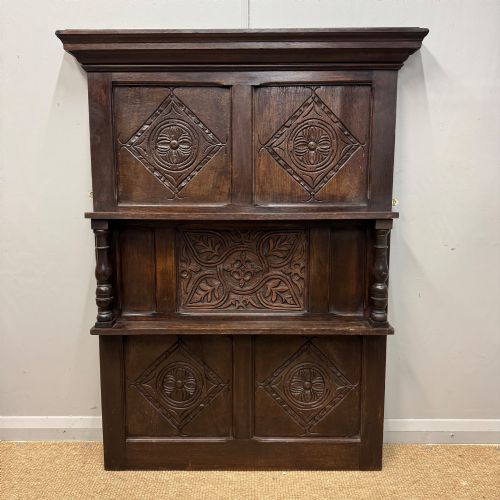
When you search for gothic architectural panels, you are looking at fragments and complete components salvaged from ecclesiastical buildings, grand houses and secular structures spanning multiple centuries. The selection here leans heavily towards 19th-century revival pieces alongside genuine early items from the 16th and 17th centuries, encompassing wall panels, overmantels and window fragments.
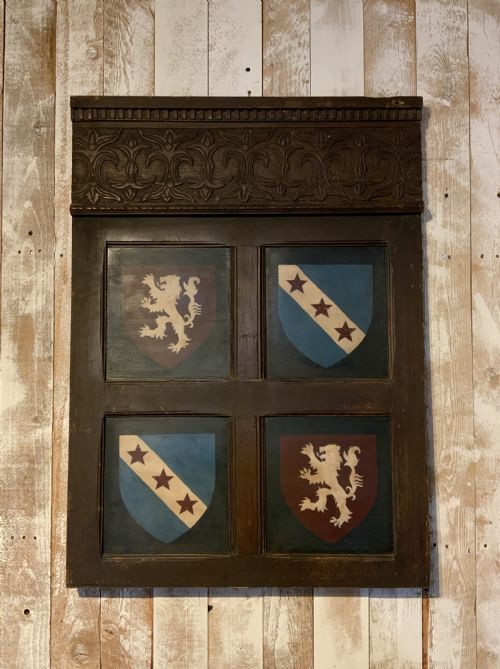
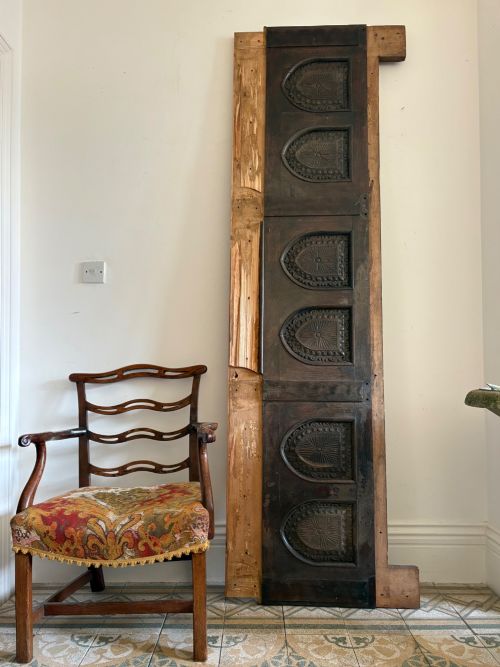
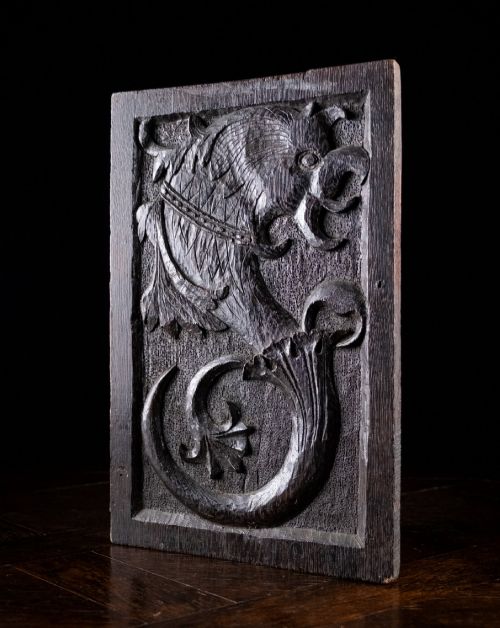
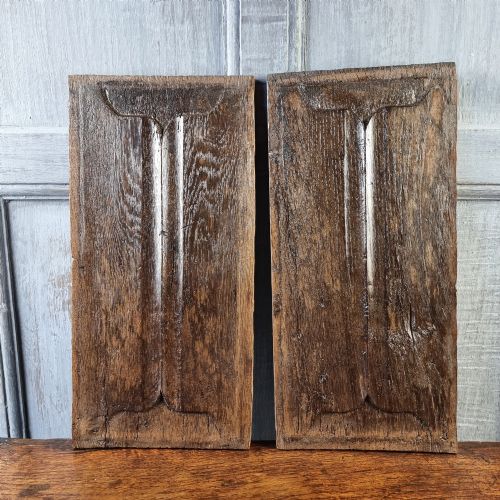
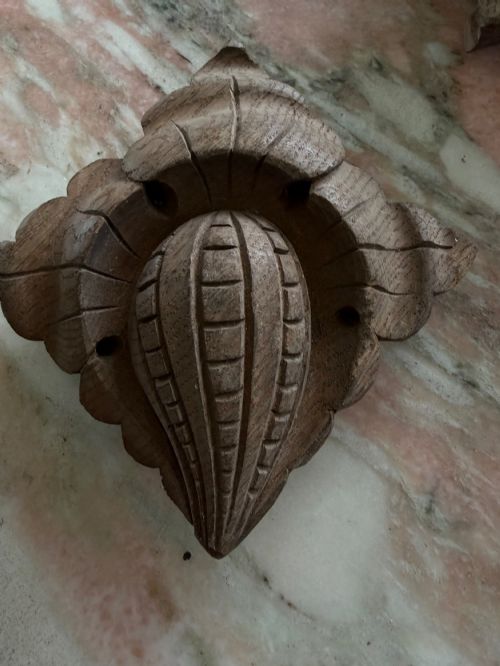
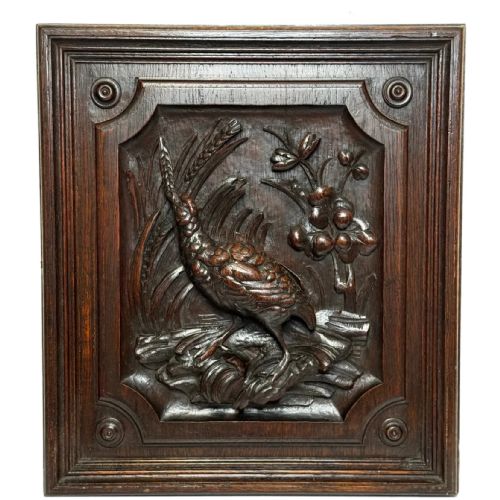
The forms vary from carved oak linenfold and parchemin panels to stained glass windows and stone carvings depicting religious scenes, heraldry and grotesque figures like the Green Man. You will encounter architectural salvage designed for walls, ceilings, and vestibule screens, reflecting both medieval structural elements and later Victorian interpretations.
Origins stretch from pre-16th-century monastic work up to Edwardian ironwork, demonstrating a continuous fascination with Gothic design across different eras. Oak dominates the wooden items, while sandstone, limestone and leaded glass represent the structural masonry and fenestration.
Materials and Technique
Makers utilised dense timbers like oak and pine, shaping them with gouges and chisels to create deep relief carvings of tracery, foliage, and figurative motifs. Wood panels often employed traditional joinery such as framing and paneling, allowing the timber to expand and contract naturally within its setting.
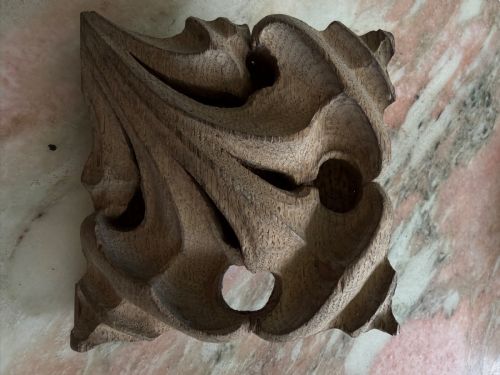
Stonemasons worked in sandstone and limestone, chiselling intricate architectural details and sculptural fragments like ceiling bosses and figurative reliefs. Glass panels combined coloured and painted glass held together by lead cames, fired in kilns to achieve permanent surface detail for ecclesiastical windows.
Gothic Architectural Panels Retail Price Guide 2026
Typical asking prices for gothic architectural panels among the pieces listed under this phrase on Sellingantiques today, from the lower quarter to the upper quarter. They describe what is for sale here now, not the wider market.
Keep an eye out for concentric circle apotropaic witch marks and scorch marks left on 15th-century oak panels to ward off evil.
The Measure of Quality
Age and original context also dictate standing, with medieval or early sixteenth-century fragments carrying greater historical weight than later nineteenth-century revival interpretations. The integrity of the material, whether surviving leadwork in glass or untouched timber surfaces, marks the distinction between ordinary salvage and exceptional historical fragments.
Sir Edward Burne Jones·Joseph Murray Ince
The Gothic Architectural Panels Glossary
- Linenfold
- A style of wood carving that imitates folded linen, commonly seen on panels from the Tudor and medieval periods.
- Tracery
- The stonework or woodwork supporting glass in a Gothic window, featuring pointed arches and geometric patterns.
- Ceiling Boss
- A decorative projecting block of wood or stone placed at the intersection of ribs in a vaulted ceiling.
- Apotropaic Mark
- A scratch or burn symbol carved into wood to ward off evil spirits and witchcraft.
- Parchemin
- A low-relief panel decoration resembling parchment or rolled paper, popular in late medieval joinery.
Gothic Architectural Panels: Frequently Asked Questions
What are gothic architectural panels?
These pieces are salvaged components from churches, abbeys, and historic buildings, including carved wooden panels, stone fragments, and stained glass windows.
They represent centuries of design, spanning from medieval monastic work through to the Victorian Gothic Revival movement.
How were gothic panels used originally?
In historic buildings, they functioned as wall cladding, overmantels above fireplaces, ceiling bosses, and entrance screens.
Stained glass and carved stone elements served as structural and decorative window tracery or exterior reliefs for ecclesiastical architecture.
How do I hang a heavy wooden panel?
Due to the weight of dense timbers like oak and pine, these panels require robust wall fixings anchored directly into structural studs or masonry.
Professional mounting brackets or hidden French cleats distribute the load safely across the back of the piece.
How can I tell the age of a panel?
Age is determined by tool marks, timber shrinkage, joinery methods, and stylistic cues specific to periods like the Tudor era or the 19th-century revival.
Early pieces often show hand-split boards and adze marks, while later revival works display more uniform machine sawing.