



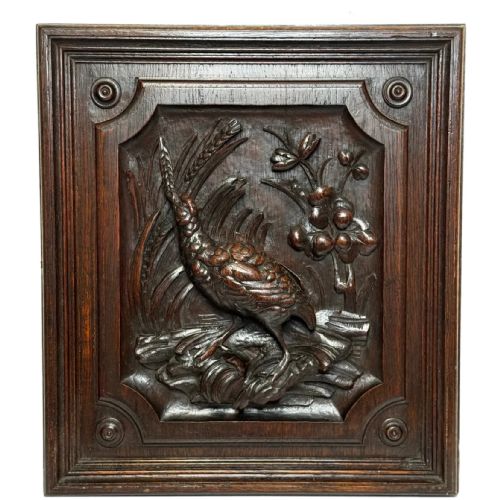


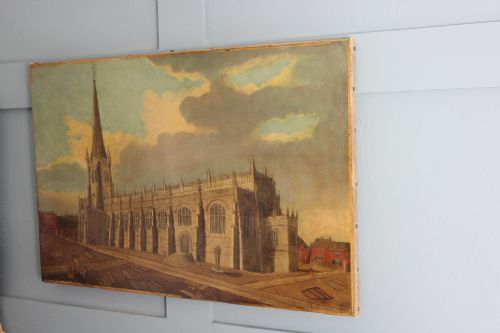

Gothic Architectural Art
Gothic architectural art captures the enduring fascination with medieval ecclesiastical structures through detailed paintings, drawings, and salvaged timber and iron.
Gothic Architectural Art
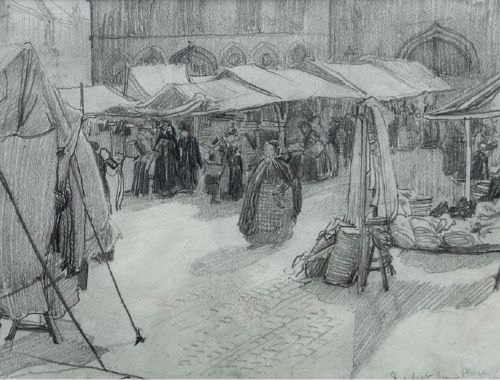
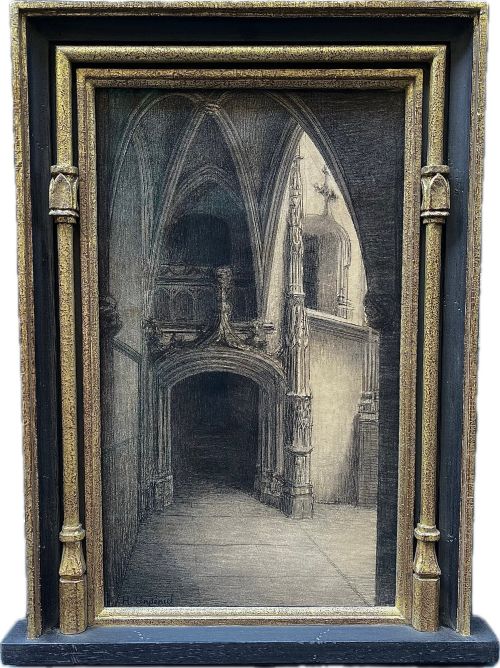
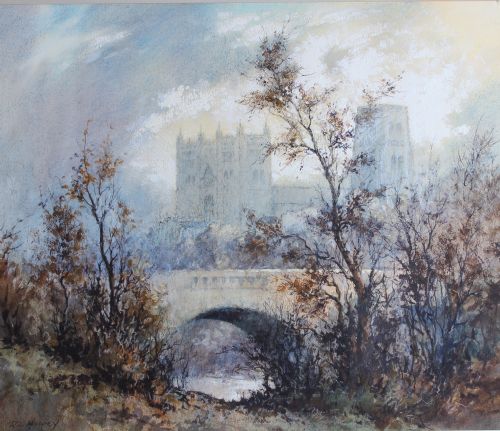
When you search for gothic architectural art, you encounter a diverse range of pieces focused on cathedrals, abbeys, and medieval buildings. The selection spans framed watercolours, oil paintings, pencil drawings, and engravings depicting notable British and European sites such as Durham, York, and Reims.
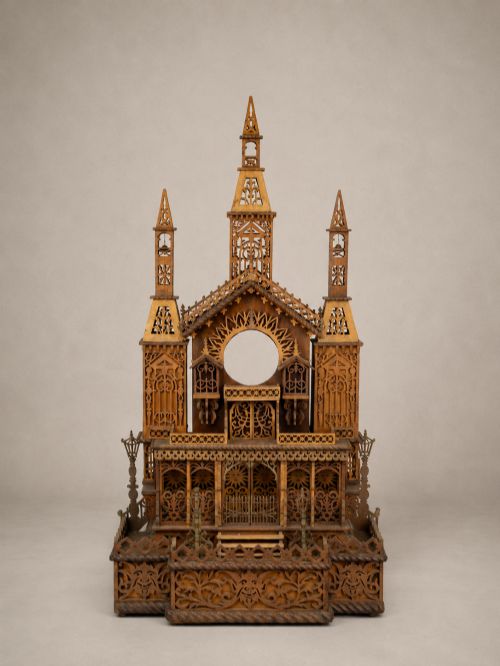
You also find physical remnants of these structures represented on this page through carved pine tracery panels, fretwork clock cases, and cast iron architectural salvage. These works cross multiple periods, originating primarily from the eighteenth, nineteenth, and early twentieth centuries under various revival styles.
Materials and techniques
The artworks rely on traditional graphic and painting media, utilising paper, ink, watercolour, and oil paint on canvas or panel. Artists applied these materials with precision to render intricate stone vaulting, pointed arches, and stained glass windows.
Three-dimensional pieces employ carved oak, pine, and tiger oak alongside heavy cast iron and gold leaf accents. These physical components reflect traditional carpentry and metalwork techniques tailored for ecclesiastical interiors and furnishing.
Gothic Architectural Art Retail Price Guide 2026
Typical asking prices for gothic architectural art among the pieces listed under this phrase on Sellingantiques today, from the lower quarter to the upper quarter. They describe what is for sale here now, not the wider market.
Listings feature paper, wood, glass, and oak alongside media such as oil paint, watercolour, ink, and gold leaf.
Assessing quality and execution
Quality in these works rests upon the draughtsmanship and the accuracy of architectural perspective. Stronger pieces demonstrate a confident handling of complex stone geometry and atmospheric light within sacred spaces.
In carved timber and metal salvage, quality reveals itself through the depth of relief, crispness of detail, and the preservation of original surfaces. Pieces with documented provenance or direct association with known draftsmen and painters hold greater distinction.
Karl Herrle·Henry Percy Huggill·Robert Leslie Howey·Fred Lawson·Tom Dudley·Frank Greenwood·Joseph Murray Ince
The Gothic Architectural Art Glossary
- Tracery
- The stonework supports in Gothic windows or decorative openwork patterns in wood panels. This ornamental element defines the geometric skeletal framework typical of ecclesiastical design.
- Engraving
- A printmaking technique where an image is incised into a metal plate with a cutting tool. The resulting lines hold ink to produce sharp architectural details on paper.
- Gothic Revival
- An architectural and artistic movement originating in the mid-eighteenth century that revived medieval forms. It heavily influenced nineteenth-century building, furnishings, and fine art.
- Ecclesiastical
- Relating to the Christian Church or its clergy. Items described thus were usually created for or inspired by cathedral and church environments.
Gothic Architectural Art: Frequently Asked Questions
What subjects appear in these artworks?
The works primarily depict European cathedrals, abbeys, churches, and historic academic halls. Artists focused on capturing the intricate stonework, stained glass, and soaring interiors of medieval architecture.
Specific subjects range from detailed interior studies of York and Durham cathedrals to exterior views of ruined abbeys and continental townscapes.
How were architectural panels used?
Carved wooden panels and cast iron elements originated as structural or decorative components within ecclesiastical buildings. They formed parts of screens, wall decorations, or furnishings.
Today, collectors acquire these salvaged pieces as wall art or decorative interior fragments that display historic craftsmanship.
How do I date a piece?
Dating relies on the recorded period of the artwork, artist signatures, framing styles, and the medium utilised. Nineteenth-century works often feature detailed topographical precision, whereas earlier engravings reflect eighteenth-century documentation methods.
Examine signatures, inscriptions on the reverse, and the natural ageing of paper, wood, or paint to establish the era of creation.
How should I display these pieces?
Framed watercolours and ink drawings require protection from direct sunlight to preserve the integrity of the paper and pigments. Positioning them in controlled indoor lighting ensures long-term preservation.
Wooden carvings and metal panels suit display on neutral walls where their texture and relief can be appreciated without competing decoration.