




Gothic Arch Glass Cabinet
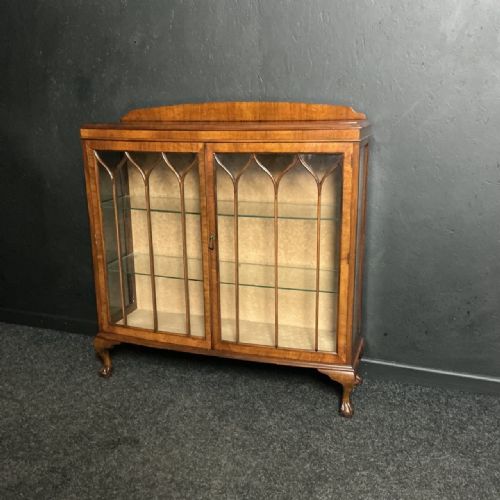
These gothic arch glass cabinet pieces combine timber frames with pointed window tracery, offering a practical way to store books and display collections.
Gothic Arch Glass Cabinet
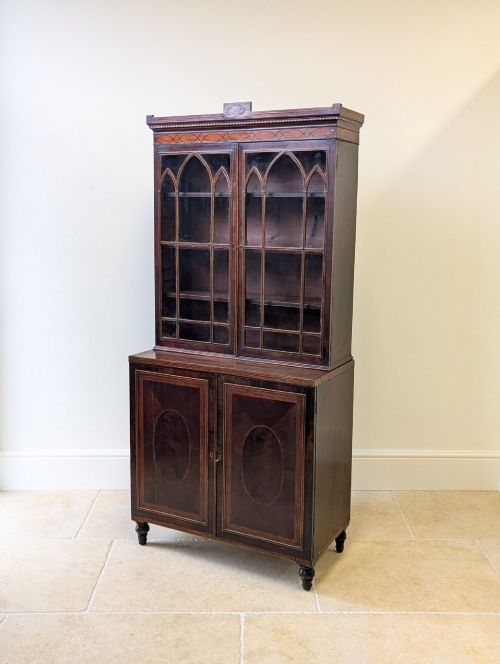
A gothic arch glass cabinet brings pointed architectural framing into domestic storage, primarily taking the form of bookcases, display cabinets, and library bookcases. You will most frequently encounter nineteenth-century mahogany pieces alongside occasional walnut, oak, and painted pine examples.
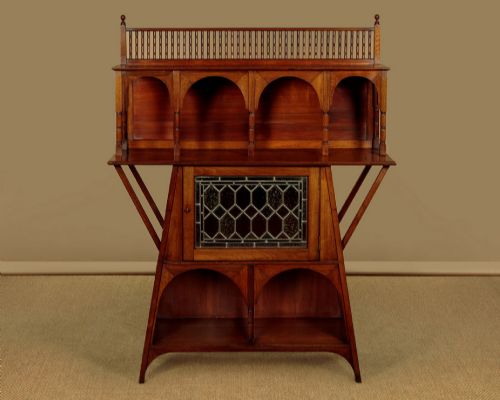
Makers adapted these architectural motifs across the Georgian, Victorian, and Edwardian eras, spanning styles from Georgian Revival and Victorian Gothic to Arts and Crafts. Pieces range from early nineteenth-century display cabinets to late Victorian glazed bookcases and country house cupboards.
The format serves dual purposes, functioning as a bookcase or a cabinet for treasured objects behind glass panels. Interiors often feature wooden shelving, sometimes complemented by fabric elements within the broader category of bookcases and cabinets.
Materials and construction
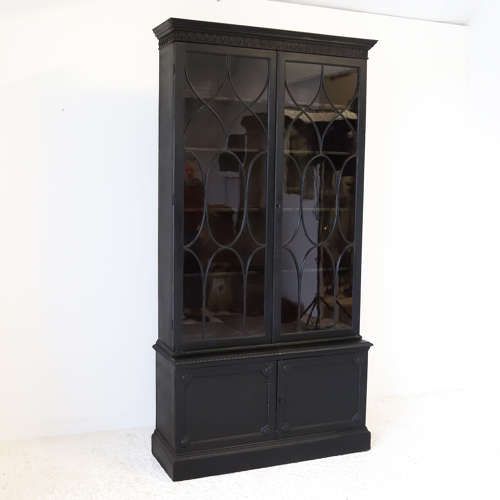
Cabinetmakers constructed the main bodies of these pieces using dense hardwoods such as mahogany and walnut, while employing oak, pine, and painted wood for utility furniture like kitchen dressers and country house bookcases. Timber choice directly governed both the structural weight and the finish of each piece.
Glazing techniques required fitting glass panes within timber frames or securing them with lead came to form the characteristic pointed arch windows. Metal fittings such as brass hardware provided functional support for doors and drawers across the various periods.
Gothic Arch Glass Cabinet Retail Price Guide 2026
Typical asking prices for gothic arch glass cabinet among the pieces listed under this phrase on Sellingantiques today, from the lower quarter to the upper quarter. They describe what is for sale here now, not the wider market.
One cheerful country house piece arrives finished in scrumbled painted pine, proving that medieval arches were not strictly reserved for grand mahogany libraries.
Assessing quality in construction and design
Quality reveals itself in the precision of the timber joinery and the sharpness of the architectural tracery forming the gothic arches. Finer cabinets display careful timber selection, particularly in matched mahogany or walnut veneers.
The refinement of internal shelving, original brass hardware, and well-fitted glass doors distinguish standard utility pieces from high-status library bookcases and bespoke retailer commissions.
Liberty & Co.
The Gothic Arch Glass Cabinet Glossary
- Gothic Revival
- An architectural and decorative style reviving medieval pointed arches and vertical lines. It dominated nineteenth-century cabinetmaking.
- Glazed
- Fitted with glass panes rather than solid timber panels. This allows contents to be viewed while protected from dust.
- Tracery
- Openwork stonework or timber framing forming geometric patterns in the upper parts of windows. In cabinets, it defines the gothic arch profile.
- Bookcase
- A piece of furniture with horizontal shelves for holding books. Many examples on this site combine this function with glass display doors.
Gothic Arch Glass Cabinet: Frequently Asked Questions
What periods do these cabinets come from?
The pieces span from the Georgian era through the Victorian period up to around nineteen hundred. You will find items dated across the nineteenth century and into the early twentieth century.
Cabinetmakers of different eras reinterpreted medieval architectural motifs to suit contemporary domestic interiors, producing variations from formal library bookcases to Arts and Crafts side cabinets.
How are these cabinets typically used?
These pieces serve primarily as bookcases, display cabinets, or combined library furniture for storing volumes and showing off collections. The glass doors protect items from dust while keeping them visible.
Larger library bookcases suit formal reception rooms, whereas smaller side cabinets or painted pine pieces fit more modest domestic settings.
What woods were used to make them?
Mahogany and walnut form the primary timbers for formal nineteenth-century pieces, offering deep colour and smooth grain. Oak and painted pine also appear in country house and utility furniture.
Secondary materials include brass for hardware and lead used in securing window glass.
How do I distinguish different styles?
Styles range from formal Georgian and Victorian Gothic Revival to the cleaner lines of Arts and Crafts pieces. Examining the timber finish, hardware style, and complexity of the arch tracery helps determine the period.
Records show pieces bearing specific retail attribution alongside vernacular country house furniture, reflecting diverse manufacturing backgrounds.