





Gold Winding Key
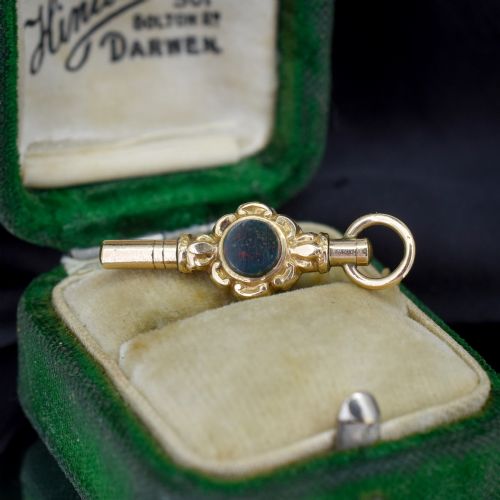
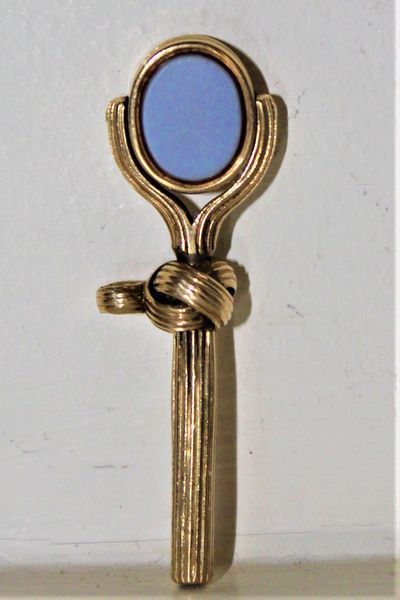
These gold winding key pieces are pocket watch and clock accessories that wind mechanical movements and double as charms.
Gold Winding Key
When you search for a gold winding key, you are looking at functional mechanisms designed to wind pocket watches and clocks. The versions you meet most often on this page span the Victorian and Georgian periods, alongside pieces from nineteen hundred.
The objects take the form of pocket watch keys, fob pendants, and charms fashioned from precious metals and inset stones. They connect horology with personal adornment, bridging the gap between utilitarian tools and wearable jewellery.
How they were made
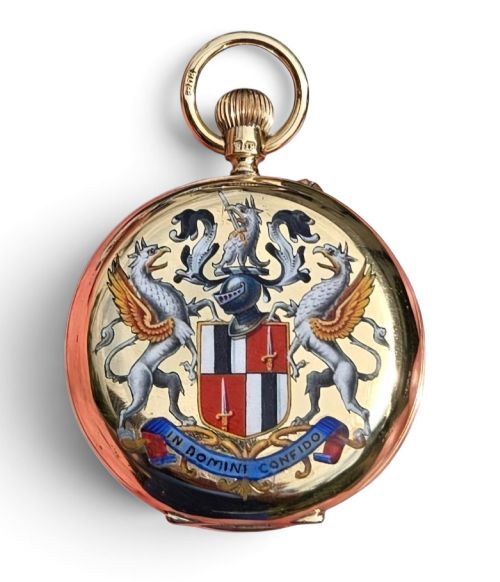
Maker construction relies on metals such as gold cased metal, brass, gilt brass, and eighteen-karat gold, shaped to engage delicate winding squares. Enamel and vitreous enamel add colour and pattern to the surfaces of the metal.
Stones like agate are cut and polished to form decorative inlays on fob pendants and charms. Traditional techniques unite metalworking lapidary craft to produce durable, ornamental horological accessories.
Gold Winding Key Retail Price Guide 2026
Typical asking prices for gold winding key among the pieces listed under this phrase on Sellingantiques today, from the lower quarter to the upper quarter. They describe what is for sale here now, not the wider market.
Some keys double as charms, allowing a Victorian timekeeper to wind his watch with a polished piece of agate.
What varies in quality
Quality rests upon the purity of the metal and the precision of the handwork applied to the suspension loop and the pipe. Higher grade examples utilise solid eighteen-karat gold or finely carved agate rather than plated or cased alternatives.
The integration of decorative enamel and the crispness of any engraved detail distinguish superior specimens. Well-preserved pieces retain clean edges on the winding aperture and unblemished stone inlays.
The Gold Winding Key Glossary
- Fusee
- A conical pulley used in older watch and clock movements to equalise the power of the mainspring as it unwinds. This mechanical device ensures more accurate timekeeping throughout the power reserve.
- Verge
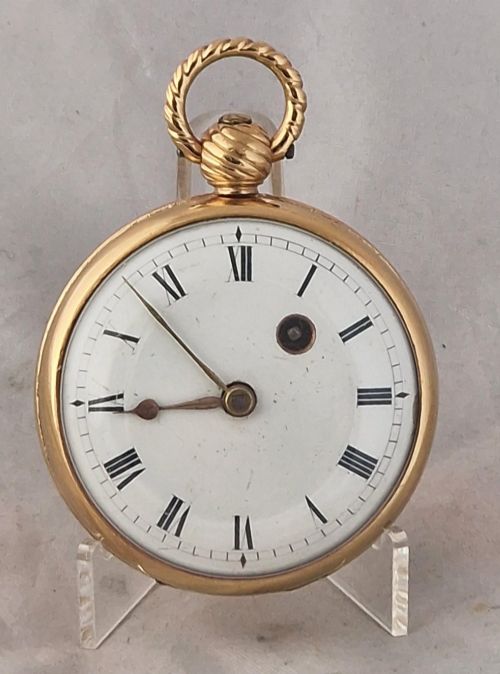
- An early type of escapement mechanism found in antique pocket watches and clocks. It regulates the release of power from the gear train using a crown wheel and a vertical axis.
- Fob
- A short chain, ribbon, or pendant attached to a pocket watch for pulling it from a pocket. These items often doubled as decorative charms.
- Vitreous enamel
- Glass powder fused to a metal substrate through high-temperature firing. This technique provides a durable and glossy coloured finish.
- Agate
- A cryptocrystalline variety of silica used for ornamental inlays. Its natural banding creates varied patterns within jewellery and watch keys.
Gold Winding Key: Frequently Asked Questions
What is a gold winding key used for?
These keys serve to manually wind the mainspring of mechanical pocket watches and small clocks. They fit onto the winding square of the movement to tension the spring.
Beyond their practical function, many examples were worn on chains as decorative fobs or pendants alongside pocket watches.
How do I date a gold winding key?
Dating relies upon stylistic markers, material composition, and the specific form of the suspension loop and pipe. Victorian and Georgian pieces often display specific decorative motifs and stone inlays typical of those eras.
Comparing the manufacturing technique and hallmarks, where present, helps narrow down the period of production.
Are these keys made of solid gold?
Materials vary across the selection, ranging from solid eighteen-karat gold to gold cased metal and gilt brass over a base metal core. Each piece utilises the technology and standard of its specific period.
Examining the metal weight and surface wear reveals whether the piece is solid or layered.
How should I display or wear a watch key?
These pieces suit attachment to a traditional pocket watch chain or display within a cabinet alongside horological items. Their small scale makes them versatile for collection displays.
Care should be taken to protect any inset agate or enamel surfaces from impact during handling.