




Gold Teardrop Pendant Earrings
Gold teardrop pendant earrings combine historic craftsmanship with classic gemstone drops, offering versatile elegance for any collection.
Gold Teardrop Pendant Earrings
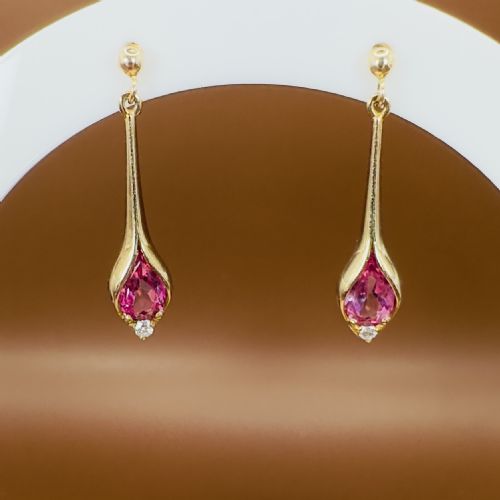
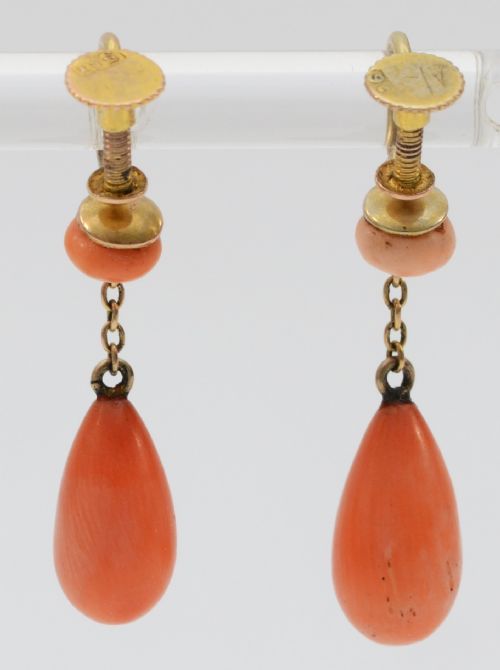
Gold teardrop pendant earrings encompass drop and dangling jewellery pieces featuring distinctive pear-shaped or teardrop silhouettes. When exploring gold teardrop pendant earrings, buyers encounter a diverse selection spanning the Georgian, Victorian, Edwardian, and mid-century modern periods.
The assortment includes configurations featuring faceted gemstones like pink topaz, blue topaz, citrine, garnet, and amethyst, alongside shell cameos, coral, jadeite, and pearls. Examples range from day-to-night Victorian conversions to Chinese export designs and diamond-set antique pairs.
Victorian and Edwardian iterations frequently utilise rich yellow gold settings paired with intricate ornamentation, whilst pieces from the nineteen-fifties tend towards clean lines and faceted stones. Each pair demonstrates the enduring appeal of drop earrings shaped like natural teardrops.
How they were made
Maker construction relies heavily upon nine-carat gold, fifteen-carat rose gold, and silver settings carefully worked into drop and pendant configurations. Jewellers utilised traditional techniques to mount gemstones securely within closed or open-backed metalwork.
Gemstone selection dictates the visual weight of the piece, with faceted pear-cut stones reflecting light whilst cabochons such as opal, jadeite, and tortoiseshell offer smooth, tactile surfaces. Artisans incorporated hinged lever backs, studs, and chain links to create movement in the drop designs.
Listings feature nine-carat gold alongside rarer fifteen-carat rose gold, incorporating materials from diamonds and amethysts to tortoiseshell and jadeite.
What varies in quality
Quality within these earrings is defined by the precision of the gemstone cutting and the integrity of the gold or silver mountings. Finer specimens display well-matched stones with vibrant colour saturation and secure, undamaged settings.
The sophistication of the metalwork distinguishes standard production from exceptional work, particularly in antique pieces where hand-carved shell cameos, pearls, and detailed filigree indicate superior craftsmanship. The balance and articulation of the pendant drop also influence the overall standard.
The Gold Teardrop Pendant Earrings Glossary
- Teardrop
- A pear-shaped design motif used for stones and metal drops that tapers to a point at one end.
- Day-to-night earrings
- Convertible jewellery featuring removable drop sections designed to transition from daytime simpler studs to elaborate evening wear.
- Paste
- Faceted glass or lead crystal hand-cut and polished to imitate gemstones in historic jewellery.
- Cameo
- A method of carving a relief image upon layered materials such as shell or stone.
- Rose gold
- A gold and copper alloy creating a warm, reddish tint popular in Georgian and Victorian pieces.
Gold Teardrop Pendant Earrings: Frequently Asked Questions
How do I date my gold teardrop earrings?
Dating relies upon examining the metal purity marks, fastening types, and the cut of any set gemstones. Georgian and Victorian examples often feature hand-wrought details and closed-backed settings.
Later pieces from the nineteen-fifties tend to utilise standardised lever backs or modern stud fittings alongside machine-faceted stones.
Are these earrings comfortable for daily wear?
Comfort depends upon the overall weight of the gold and the size of the gemstone pendants. Lighter configurations with secure posts or lever backs sit easily throughout the day.
Heavier historic drop earrings may require supportive backings or are better reserved for shorter occasions.
What is the difference between drop and pendant earrings?
Drop earrings generally hang slightly below the earlobe with a fixed or semi-articulated motif. Pendant earrings feature a distinct dangling element that swings freely from a stud or hook.
Both styles utilise the teardrop silhouette to create movement and draw the eye downwards.